

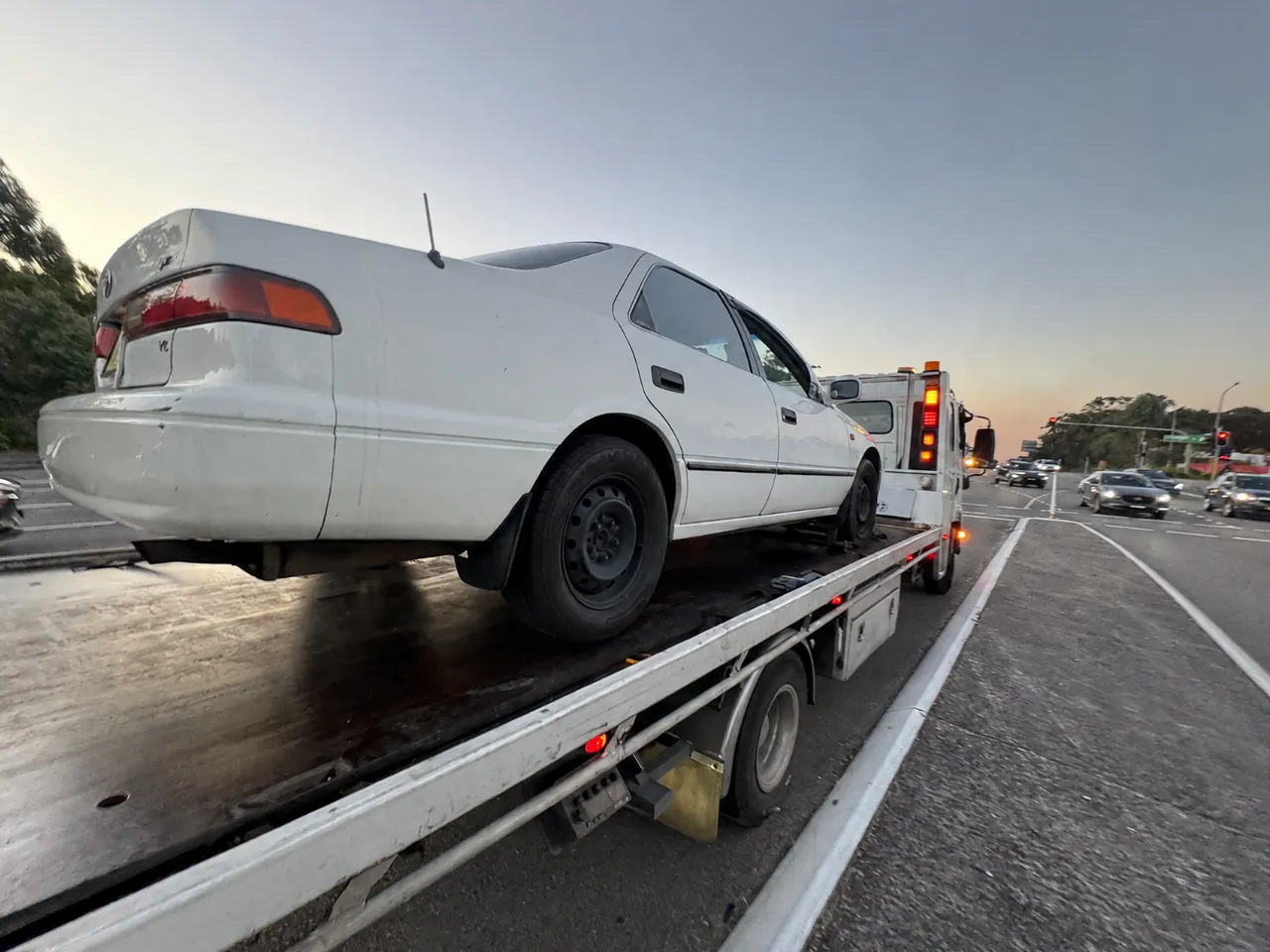
An overheating car should not be driven as it can cause serious damage within minutes and put your safety at risk. If the gauge in the car shows that the engine temperature has become too high, it’s a sign that something is seriously wrong and needs immediate attention. Pushing your vehicle further can turn a small issue into a major repair, leaving you stranded and facing costly damage.
At Quokka Towing, we assist with breakdowns like this every day. We know how quickly an overheating issue can escalate. In this guide, we’ll explain what to do if your car is overheating, the risks of continuing to drive, and when to call for help.
How to Handle an Overheating Car
- Driving an overheating car is unsafe and should be avoided
- Engine damage can happen in just minutes
- There is no safe answer to how far you can drive an overheating car
- Pull over immediately and turn off the engine
- Temporary fixes are only short-term and risky
- Calling a tow truck is the safest option
Why Do Cars Overheat?
If your car overheating issue happens suddenly, it’s usually linked to a problem in the cooling system or key engine components.
What Can Cause an Engine to Overheat?
- Low coolant levels or coolant leaks
- Radiator issues are blocking proper heat dissipation
- Faulty water pump preventing coolant circulation
- Thermostat failure is causing poor temperature regulation
- Cooling fan problems are reducing airflow through the radiator
- Worn or broken belts affecting engine operation
- Hot weather conditions are increasing engine strain
- Heavy loads or towing put extra pressure on the engine
- Stop-start traffic limits airflow and cooling efficiency
Signs Your Car Is Overheating
Recognising the early signs of an overheating car can prevent serious damage and keep you safe on the road.
| Indicator | What It Means |
|---|---|
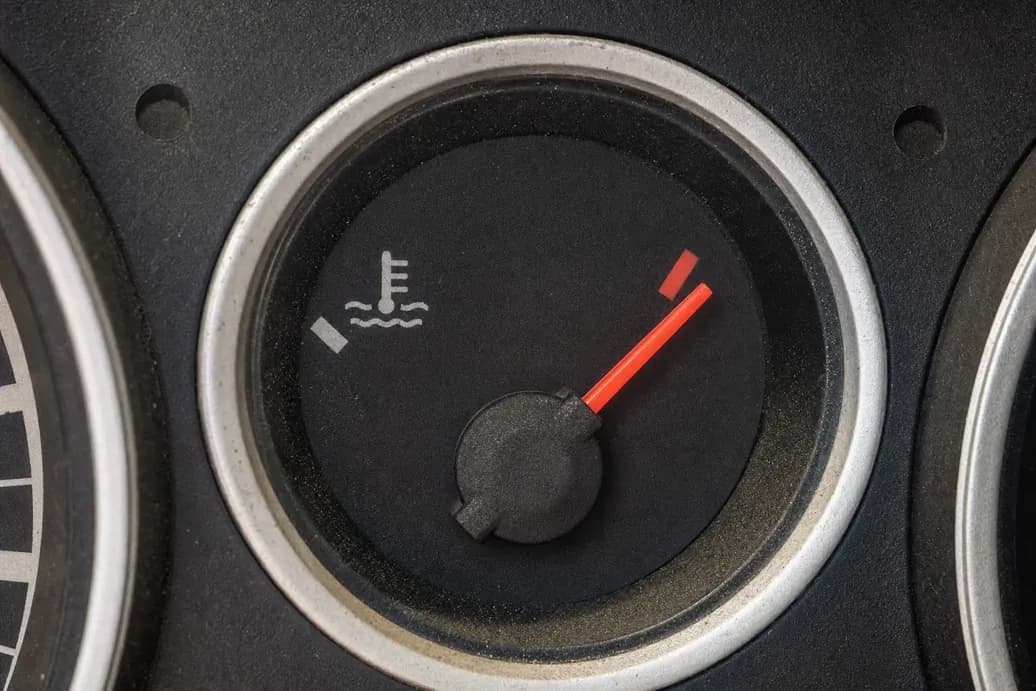
| The temperature gauge is in the warning zone | Engine temperature is dangerously high |
| Dashboard warning light | Cooling system issue detected |
| Steam from the bonnet | Coolant is boiling |
| Burning smell | Fluids overheating or leaking |
| Loss of power | The engine is struggling due to the heat |
Local Factors That Can Cause Overheating
In Perth and across Western Australia, local driving conditions can increase the risk of an overheating car. Even a well-maintained vehicle can struggle when external factors put extra stress on the engine.
Hot weather is one of the biggest causes. In Western Australia, summer temperatures can exceed 40°C, with extreme heat in inland Western Australia, according to the Bureau of Meteorology. Temperatures as high as this can reduce the cooling system’s ability to manage engine heat, especially during long drives or when your vehicle is already under strain. Stop-start traffic in busy areas can also limit airflow through the radiator, making it harder for the engine to cool down.
Dust and debris from regional or off-road driving can also block airflow to the radiator. Over time, this reduces cooling efficiency and makes overheating more likely.
Can an Overheating Car Be Driven?
Driving an overheating car is not recommended under any circumstances. Even if your vehicle still seems to be running, the internal components of the engine may already be under extreme stress.
What Happens If You Keep Driving?
| Risk Type | Outcome |
|---|---|
| Engine damage | Blown head gasket, warped cylinder head |
| Mechanical failure | Cracked components, piston damage |
| Safety risks | Sudden breakdown, loss of power |
| Financial impact | Expensive repairs or full engine replacement |
These issues often lead to expensive repairs that could have been avoided by stopping the vehicle immediately. We’ve seen many situations where drivers pushed their vehicle just a little further, only to end up with far more damage than expected.
If Your Car Is Overheating
The first step is to pull over safely and turn off the engine immediately. This stops further heat build-up. You should then allow the engine to cool down completely before attempting to inspect anything.
Avoid opening the radiator cap while the engine is still hot, as this can cause serious burns. Once the engine has cooled, check coolant levels and look for visible leaks. If you’re unsure what to do when the car is overheating, it’s always safer to call for help.
When You Should Not Drive the Car at All
There are clear situations where driving an overheating car is too dangerous and should be avoided completely. If any of these are present, do not attempt to drive the vehicle.
- Continuous steam coming from the engine
- Rapid coolant leaks
- Persistent high temperature readings
- Unusual engine noises
Move the Car When Safe to Do So
In some situations, you may need to take short-term action to move your vehicle to a safer location. This should only be considered if the temperature has returned to normal, there are no visible leaks, and no warning lights remain. Even then, you should drive slowly, monitor the temperature constantly, and stop immediately if the issue returns.
Turning off the air conditioning can reduce strain on the engine, while turning on the heater can help draw heat away. If coolant levels are low, topping up with coolant or water may provide a temporary solution, but only once the engine has cooled. These steps may help briefly, but they do not fix the underlying issue. For further information on how to handle a car breakdown situation, read our article: What to Do When a Car Breakdown Happens.
Calling a Tow Truck Is the Safest Option
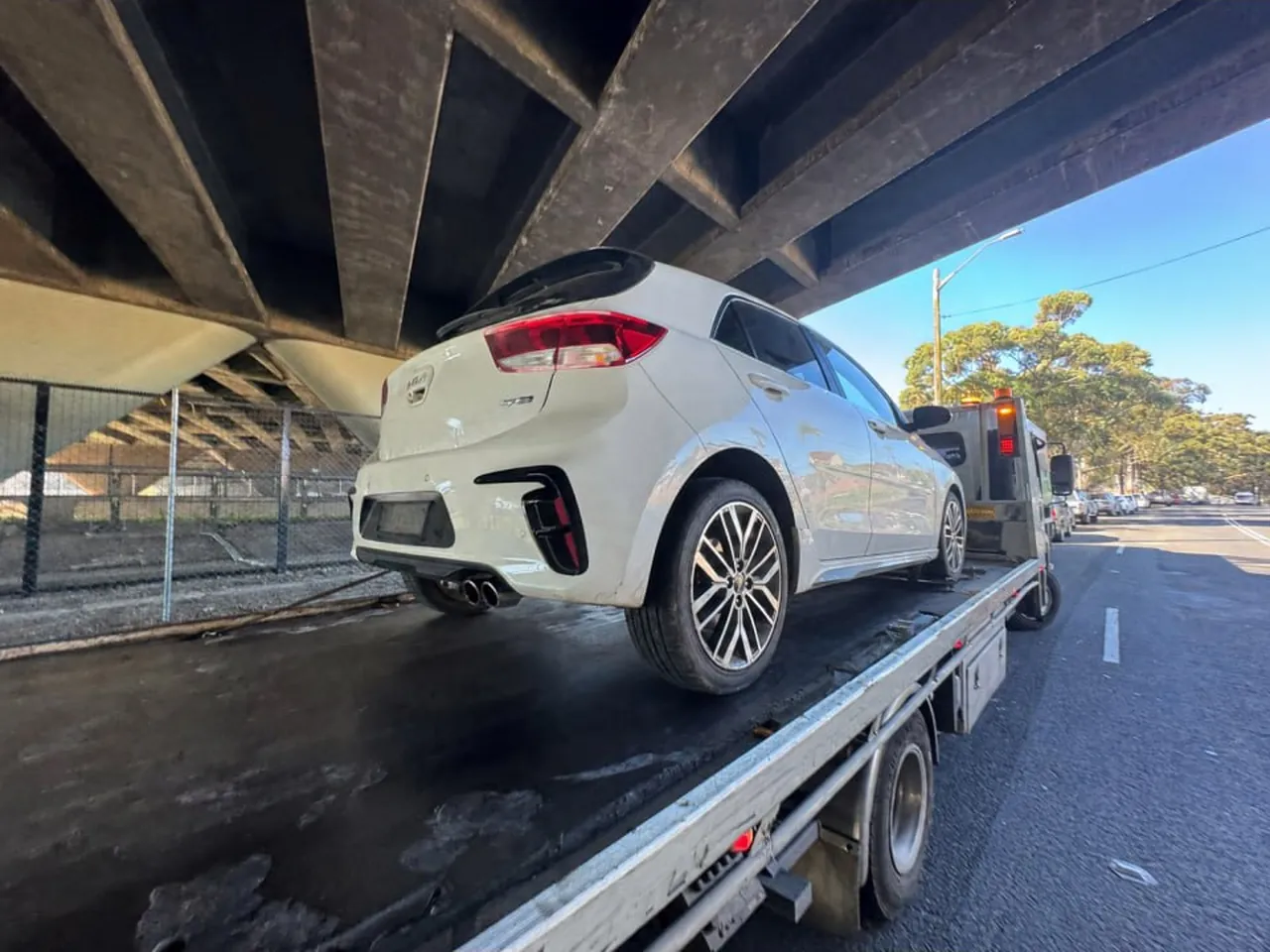
When dealing with an overheating car, towing is often the safest and most cost-effective solution. Trying to drive can make the problem worse. A professional towing service like Quokka Towing helps you avoid further damage and keeps you safe on the roadside.
Frequently Asked Questions
No. Driving an overheating car can quickly cause serious engine damage, including a blown head gasket or complete engine failure. It’s safest to pull over immediately and turn off the engine.
There is no safe distance or time. Some engines can suffer damage within minutes once the temperature reaches dangerous levels.
Pull over safely, turn off the engine, and allow it to cool down completely. Do not open the radiator cap while the engine is hot.
Yes. Low coolant is one of the most common causes of overheating because the cooling system cannot properly regulate engine temperature.
Only after the engine has completely cooled down. Adding water to a hot engine can be dangerous and may crack engine components due to rapid temperature changes.
Yes. Extreme temperatures in Perth and across Western Australia place extra stress on cooling systems, especially during long drives or towing.
Yes. Towing is the safest option because it prevents further engine damage and reduces the risk of breaking down in unsafe conditions.
Stay Safe and Don’t Risk It
Driving an overheating car is never worth the risk. Even a short trip can lead to serious engine damage, higher repair costs, and unsafe driving conditions. If your car seems to be overheating, the smartest decision is always to pull over and stop immediately.
Knowing what to do if your car is overheating can save you time, money, and stress. Let the engine cool, avoid risky temporary fixes, and don’t try to push your vehicle. When in doubt, choosing not to drive is always best.
Need help fast? Call us now for immediate towing assistance available 24/7.