

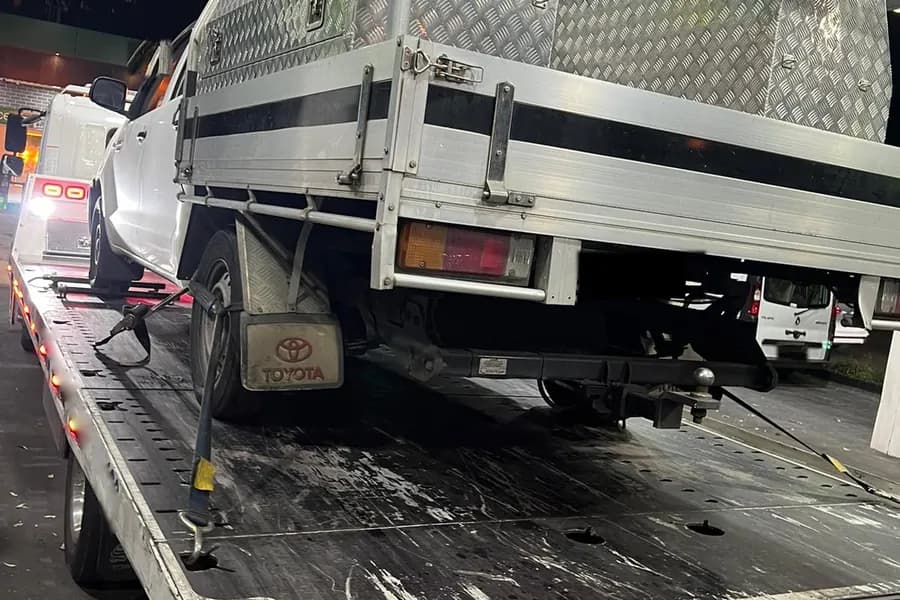
Car won’t start? In most cases, the problem is caused by a flat battery, starter motor issue, fuel system fault, or ignition problem. Some issues can be fixed quickly, while others require professional support.
This can happen anywhere, creating a stressful, inconvenient, and sometimes unsafe situation. Knowing the common reasons why your car won’t start can help you act quickly and avoid making the problem worse.
What to Check First
- A flat battery is the most common reason a car won’t start
- If your car clicks but won’t start, it’s often a battery or starter issue
- If your car cranks but won’t start, it’s usually fuel or ignition-related
- A faulty alternator can also cause your battery to not recharge
- An immobiliser or key issue can prevent modern cars from starting
- Some fixes are simple, but others require expert help
The Most Common Reasons Your Car Won’t Start
When your car won’t start, the cause is usually one of a few common mechanical or electrical problems. Understanding these early can help you narrow down the issue quickly and decide what to do next.
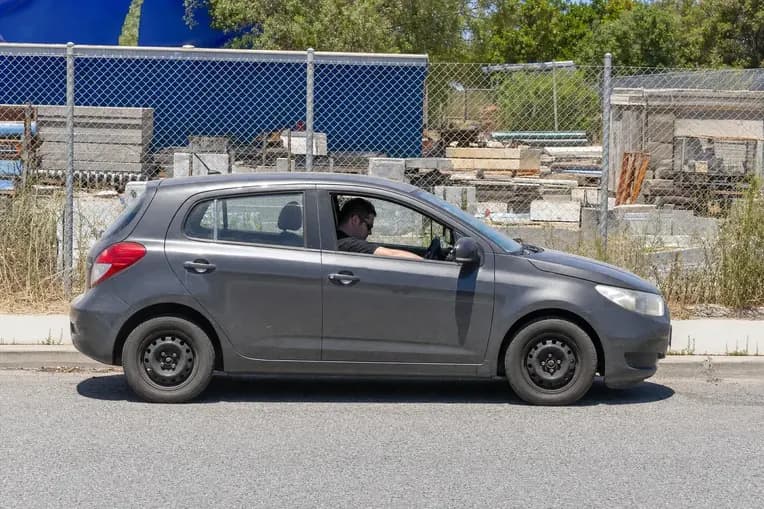
Battery Problems
A flat or faulty battery is the most common reason a car won’t start. Your battery provides the power needed to start the engine, and when it fails, the vehicle may not respond properly.
This is usually caused by:
- Leaving headlights or electronics on
- An ageing battery, which usually lasts 3 to 5 years
- Loose or corroded battery terminals
- Extreme heat or cold affecting performance
Signs your battery may be the issue:
- You hear a clicking sound when turning the key
- Dashboard lights are dim or not turning on
- The engine doesn’t crank at all
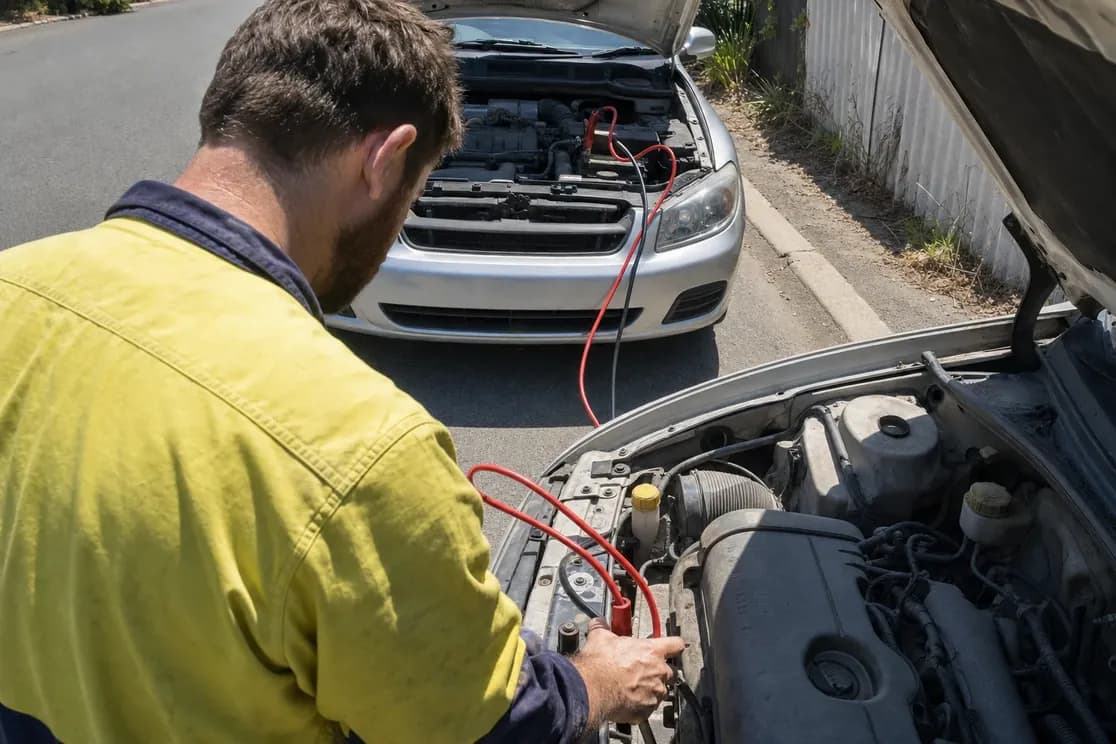
In some cases, a jump-start can get your car moving again. If the car won’t start again shortly after, the battery may need replacing.
Starter Motor Issues
If your car won’t start and you hear a single click or complete silence, the starter motor could be the problem. The starter motor turns the engine over during startup. If it fails, the engine won’t crank.
- A single clicking sound when turning the key
- No sound at all when attempting to start
- The lights and electronics work, but the engine doesn’t turn on
Starter motor problems usually require professional repair. Repeatedly trying to start the car can sometimes cause further damage.
Alternator Problems
Your alternator keeps the battery charged while the engine is running. If it fails, the battery slowly drains until your car won’t start.
- The car starts, then stalls shortly after
- Dim or flickering headlights
- The battery warning light appears on the dashboard
A common situation is when the car runs normally, then later won’t start at all. This can look like a battery problem, but the alternator may not be recharging the battery properly.
Fuel System Problems
If your car cranks but won’t start, the issue may be related to the fuel system. The engine needs a steady fuel supply to start and run.
- Empty fuel tank
- Faulty fuel pump
- Blocked or clogged fuel filter
Signs of a fuel system issue:
- The engine turns over but doesn’t start
- No sound from the fuel pump when turning the key
Ignition System Faults
Your ignition system allows the engine to fire up. It includes spark plugs, ignition coils, and the ignition switch. If one of these fails, your car may not start.
- The engine cranks but doesn’t start
- Rough starting or misfiring before the failure
- Loss of power leading up to the issue
Key or Vehicle Immobiliser Problems
Modern vehicles use electronic keys and immobiliser systems for security. If the system doesn’t recognise the key, the car may not start even if everything else is functioning normally.
- Dead key fob battery
- Faulty transponder chip
- Immobiliser system issues
Electrical or Wiring Issues
Electrical faults are another possible reason your car won’t start. These problems can be difficult to diagnose without the right tools.
- Blown fuses
- Faulty relays
- Damaged or loose wiring
Quick Diagnosis Table
| Symptom | Likely Cause | What It Means |
|---|---|---|
| No crank, no sound | Battery or electrical issue | No power reaching the engine |
| Clicking sound | Battery or starter motor | Not enough power to turn the engine |
| Car cranks but won’t start | Fuel or ignition issue | The engine turns but doesn’t fire |
| Starts then dies | Alternator or fuel issue | Power is not being sustained |
Frequently Asked Questions
If your battery is working, the issue may be the starter motor, fuel system, or ignition system. These can prevent the engine from firing even when power is available.
A clicking sound usually points to a weak battery or faulty starter motor. It means there isn’t enough power to turn the engine over.
Start with simple checks like battery connections and fuel level. If your car won’t start after that, it’s best to get professional assistance.
Repeated attempts can make the problem worse, especially if it’s a battery or starter issue. It’s better to stop and assess the situation.
What To Do Next
If your car won’t start, the cause is usually related to the battery, starter motor, fuel system, ignition system, or electrical faults. Basic checks may help identify the issue, but if the car still won’t start, it’s best to avoid guessing or forcing repeated start attempts.
Need help fast? Quokka Towing provides fast, reliable, and affordable towing services across Perth. We’re available 24/7 for breakdowns, roadside assistance, and safe vehicle transport. Call us now for immediate assistance.
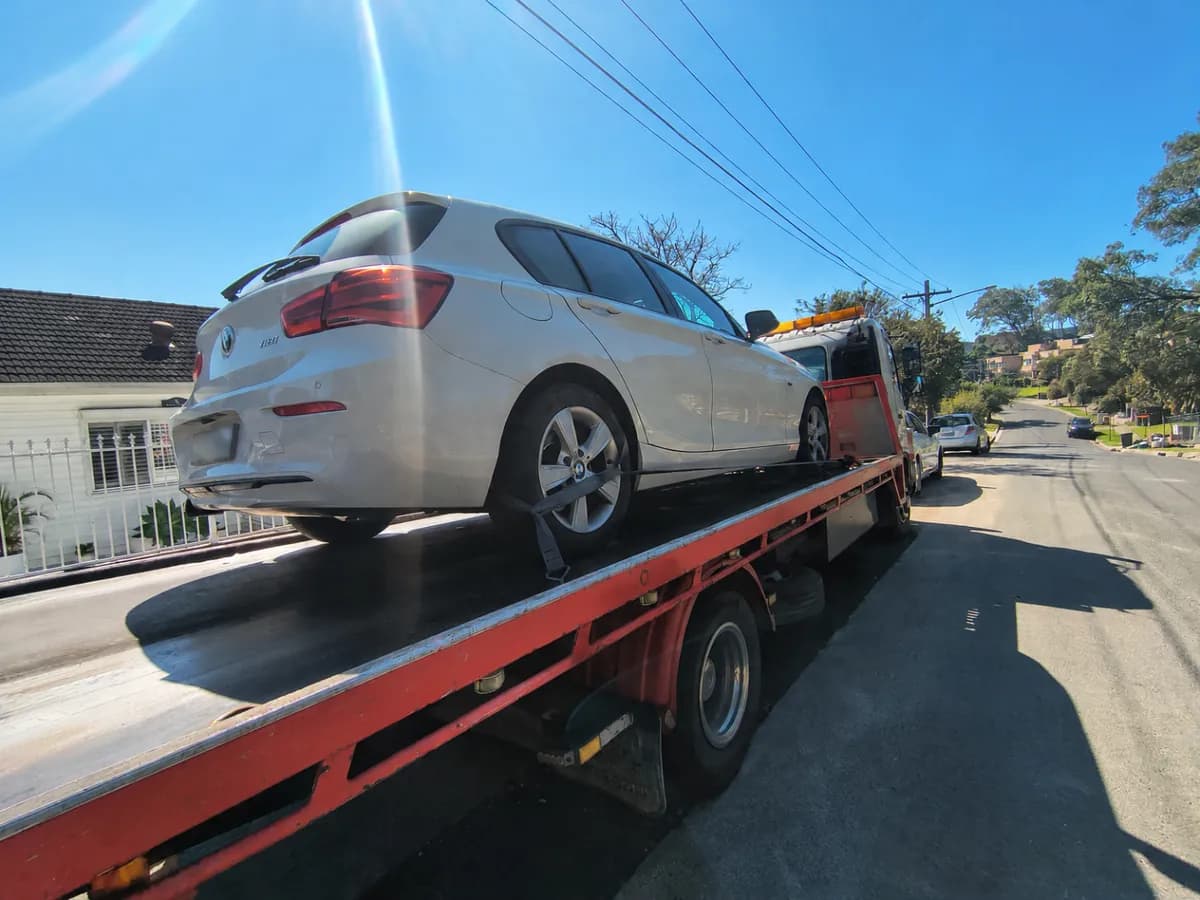
If you’re stranded roadside, here’s a helpful guide on what to do during a breakdown: What to Do When a Car Breakdown Happens.