

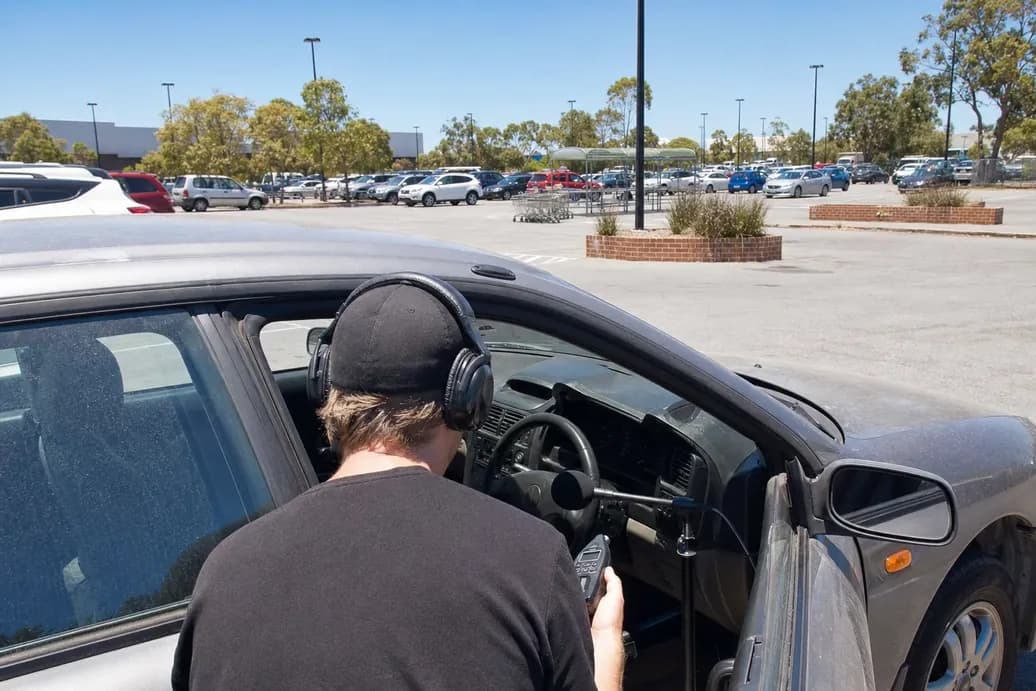
Car noises can be early warning signs of mechanical issues. They can range from minor wear and tear to serious faults that lead to breakdowns. Identifying these sounds early helps you stay safe, avoid costly repairs, and keep your vehicle running reliably. Car noises usually point to specific problems, such as worn brakes, loose belts, or deeper engine and transmission issues. Recognising these sounds early allows you to act before the problem becomes dangerous or expensive.
If your car is making unusual sounds, don’t ignore it. A car making a squeaking noise, a grinding noise when starting the car, or even a faint rattle can quickly turn into a bigger issue. These car noises, when driving, often appear before a breakdown happens.
Coming from our experience, below is a breakdown of common car noises, what they mean, and what you should do next.
Car Noise Summary
Understanding car noises early can help you avoid breakdowns and expensive repairs. Here’s a quick overview of what each sound usually means and how urgent it is.
- Squealing usually points to worn brakes or belts and is a medium-urgency issue.
- Grinding often indicates mechanical damage and should be treated as high urgency.
- Knocking can signal engine or suspension problems and is typically high urgency.
- Whining is commonly linked to transmission or bearing issues and is of medium urgency.
- Hissing may be caused by air or fluid leaks and ranges from medium to high urgency.
- Clicking is often related to CV joints or drivetrain issues and is of medium urgency.
Why Car Noises Should Never Be Ignored
Car noises can be considered as a vehicle’s early warning system. When something sounds off, it usually means a part is wearing out, loose, or about to fail. Transport WA highlights the importance of proper and regular maintenance for your safety and that of others.
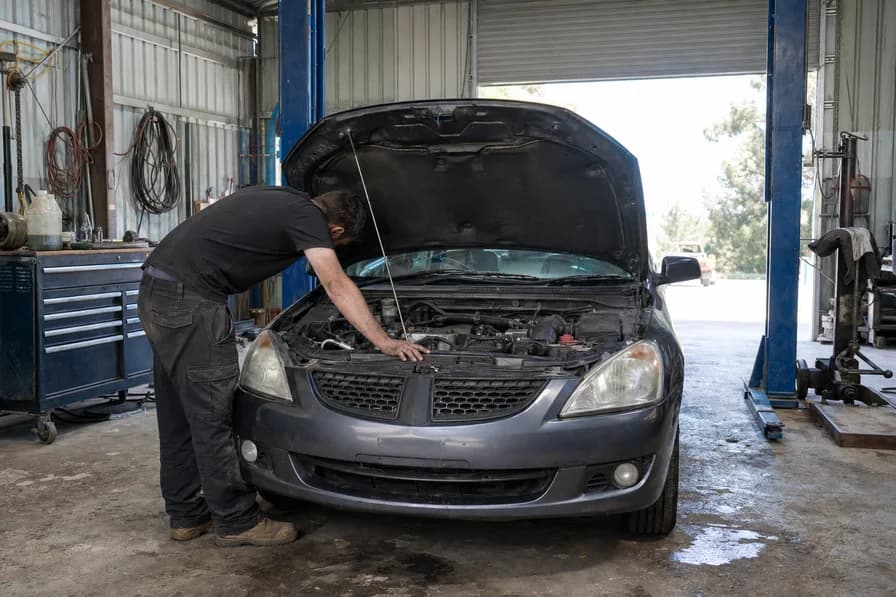
Small issues can escalate quickly. A minor noise today can turn into serious mechanical damage, unsafe driving conditions, or a car breakdown at the worst possible time. Fixing the issue early is almost always faster, safer, and more affordable.
If a noise starts when you’re on the road, and you’re unsure whether it’s safe to keep driving, it’s better to stop and get help. This reduces the risk of further damage and protects you and other road users.
Common Car Noises Explained
Strange car noises are often early warning signs that something isn’t right. If you’re unsure, it’s always safer to get your vehicle checked before the problem gets worse.
| Type of Noise | What it Sounds Like | Common Causes | What to Do |
|---|---|---|---|
| Squealing or Screeching Noises | A high-pitched squeal when braking or shortly after starting the vehicle. | Worn brake pads, glazed brakes, moisture on components, or a slipping belt. | If it keeps happening, get it checked early before it leads to further damage. |
| Grinding Noises | A harsh metal-on-metal sound. | Completely worn brake pads, debris in the braking system, moving components stopping, or transmission issues. | Stop driving immediately, if possible, and arrange an immediate inspection or towing. |
| Knocking or Popping Sounds | A repetitive knock from the engine or popping when turning. | Engine detonation, worn bearings, suspension faults, or joint wear. | Have it inspected as soon as possible for your safety. |
| Whining Noises | A high-pitched whine that changes with speed or acceleration. | Transmission issues, worn bearings, low power steering fluid, or differential problems. | If the sound increases while driving or turning, have it inspected early to prevent more serious damage. |
| Hissing Noises | A steady or short burst of air escaping, often from under the bonnet. | Coolant leaks, vacuum leaks, overheating engines, or a damaged radiator hose. | If you notice hissing along with steam or rising temperature, stop driving immediately and seek assistance. |
| Clicking Noises | A repetitive clicking or ticking noise, especially when turning or trying to start the engine. | Worn CV joints, low battery, starter motor issues, or loose components. | If the noise happens while turning, have your CV joints checked. If it occurs when starting, your battery or starter may need attention. |
Check out this video from Budget Mechanic to help you understand further any unusual noises from your vehicle:
Frequently Asked Questions
No, it’s not safe to drive with a grinding noise. This usually means metal parts are rubbing together, often due to completely worn brake pads or serious mechanical damage. Driving further can make the problem worse and lead to higher repair costs.
A squealing noise when starting your car is often caused by a worn or loose belt, especially the serpentine belt. It can also happen due to moisture or cold conditions, but if it continues, it should be checked.
As a general rule, grinding, knocking, and loud metal sounds are urgent and should be checked immediately. Squealing or whining may start as minor issues but can become serious if ignored.
If the noise is getting louder, happening more often, or affecting how the car drives, it’s best to stop and get help.
If you’re unsure whether it’s safe to keep driving, calling a tow truck is the safest option. This helps prevent further damage and reduces the risk of breaking down in a dangerous location.
Stay Safe, Act Early
Car noises are one of the earliest signs that something isn’t right. Each sound gives you a clear warning about your vehicle’s condition, whether it’s a minor issue or something more serious. Acting early helps you avoid breakdowns, reduce repair costs, and stay safe on the road. Ignoring unusual sounds, especially while driving, often leads to bigger and more expensive problems.
If your car is making a noise you don’t recognise or you’re unsure if it’s safe to keep driving, don’t take the risk. At Quokka Towing, we provide fast, reliable, and affordable 24/7 towing services across Perth. Give us a call for assistance.