Driving in wet weather requires slowing down, increasing your following distance, and maintaining full control of your vehicle to reduce the risk of accidents. Reduced visibility, slippery roads, and longer stopping distances make even short trips more dangerous if you’re not prepared.
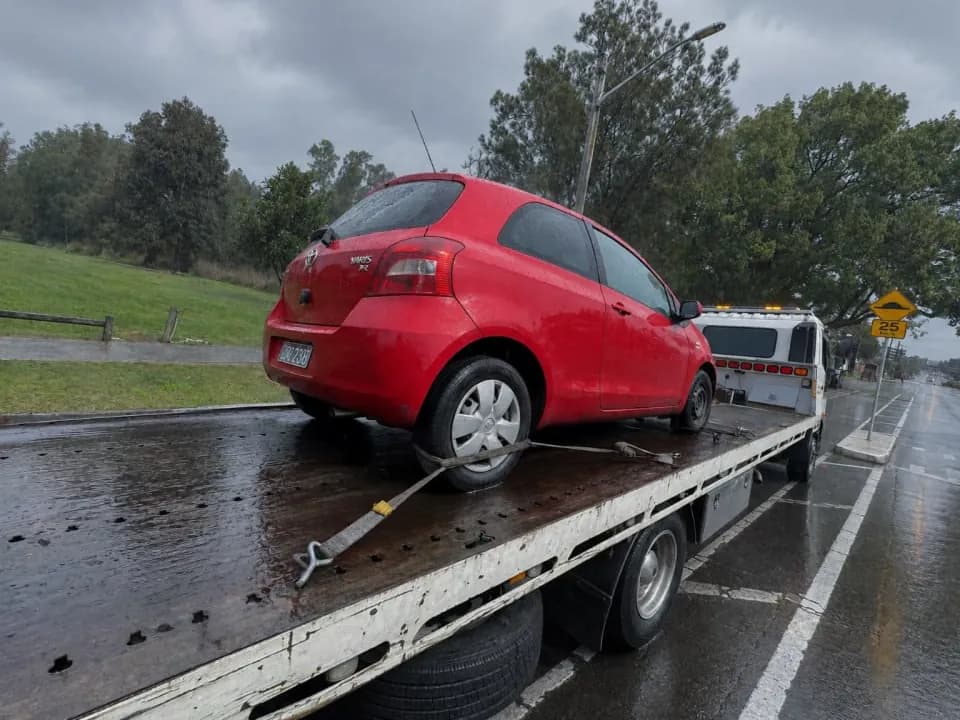
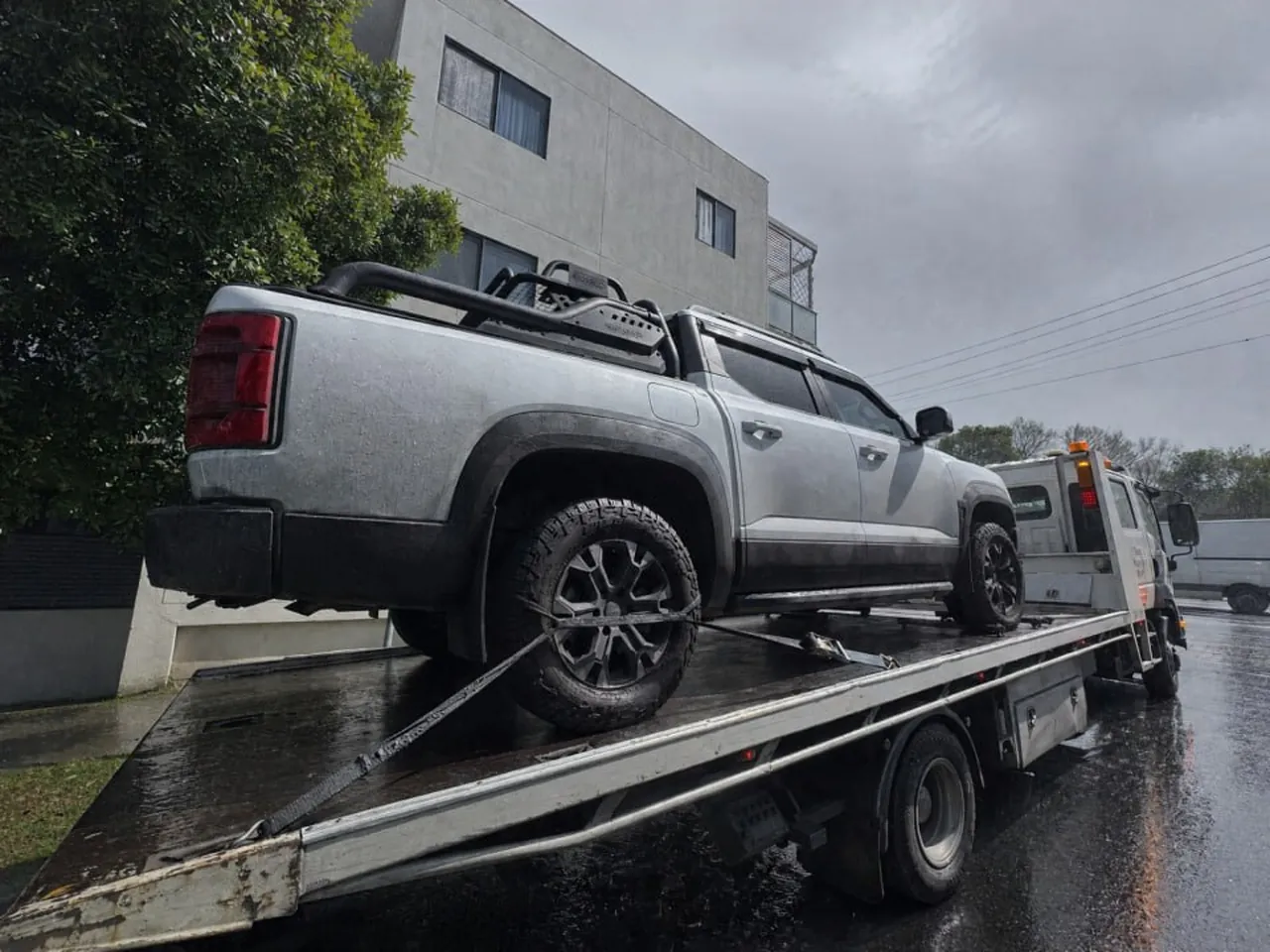
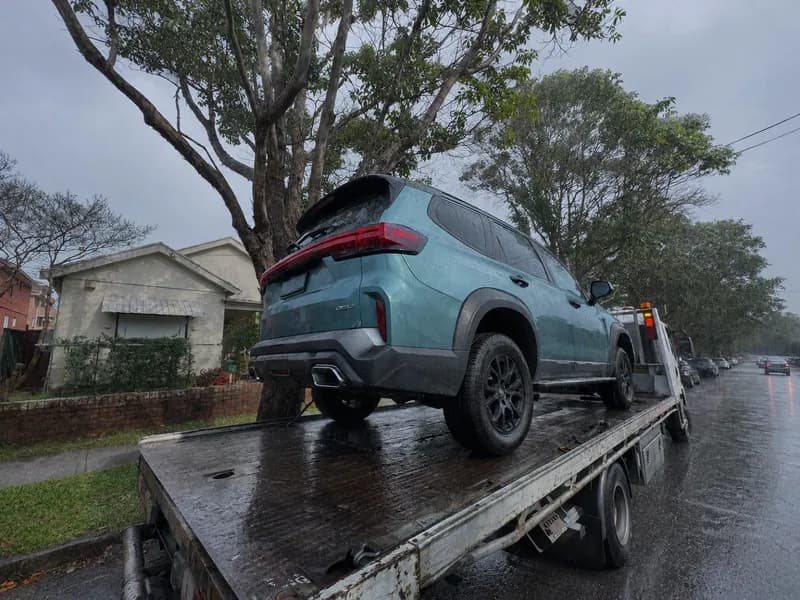
Wet weather driving conditions can change quickly. A road that feels manageable can become unpredictable within minutes, with reduced tyre grip and limited visibility increasing the risk of losing control. At Quokka Towing, we’ve seen how often wet conditions lead to self-accidents. Vehicles sliding at intersections, losing control on corners, or misjudging braking distances on slippery roads are common incidents.
This guide covers practical tips for driving in wet weather, including how to stay in control, reduce risk, and handle dangerous conditions safely.
Key Takeaways
- Slow down to maintain control on slippery roads
- Increase the following distance to allow for longer stopping times
- Use headlights to improve visibility in wet-weather driving conditions
- Avoid sudden braking, acceleration, or sharp steering
- Watch for standing water to reduce the risk of hydroplaning
- Keep tyres, brakes, and wipers in good condition
- Never drive through floodwater if you’re unsure of the depth
- Stay alert and focused at all times
- Pull over safely if conditions become too dangerous
Why Driving in Wet Weather Can Be Hazardous
Wet weather creates multiple hazards at once, which increases the likelihood of accidents. Understanding these risks is the first step to driving safely.
Reduced Tyre Grip and Slippery Roads
When it rains, water mixes with oil, dirt, and debris on the road surface. This creates extremely slippery roads, especially after long dry periods when built-up residue hasn’t been washed away yet. The first 10 to 20 minutes of rainfall are often the most dangerous, as this layer becomes slick and reduces tyre grip.
Your tyres rely on friction to stay connected to the road. In wet conditions, that friction drops, making it harder to steer, brake, and maintain control. Water can also sit on the surface, creating a thin film that limits how effectively your tyres can disperse it.
Even a well-maintained vehicle can struggle in these conditions. Without proper traction, your risk of skidding, sliding, or even hydroplaning increases significantly. This is why sudden movements, higher speeds, or worn tyres can quickly turn a minor loss of grip into a serious incident.
Reduced Visibility and Reaction Time
Rain affects how well you can see the road ahead, and visibility can drop faster than most drivers expect. Heavy downpours, spray from other vehicles, and fogging inside your car all reduce how clearly you can see what’s in front of you and around you.
Water spray from trucks and fast-moving vehicles can briefly block your view entirely, while glare from headlights and reflections on wet roads can make it harder to judge distance and movement. At the same time, fogging on the inside of your windscreen can build up quickly if airflow isn’t managed properly.
Reduced visibility makes it harder to:
- Spot hazards early, such as stopped vehicles, debris, or sudden traffic changes
- Judge distances accurately, especially when braking or merging
- React in time to avoid danger, increasing the risk of late braking or sudden manoeuvres
When visibility drops, your margin for error becomes much smaller.
Increased Risk of Accidents
These combined factors lead to a higher chance of accidents during wet-weather driving. The most common include:
- Rear-end collisions due to increased stopping distances and delayed braking
- Vehicles losing control and skidding, especially when cornering or braking suddenly
- Multi-vehicle accidents caused by poor visibility and chain reactions in traffic
- Cars sliding through intersections after misjudging speed or braking distance
These accidents often happen quickly and without much warning. A slight misjudgement in speed, distance, or braking can escalate within seconds, particularly on slippery roads.
Slow Down and Keep a Safe Distance
Driving slower and leaving more space gives you time to react safely. These two adjustments alone can significantly reduce accident risk.
Adjust Speed to Road Conditions
Speed plays a major role in driving in wet weather. The faster you go, the less control you have, especially on wet surfaces where tyre grip is already reduced.
At higher speeds, your tyres have less time to push water away from the road surface. This increases the chance of losing traction and makes it harder for your vehicle to respond to steering, braking, or sudden changes in traffic. Even a small amount of water can affect control when the speed is too high.
Reducing your speed gives your tyres more time to grip the road and maintain contact with the surface. It also improves your reaction time, allowing you to respond more safely to hazards, traffic changes, or unexpected situations.
Driving at a controlled speed also lowers the risk of hydroplaning and sudden loss of control. In wet conditions, slowing down isn’t just a precaution; it’s one of the most effective ways to prevent accidents.
Increase Following Distance
In good conditions, a following distance of at least two seconds is recommended by Transport WA. In wet weather, that same distance is often not enough, as reduced tyre grip and longer braking distances limit how quickly you can react.
Creating more space between you and the vehicle ahead gives you a larger safety buffer. This is especially important in traffic where sudden braking is common, or when visibility is reduced, and hazards are harder to spot.
Increasing your following distance allows for:
- Longer braking time reducing the risk of skidding or sliding
- Better visibility of traffic ahead, helping you anticipate changes earlier
- Reduced risk of rear-end collisions, especially in stop-start conditions
A good rule is to at least double your normal following distance in wet conditions. This extra space gives you more time to respond calmly and safely, rather than reacting suddenly under pressure.
Avoid Sudden Movements
Quick or aggressive inputs can cause your vehicle to lose traction, especially when grip is already reduced on wet roads. Sudden changes in speed or direction can overwhelm your tyres, making it harder for them to maintain contact with the surface.
Common actions that increase the risk include:
- Hard braking, which can cause wheels to lock or the vehicle to slide
- Rapid acceleration, which can lead to wheel spin and loss of control
- Sharp steering, which can unsettle the vehicle and cause skidding
In wet conditions, your car responds more slowly and unpredictably. Even small inputs can have a bigger impact than expected, particularly when cornering or reacting to traffic. Smooth, controlled driving is key to staying safe. Gradual braking, steady acceleration, and gentle steering help maintain traction and keep your vehicle stable. This approach reduces the risk of sudden loss of control and gives you more time to respond safely to changing conditions.
Vehicle Preparation for Wet Weather
Proper preparation of your vehicle reduces the risk of failure in poor weather conditions. Small checks can help prevent major inconveniences.
Tyre Condition and Tread Depth
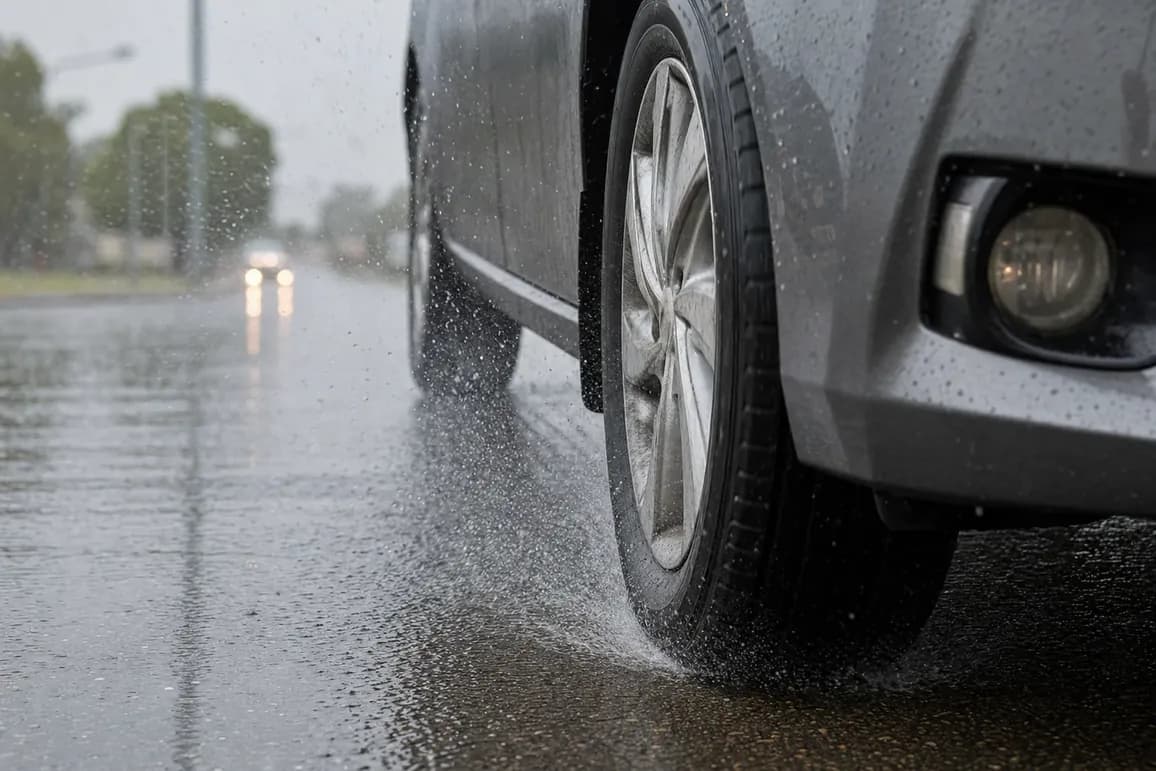
Your tyres are your first line of defence when driving in wet weather. They are the only part of your vehicle in direct contact with the road, so their condition plays a major role in how well you can steer, brake, and stay in control.
Good tread depth allows water to disperse properly through the grooves in your tyres. This helps maintain contact with the road surface and reduces the chance of water building up underneath. When tyres can’t clear water effectively, grip drops quickly. Worn tyres struggle to grip on wet surfaces, increasing the risk of skidding and hydroplaning. Even a small reduction in tread depth can significantly affect performance in rain, especially at higher speeds or during sudden braking.
To prepare for rainy weather, it’s important to check your tyres before you drive. Make sure tread depth is above the legal minimum of 1.5mm and evenly worn across all tyres. Check tyre pressure regularly, as incorrect pressure can reduce grip and stability. It’s also worth inspecting for cracks, bulges, or damage that could worsen in wet conditions. If you see any of these concerns, it’s time to get a fresh set of tyres for safety.
Brake and Light Checks
Reliable brakes are essential in wet conditions where stopping distances are longer, so keeping them properly maintained is critical. Over time, brake pads wear down, and brake fluid can degrade, reducing how effectively your vehicle slows down.
To keep your brakes performing well:
- Check brake pads regularly and replace them before they become too thin
- Listen for warning signs like squealing, grinding, or vibrations when braking
- Ensure brake fluid is topped up and replaced as recommended
- Have your braking system inspected during routine servicing
Your lights are just as important in wet weather. Reduced visibility means other drivers rely on your lights to see you and understand your movements.
Make sure you:
- Check headlights, brake lights, and indicators regularly
- Replace blown bulbs immediately
- Keep lenses clean from dirt and water residue
- Ensure headlights are properly aligned for maximum visibility
Routine Maintenance Matters
Simple maintenance can prevent major problems. This includes checking pressure, fluids, and visibility systems regularly.
| Situation | Safe Behaviour | Unsafe Behaviour |
|---|---|---|
| Speed | Reduce speed | Maintain or increase speed |
| Braking | Brake early and gently | Brake suddenly |
| Distance | Increase following distance | Tailgating |
| Steering | Smooth inputs | Sharp turns |
| Visibility | Use headlights | Drive without lights |
Frequently Asked Questions
You should always reduce your speed below the posted limit when roads are wet. Driving slower improves control and reduces stopping distance.
Loss of traction is the biggest risk. This can lead to skidding or hydroplaning, especially on slippery roads.
Safe Driving Starts with Awareness
Driving in wet weather comes down to control, awareness, and preparation. Slowing down, keeping a safe distance, and maintaining your vehicle all help reduce the risk of losing control on slippery roads.
Wet weather driving can change quickly, and even small mistakes can lead to accidents or breakdowns. Reduced visibility, longer stopping distances, and unpredictable road conditions mean you need to stay alert and adjust your driving at all times.
If you do find yourself stuck or in trouble, the priority is staying safe and getting the right help. Need assistance? Call us now for immediate towing support. We’re available 24/7.