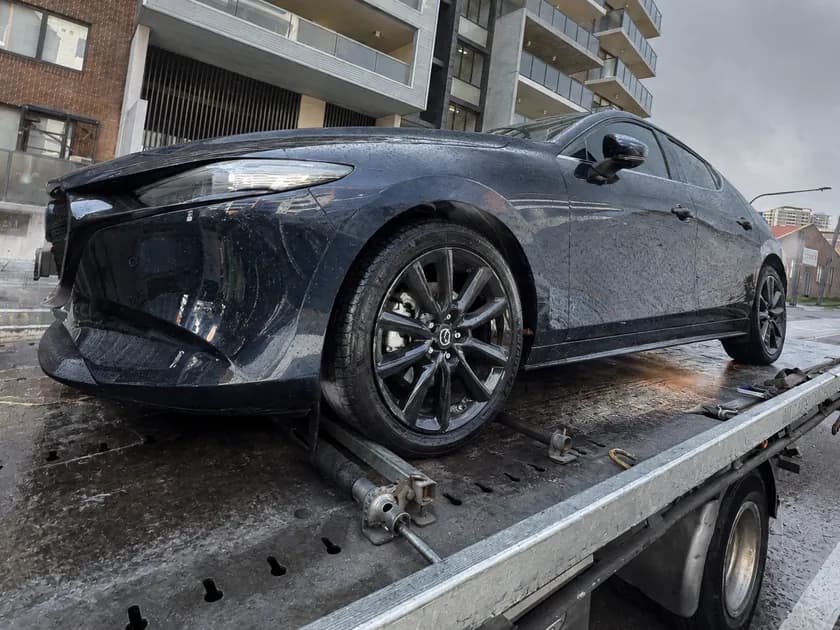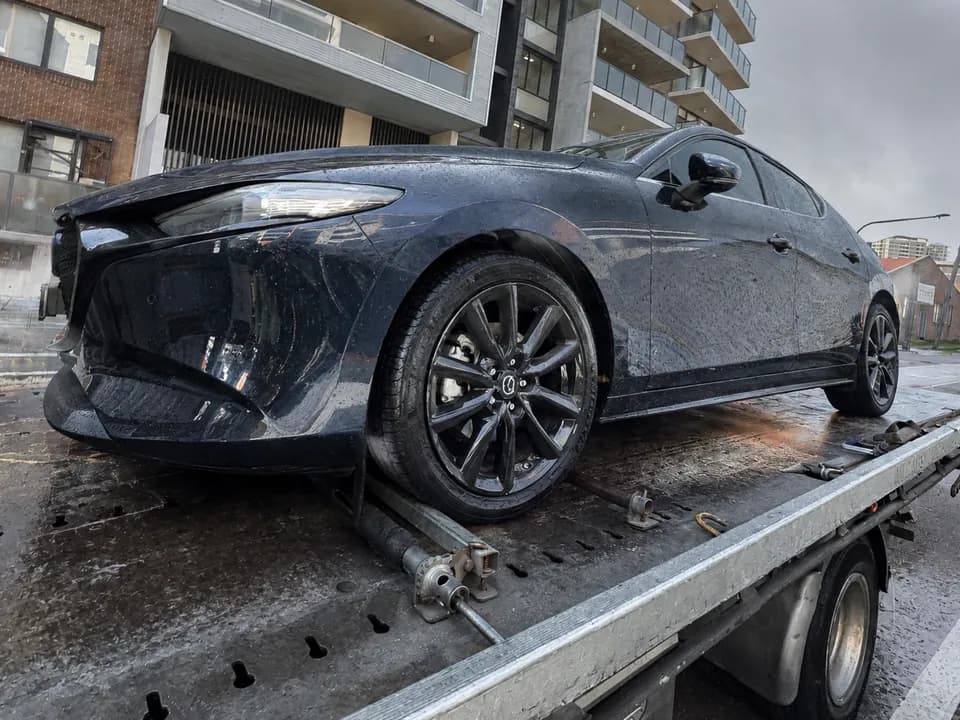
A single vehicle accident can be frightening and overwhelming, especially when it happens without warning. Knowing what to do immediately afterwards can help protect your safety, support any insurance claim, and ensure you meet your legal obligations.
While many people assume a single vehicle accident is always the driver’s fault, that is not necessarily the case. Road conditions, wildlife, vehicle defects, and the actions of other road users can all contribute to an accident. This guide explains what a single vehicle accident is, what steps to take after one, how liability and insurance work, and how to reduce your risk in the future.
Your Quick Guide
- A single vehicle accident involves only one vehicle directly participating in the crash.
- Safety and medical assistance should always be the first priority.
- Evidence collected at the scene can be important for insurance and liability assessments.
- Drivers are not automatically responsible for every single vehicle accident.
- Road defects, wildlife, mechanical failures, and other road users may contribute to an accident.
- Insurance outcomes depend on the circumstances and available evidence.
What Is a Single-Vehicle Accident?
A single vehicle accident occurs when only one vehicle is directly involved in a crash. Although no other vehicle is struck, the consequences can still be significant, ranging from vehicle damage to serious injuries.
Common examples include hitting a tree, pole, fence, guardrail, or animal, leaving the roadway, or rolling a vehicle. A single-vehicle accident may also occur when a driver loses control while avoiding a hazard or another motorist.
Common Examples of Single Vehicle Accidents in Australia
Australia presents several unique driving risks that can contribute to a single vehicle accident.
| Scenario | Example |
|---|---|
| Wildlife collision | Hitting a kangaroo, wallaby, livestock, or other animal |
| Road departure | Leaving the road and entering a ditch or embankment |
| Loss of control | Sliding on wet roads or loose gravel |
| Obstacle avoidance | Swerving to avoid debris, wildlife, or another vehicle |
| Vehicle rollover | Rolling on uneven terrain or after losing control |
Regional and remote roads are particularly susceptible to these incidents due to long travel distances, changing road conditions, and increased wildlife activity.
Common Causes of Single Vehicle Accidents in Australia
Understanding what causes a single vehicle accident can help drivers identify risks before they become dangerous situations. While every incident is different, several factors appear consistently across Australia.
From our experience assisting motorists after accidents and vehicle recoveries, most single vehicle accident incidents are not caused by a single factor alone. In many cases, a combination of driver behaviour, road conditions, weather, fatigue, or unexpected hazards creates a situation where a driver has little time to react.
Recognising these risks before you get behind the wheel can significantly reduce the likelihood of being involved in a single vehicle accident.
Driver Behaviour
Human error remains one of the leading causes of a single-vehicle accident. Speeding, fatigue, distraction, mobile phone use, alcohol, and drugs can all reduce a driver’s ability to react appropriately to changing conditions.
Fatigue deserves particular attention. Long stretches of highway travel are common in Australia, and even a brief lapse in concentration can have serious consequences. Unlike speeding or distracted driving, fatigue often develops gradually, meaning drivers may not realise how impaired they have become until it is too late.
Many of the single vehicle accident recoveries we attend involve drivers who have drifted off the road, clipped a soft shoulder, or overcorrected after becoming tired behind the wheel. These incidents are particularly common on regional highways where traffic is light and journeys can last several hours without a break.
| Driver Behaviour | How It Increases Risk |
|---|---|
| Fatigue | Reduces concentration and reaction times |
| Speeding | Reduces available stopping distance |
| Mobile phone use | Takes attention away from the road |
| Alcohol or drugs | Impairs judgement and vehicle control |
| Driver distraction | Increases the likelihood of missing hazards |
Driver behaviour can also include failing to adjust to changing conditions. Travelling at the posted speed limit may still be unsafe during heavy rain, poor visibility, or on unfamiliar roads.
Road Conditions and Infrastructure
Not every single vehicle accident is caused by driver behaviour. Poor road conditions can contribute significantly to a crash, particularly when hazards are difficult to identify in advance.
Examples include potholes, loose gravel, poor drainage, damaged road surfaces, inadequate signage, and dangerous bends. These conditions can reduce traction, affect vehicle stability, and increase stopping distances.
We frequently attend recoveries where a vehicle has left the roadway after encountering loose gravel, an unexpected shoulder drop-off, or a sharp bend that offered little warning. These situations can become even more dangerous at night when visibility is reduced.
- Loose gravel can reduce tyre grip and steering control.
- Poor drainage can create standing water and increase the risk of aquaplaning.
- Damaged road surfaces can affect braking performance and vehicle stability.
- Missing or inadequate signage can leave drivers with little time to react.
Road maintenance issues do not automatically mean another party is liable for a single vehicle accident. However, documenting road conditions after an incident may be important if road defects are believed to have contributed to the crash.
Weather Conditions
Weather can change rapidly and create challenging driving conditions. Heavy rain, flooding, strong winds, and reduced visibility all increase the likelihood of a single vehicle accident.
Wet roads are particularly hazardous because many drivers underestimate how much longer it takes to stop or manoeuvre safely. The first rainfall after a long dry period can be especially dangerous as oil and debris accumulate on the road surface and reduce tyre grip.
From our experience, weather-related single-vehicle accident incidents often involve vehicles sliding through corners, hydroplaning on standing water, or leaving the road after drivers encounter conditions that are significantly worse than expected.
Reducing speed, increasing following distances, and remaining alert to changing conditions can significantly improve safety during adverse weather.
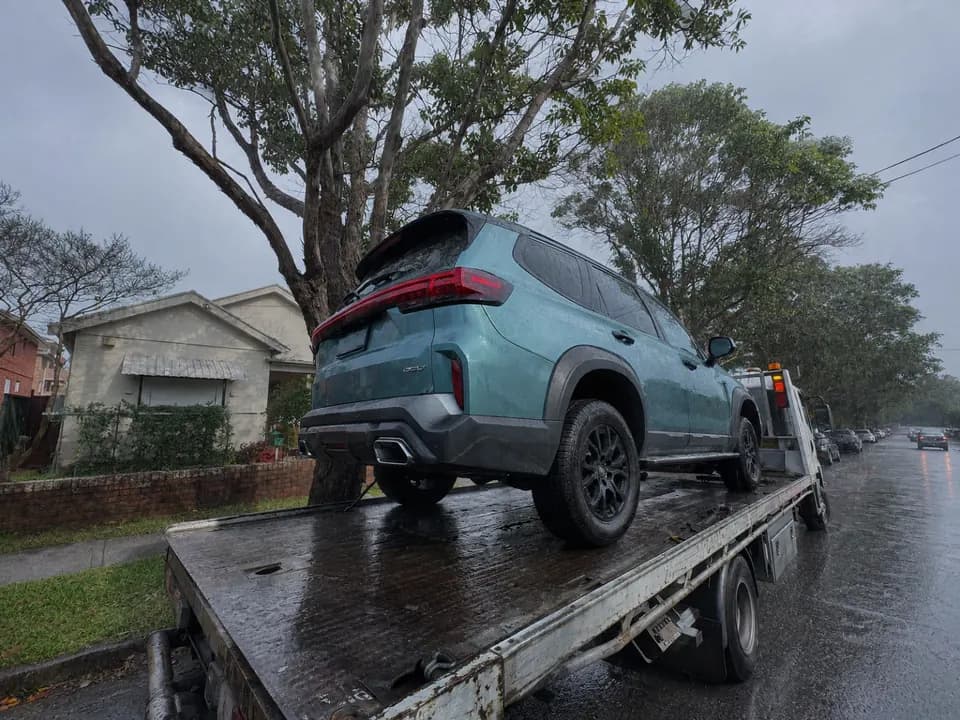
Wildlife and Unexpected Hazards
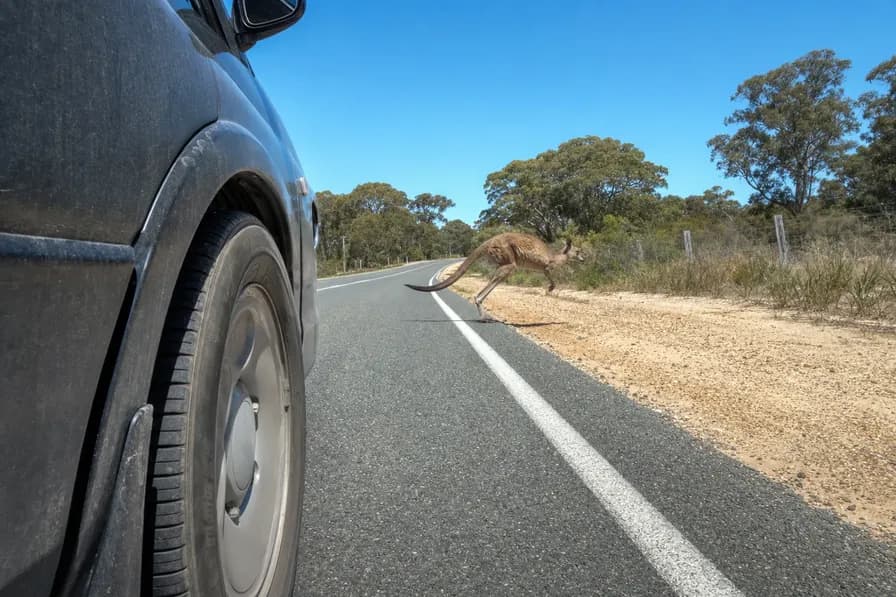
Wildlife strikes are common throughout Australia, particularly at dawn and dusk. Many drivers become involved in a single-car accident after swerving suddenly to avoid an animal.
Kangaroos are among the most common hazards on regional roads, although livestock, wallabies, wombats, and other wildlife can also create dangerous situations. Animals often move unpredictably, making them difficult to avoid safely.
We regularly see vehicles with significant damage after drivers attempt sudden evasive manoeuvres. In some situations, swerving to avoid an animal can result in a more serious single-vehicle accident than maintaining control and braking safely.
- Wildlife crossing roads at dawn and dusk.
- Fallen branches after storms.
- Flooded sections of roadway.
- Debris or cargo dropped from vehicles.
- Unexpected obstacles around blind corners.
These hazards often appear with little warning, making defensive driving and maintaining a safe speed particularly important.
Vehicle Defects and Mechanical Failures
Mechanical issues can also contribute to a single-vehicle accident. Tyre blowouts, brake failures, steering faults, suspension issues, and manufacturing defects can all affect vehicle control.
Many mechanical failures occur without warning, particularly when critical components have deteriorated over time. A tyre failure at highway speeds or a sudden brake issue can quickly become a serious safety risk.
While regular servicing helps reduce risk, it cannot eliminate every potential fault. We occasionally attend accident recoveries where a mechanical issue appears to have played a significant role in the incident, highlighting the importance of maintaining tyres, brakes, steering, and suspension systems in good condition.
If a vehicle defect is suspected following a single vehicle accident, retaining maintenance records and documenting the vehicle’s condition may assist insurers or investigators when determining what occurred.
What To Do Immediately After a Single Vehicle Accident
The actions you take immediately after a single vehicle accident can affect both your safety and the outcome of any insurance claim. Remaining calm and following a logical process can help you manage the situation effectively.
Step 1: Check for Injuries
Check yourself and any passengers for injuries. If anyone requires urgent medical attention, call Triple Zero (000) immediately.
Even when injuries appear minor, medical assessment is often worthwhile because some symptoms may not appear straight away.
Step 2: Make the Area Safe
If it is safe to do so, turn on your hazard lights and move the vehicle away from traffic. If the vehicle cannot be moved, remain in a safe location away from passing vehicles.
Safety should remain the priority until emergency services or roadside assistance arrive.
Step 3: Contact Police if Required
Reporting requirements vary between states and territories, but police should generally be contacted when injuries occur, public property has been damaged, or the vehicle presents a traffic hazard. Sending a report can be done through the online form of the Government of Western Australia.
Step 4: Document the Scene
Photographs can provide valuable evidence following a single-vehicle accident. Record vehicle damage, road conditions, weather conditions, signs, markings, and any hazards that may have contributed to the incident.
Step 5: Gather Supporting Evidence
Witness details, CCTV footage, dashcam recordings, and notes about what occurred can all help establish the circumstances surrounding the accident.
Step 6: Contact Your Insurer
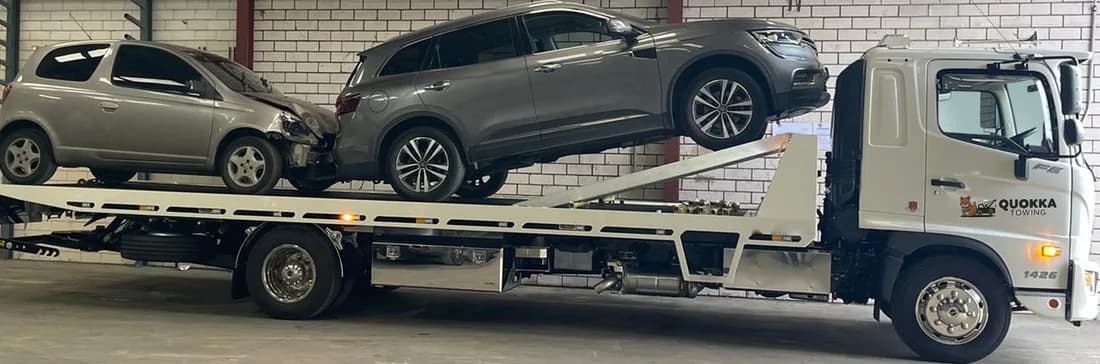
Notify your insurer as soon as practical and provide accurate information about the incident. Early reporting can help streamline the claims process and reduce delays. If your car needs a tow as part of the claim, we handle insurance towing in Perth.
Are You Always at Fault in a Single Vehicle Accident?
Many people assume the driver is automatically responsible for a single vehicle accident. While drivers are often found liable, fault is not always straightforward.
Every accident must be assessed based on its specific circumstances. External factors can sometimes play a significant role in causing or contributing to a crash.
Situations Where Fault May Not Be Clear
A driver may not be entirely responsible if the accident involved:
- A significant road defect.
- Missing warning signs.
- A vehicle defect.
- Faulty repairs.
- Dangerous actions by another road user.
This is one reason why evidence gathered at the scene can be so important.
Who Can Be Liable for a Single Vehicle Accident?
Liability for a single vehicle accident may extend beyond the driver, depending on what caused the crash. Determining responsibility often requires a careful assessment of the available evidence.
| Potentially Liable Party | Example Circumstances |
|---|---|
| Driver | Speeding, fatigue, distraction, impaired driving |
| Road authority | Dangerous road defects or poor maintenance |
| Another road user | Forcing a vehicle off the road or causing evasive action |
| Vehicle manufacturer | Defective brakes, steering, or safety systems |
| Mechanic or repairer | Negligent repairs or missed safety issues |
Road authorities may become relevant where poor maintenance or dangerous conditions contributed to the incident. Likewise, another driver may share responsibility if their actions forced a motorist to take evasive action, even where no collision occurred.
Vehicle manufacturers and repairers may also be investigated if a mechanical defect or faulty repair played a role in the accident.
How Insurance Works After a Single Vehicle Accident
Insurance coverage following a single-vehicle accident depends on the policy held and the circumstances surrounding the crash. Comprehensive insurance generally provides the broadest level of protection, although policy terms and exclusions still apply.
Insurers typically consider factors such as the cause of the accident, road conditions, vehicle condition, driver behaviour, and any supporting evidence. This is why photographs, witness statements, dashcam footage, and police reports can be so valuable.
If another factor contributed to the accident, evidence may assist in demonstrating those circumstances during the claims process.
Common Injuries in Single Vehicle Accidents
A single vehicle accident can cause injuries ranging from relatively minor soft tissue damage through to life-changing trauma. While some crashes occur at lower speeds, others involve collisions with fixed objects such as trees, poles, guardrails, embankments, or vehicle rollovers, which can significantly increase the severity of injuries.
Road safety data consistently shows that single-vehicle crashes account for a significant proportion of serious injuries and fatalities on Australian roads. This is particularly true on regional and rural roads, where higher travel speeds, longer emergency response times, and collisions with fixed roadside objects can increase the risk of severe outcomes.
Common Physical Injuries
The type and severity of injuries often depend on factors such as vehicle speed, seatbelt use, impact angle, and whether the vehicle rolled or struck a fixed object.
- Whiplash and neck injuries caused by sudden vehicle movement during impact.
- Head injuries and concussions resulting from contact with the vehicle interior or flying debris.
- Broken bones, particularly in the arms, legs, ribs, and collarbone.
- Back and spinal injuries, which may range from muscle strain to more serious spinal trauma.
- Cuts, bruises, and lacerations caused by shattered glass, vehicle components, or loose objects inside the vehicle.
- Chest and internal injuries resulting from significant impact forces.
From our experience attending accident recoveries, rollover accidents, and collisions involving trees or poles often result in more severe injuries than many drivers initially expect. Even when a vehicle appears relatively intact, occupants can still suffer injuries that may not become apparent until hours or days later.
Psychological Effects After an Accident
Not all injuries are visible. A serious single-vehicle accident can have lasting psychological effects, particularly if the crash involved significant damage, injury, or a near-miss situation.
Common emotional and psychological impacts may include anxiety, stress, sleep disturbances, reduced confidence while driving, and heightened nervousness when returning to the road. These reactions are often temporary, but some people may require professional support as part of their recovery.
Because some injuries develop gradually, seeking medical assessment after a single vehicle accident is often a sensible precaution even when symptoms initially appear minor. Early diagnosis can help identify underlying injuries and support a smoother recovery process.
Can You Claim Compensation After a Single Vehicle Accident?
Compensation may be available after a single vehicle accident, depending on the circumstances and the laws that apply in your state or territory.
Claims may arise where another road user contributed to the accident, a road authority failed to maintain safe conditions, a vehicle defect was involved, or negligent repairs played a role. In some jurisdictions, injured road users may also have access to benefits through compulsory third-party insurance schemes.
Because compensation pathways vary throughout Australia, each situation should be assessed on its own facts.
How to Reduce the Risk of a Single Vehicle Accident
Preventing a single-vehicle accident often comes down to good driving habits and proper vehicle maintenance. While not every risk can be eliminated, drivers can significantly improve safety by remaining alert and preparing for changing conditions.
Paying attention to fatigue, maintaining safe speeds, reducing distractions, and servicing your vehicle regularly can all reduce accident risk. Extra caution should also be exercised on rural roads, during poor weather, and in areas known for wildlife activity.
Frequently Asked Questions
A single vehicle accident occurs when only one vehicle is directly involved in a crash. Examples include colliding with wildlife, leaving the roadway, hitting a fixed object, or rolling a vehicle.
This depends on the laws in your state or territory. Police should generally be contacted if someone is injured, public property has been damaged, or the vehicle presents a traffic hazard.
Many comprehensive insurance policies cover damage arising from a single vehicle accident, although coverage depends on policy terms and the circumstances of the incident.
Yes. If another driver created a dangerous situation that led to a single vehicle accident, they may still share responsibility even without physical contact.
Handling a Single Vehicle Accident with Confidence
A single vehicle accident can happen unexpectedly, whether due to driver error, wildlife, road conditions, weather, or mechanical failure. Understanding what to do immediately afterwards can help protect your safety, support your insurance claim, and ensure important evidence is preserved.
It’s equally important to remember that fault is not always straightforward. Every single vehicle accident has unique circumstances, and factors beyond the driver’s control can sometimes contribute to the outcome.
If you’ve been involved in a single-vehicle accident and require towing, accident recovery, or roadside assistance, our team is available 24/7 to help you get safely off the road and where you need to be. Contact us now.