

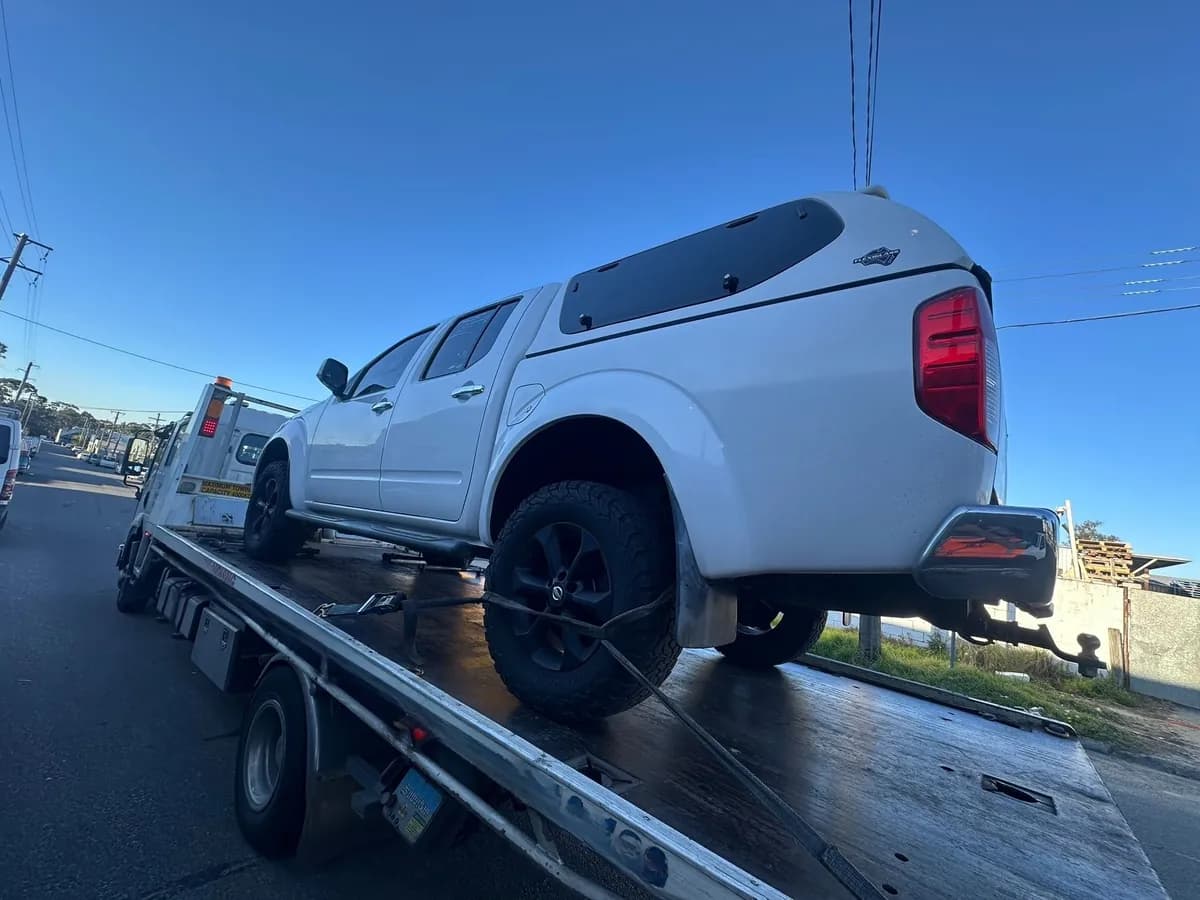
A bogged car can be recovered by stopping wheel spin, improving traction, and using controlled movement to regain grip. The right approach can get you moving again quickly, while the wrong one can leave your bogged vehicle deeper and harder to recover. Knowing how to unbog a car is essential.
At Quokka Towing, we recover bogged vehicles across Perth, delivering fast, reliable, and affordable towing services when you need them most.
This article explains exactly how to get your car out of mud safely, including what to do first, what to avoid, and step-by-step techniques that work in real situations.
The Recovery Basics
- Stop accelerating immediately to avoid digging deeper
- Assess how stuck in the mud the car is
- Improve traction by digging and clearing space around tyres
- Place materials like mats, sand, or sticks under tyres
- Lower tyre pressure for better grip
- Use gentle acceleration or rocking to regain movement
- Maintain momentum once the vehicle starts moving
- Avoid wheel spin and aggressive driving
- Call a professional if the bogged car cannot be safely recovered
Step-by-Step: How to Unbog a Car
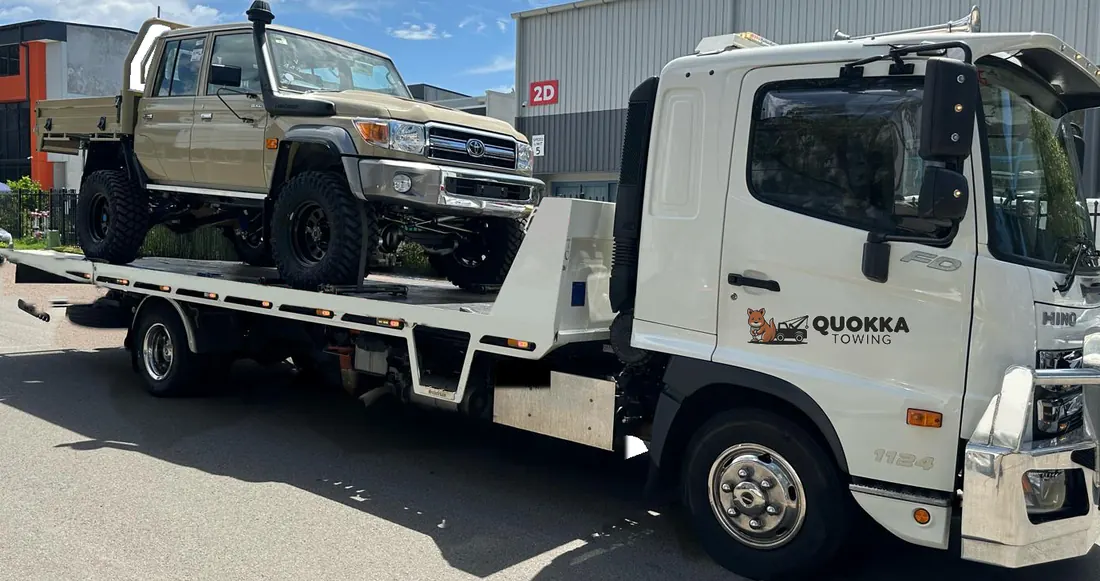
Recovering a bogged car ultimately comes down to improving traction and using controlled movement to avoid digging deeper. Follow these step-by-step techniques to safely unbog a car.
- 1
Improve Traction First
Before trying to move the vehicle, focus on creating a clear path and removing anything that’s preventing traction. This step sets the foundation for successfully recovering a bogged car.
- Dig around the tyres to remove built-up mud or sand
- Clear space in front of the tyres to create a path forward
- Remove material under the chassis if the vehicle is sitting on its belly
Taking the time to do this properly is critical for any bogged vehicle, especially in soft or wet conditions where traction is limited.
- 2
Add Grip Under the Tyres
Once the area is cleared, the next step is to increase traction under the tyres so the vehicle has something solid to grip onto.
- Place rocks, sticks, or gravel directly under the tyres
- Use floor mats, towels, or cloth for added grip
- Build a firm surface in front of the tyres to help them climb out
- Use recovery tracks
The goal is to create a stable base that allows the tyres to gain traction instead of the tyres just spinning and digging deeper.
- 3
Adjust Tyre Pressure
In very soft terrain, tyre pressure plays a major role in how well your vehicle maintains traction.
- JACO shares that lowering the tyre pressure increases the tyre’s contact surface area with the ground
- This allows the vehicle to spread its weight and “float” rather than dig in
Adjusting tyre pressure correctly can make a significant difference when trying to recover a bogged car.
- 4
Use Gentle Acceleration
Once you’ve improved traction, the next step in how to unbog a car is controlled movement. This is where many drivers go wrong.
- Apply light, steady throttle only
- Avoid sudden acceleration or wheel spin
- Slightly turn the steering wheel left and right to find grip
- Use low gear in an automatic or controlled clutch release in a manual
If the situation doesn’t improve with gentle input, stop and reassess. Forcing it will only dig the tyres deeper.
- 5
Rock the Vehicle
Rocking is a simple but effective technique when trying to recover a car stuck in mud.
- Make sure no one is near the vehicle
- Alternate between forward and reverse gears
- Build small, controlled momentum
- Allow the tyres to compress the surface beneath them
This technique helps create a firmer base under the tyres and can free a lightly bogged vehicle without needing additional tools.
- 6
Use a Winch
A winch can safely recover a bogged vehicle when traction methods aren’t enough. The key is controlled pulling and proper setup.
- Use a strong anchor point (tree, recovery point, or another vehicle)
- Attach the winch line to the rated gear and keep it straight
- Place a dampener over the line and keep people clear
- Winch slowly and steadily, avoid sudden pulls
- Lightly assist with gentle acceleration if needed
- 7
Maintain Momentum
Once the vehicle starts moving, your priority is to maintain momentum and avoid getting stuck again.
- Keep a steady, controlled speed without stopping
- Head towards firmer ground as soon as possible
- Avoid sharp turns or sudden braking
If you lose momentum too soon, the tyres can quickly sink back in and leave you stuck again.
Understanding the Situation
Every bogged car situation is different, and there’s no one-size-fits-all solution. Before attempting recovery, take a moment to assess what’s actually causing the vehicle to get stuck.
- Terrain type: Mud, sand, and gravel all behave differently and affect traction in unique ways
- Depth of bogging: A light surface slip is easier to recover than tyres that are deeply sunk
- Wheel involvement: One spinning wheel is easier to manage than multiple wheels, losing traction
- High-centred vehicles: When the chassis is resting on the ground, tyres lose contact and grip
- Vehicle type: 2WD, 4WD, vehicle weight, and ground clearance all impact recovery
Understanding these factors helps you choose the right approach and improves your chances of successfully applying the techniques of how to unbog a car.
Recovery Methods by Situation
| Situation | Recommended Approach | Key Tip |
|---|---|---|
| Light mud | Gentle acceleration + rocking | Avoid wheel spin |
| Deep mud | Dig + traction materials | Focus on grip first |
| Sand | Lower tyre pressure | Maintain momentum |
| High-centred vehicle | Dig under the chassis | Reduce ground contact |
| Single wheel spin | Add traction + shift weight | Improve grip on that tyre |
Weight Distribution Tips
Adjusting the weight can significantly improve traction. By increasing pressure on the tyres that are slipping, you give them a better chance of gripping the surface.
- Ask passengers to sit or stand inside the part of the car nearest to the affected wheel
- Shift heavy items inside the vehicle toward the side with tyres that need traction
- Remove unnecessary load from other sides, if possible
Small changes in weight distribution can make a noticeable difference when trying to recover a bogged vehicle.
Common Causes of Getting Bogged
Most of the situations where cars get stuck in mud happen due to a loss of traction combined with poor timing or positioning. Understanding the common causes can help you avoid getting stuck in the first place.
- Driving on soft sand or loose terrain without enough momentum
- Wet or muddy ground after rain, reducing tyre grip
- Incorrect tyre pressure for the conditions
- Carrying heavy loads that reduce ground clearance
- Stopping in unstable or soft areas
Of course, like city driving, learning to do it off-road is necessary to be aware of the scenarios where you can get stuck, and how to handle them. Enrolling in off-road training before setting off on a trail will prove to be useful.
Safety Considerations During Recovery
Safety should always come first when recovering a bogged car. Taking a few precautions can prevent injury and avoid making the situation worse.
- Keep bystanders at a safe distance during recovery attempts
- Watch for unstable ground or shifting terrain
- Never place hands or feet near spinning tyres
- Use caution when placing objects under tyres to avoid slipping
- Ensure the recovery path is clear before attempting to move
If anything feels unsafe, stop immediately and reassess. Recovering a bogged vehicle should never put you or others at risk.
When to Call a Professional Recovery Service
If the situation isn’t improving or becomes unsafe, it’s time to call a professional recovery service.
- The bogged car is deeply stuck or not responding to recovery attempts
- The vehicle is high-centred and sitting on its chassis
- You’re dealing with heavy mud, steep terrain, or unstable ground
- You don’t have the right recovery tools or equipment
- Recovery attempts are making the situation worse
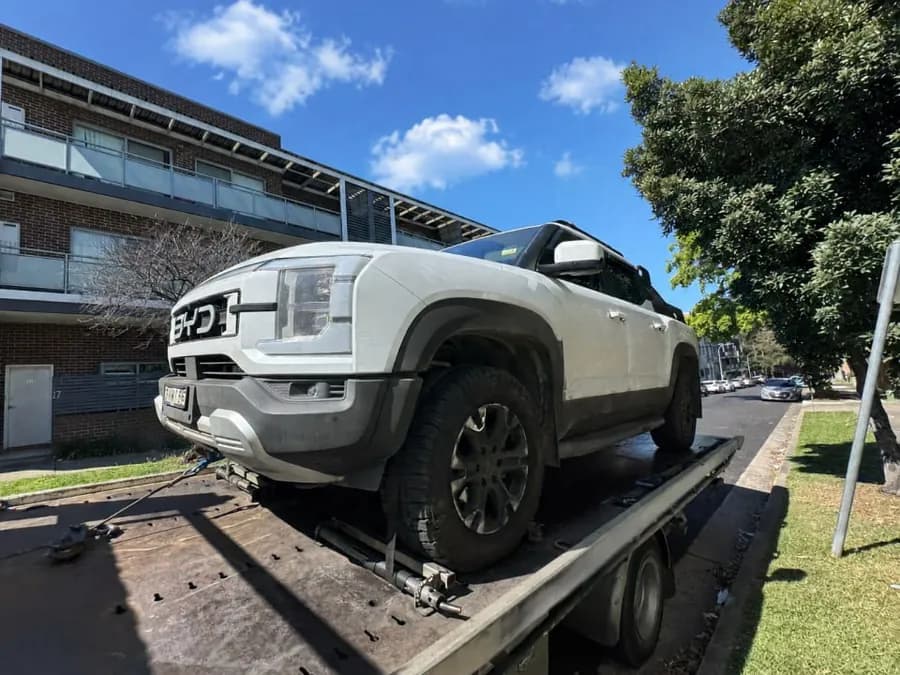
Forcing a recovery in these conditions can lead to costly vehicle damage or serious injury. A professional team ensures safe and efficient recovery, using the right equipment to get your vehicle out without unnecessary risk.
Frequently Asked Questions
To unbog a car safely, stop accelerating immediately, improve traction by digging around the tyres, and place materials like mats or gravel underneath. Use gentle acceleration and controlled movement to regain grip without spinning the wheels.
If your car stuck in mud, avoid spinning the wheels and assess the situation first. Clear space around the tyres, add traction, and try to reverse slowly. If the car stuck in the mud does not move, it’s best to call a professional recovery service.
Yes, lowering tyre pressure can help a bogged car, especially in sand. It increases the tyre’s surface area, allowing the vehicle to gain better traction and “float” over soft terrain.
In some cases, you can learn how to get car out of mud using basic items like floor mats, sticks, or rocks to improve traction.
You should call a towing service if the bogged vehicle is deeply stuck, unsafe to recover, or not responding to basic techniques. Professional recovery ensures safe and efficient transport without causing further damage.
No, spinning the wheels will usually make a car stuck in the mud worse. It reduces traction and digs the tyres deeper, making recovery more difficult. Controlled acceleration is always the better approach.
It can be safe if the situation is minor and you follow proper steps. However, if the bogged car is deeply stuck or in unstable terrain, attempting recovery yourself can be risky. In these cases, professional help is the safest option.
Getting You Moving
Recovering a bogged car comes down to acting early, improving traction, and using controlled movement. These steps can safely retrieve a car stuck in mud without causing further damage.
However, if your bogged vehicle is deeply stuck or the situation becomes unsafe, it’s best to stop and call for professional help. Call us now for fast, reliable assistance. We’re available 24/7.