

An oil leak is one of the most common problems drivers face, but it’s also one of the easiest to ignore. A small oil leak under the car might not seem urgent at first, but it can quickly turn into serious engine damage if left unchecked. Your engine relies on oil to reduce friction, control heat, and keep components running smoothly. When you have an engine oil leak, that protection starts to disappear.
As a trusted local service that regularly assists drivers in breakdowns, we’ve seen how often a minor oil leak in a car can turn into something much more serious. The challenge is knowing what to look for and when to act. Many drivers aren’t sure what an oil leak looks like, how to spot early warning signs, or how to find oil leak issues before they escalate.
In this guide, we explain everything you need to know about this issue, including common causes, key oil leak symptoms, and what it means for your vehicle. We’ll also cover when it’s safe to keep driving and when you should consider an engine oil leak repair.
Oil Leaks in a Nut Shell
- Loss of engine oil reduces lubrication and increases wear
- A visible oil leak under the car is often the first warning sign
- Common causes include a gasket oil leak, a damaged oil pan, or a loose oil filter
- A valve cover gasket oil leak and a head gasket oil leak are among the most frequent issues
- Key oil leak symptoms include burning smells, smoke, and low oil levels
- Ignoring an engine oil leak can lead to overheating and severe engine damage
- Early oil leak repair is the best way to avoid costly breakdowns
- Knowing how to fix an oil leak starts with identifying the source correctly
What Is an Oil Leak?
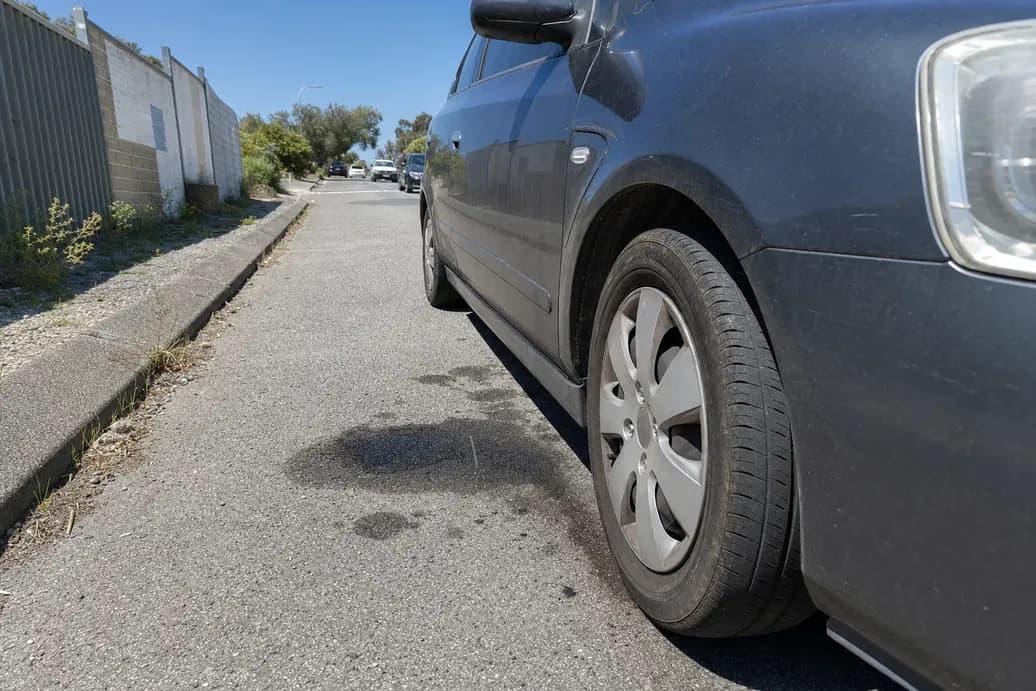
An oil leak happens when engine oil escapes from your vehicle’s engine or related components. This can range from a slow seep to a more serious issue that causes rapid oil loss. In simple terms, your engine is designed to keep oil sealed inside. When something fails, oil begins to escape. This is what you’re seeing when there’s a problem, oil under your car or residue around the engine bay.
Oil Leak Symptoms
Spotting this issue early can save you from serious engine damage. The problem is that not all cases are obvious straight away, especially if they start small. Recognising oil leak symptoms early allows you to act quickly and avoid expensive repairs or breakdowns.
If you’re unsure what does an oil leak look like, these are the most common oil leak symptoms to watch for:
- Dark brown or black puddles indicating an oil leak under the car
- Burning oil smell, especially after driving
- Smoke coming from the engine bay
- Low oil levels or needing frequent top-ups
- Oil warning light on your dashboard
- Greasy or dirty engine components
- Dripping oil from underneath your vehicle
What the Colour of an Oil Leak Can Mean
The colour of leaking oil can tell you a lot about the condition of your engine and how serious the problem may be. While most drivers focus on the presence of a leak, checking the colour and texture of the oil can help identify whether the issue is minor maintenance or a warning sign of deeper engine trouble.
Fresh engine oil is usually amber or light brown in colour. As it ages and collects contaminants from normal engine operation, it gradually becomes darker. Dark brown or black oil leaking under the car is common in vehicles overdue for servicing, but it can also indicate that oil has been circulating for too long without replacement.
If the leaking oil appears milky, creamy, or resembles coffee with milk, this can point to coolant contamination. This is often associated with a serious issue such as a head gasket oil leak or internal engine damage. In these situations, the vehicle should be inspected immediately.
Drivers should also be careful not to confuse engine oil with other leaking fluids. Red or pink fluid is commonly transmission fluid, green or orange liquid is usually coolant, and clear fluid may simply be water from the air conditioning system.
| Oil Colour | What It May Mean |
|---|---|
| Amber or Light Brown | Fresh or relatively clean engine oil |
| Dark Brown or Black | Older oil or overdue servicing |
| Milky or Creamy | Possible coolant contamination or head gasket issue |
| Thick Sludge-Like Oil | Poor maintenance or heavy oil contamination |
| Red or Pink Fluid | Usually transmission fluid, not engine oil |
Common Causes of Oil Leaks
There are several reasons why an engine oil leak can occur. Some are simple fixes, while others can point to deeper engine issues. Understanding these causes helps you act early and decide whether you need immediate attention or a scheduled oil leak repair.
Worn Seals and Gaskets
The most common cause is a failure in seals and gaskets. Over time, these components are exposed to constant heat and pressure, causing them to harden, crack, or wear out.
- Gasket oil leak from various engine components
- Valve cover gasket oil leak around the top of the engine
- Head gasket oil leak, which can be more serious and complex
Loose or Faulty Oil Filter
After an oil change, a poorly installed or damaged oil filter can cause an immediate oil leak.
Common issues related to this include:
- Loose filter not sealed properly
- Double gasket (old seal left behind)
- Low-quality or faulty filter
Damaged Oil Pan or Drain Plug
The oil pan sits at the bottom of your engine, making it vulnerable to damage from road debris or impact. A damaged oil pan can lead to a steady or severe engine oil leak, especially if left unattended.
This can result in:
- Cracks or dents in the oil pan
- Loose or stripped drain plug
- Missing or worn sealing washer
Engine Wear and Age
As your vehicle gets older, the risk of this problem increases. Materials naturally degrade over time due to repeated heating and cooling cycles. Older vehicles are more likely to experience recurring oil leak symptoms.
This can cause:
- Brittle seals
- Cracked gaskets
- Increased likelihood of multiple small leaks
Faulty PCV System
The Positive Crankcase Ventilation (PCV) system helps regulate pressure inside the engine. When it fails, pressure can build up and force oil out through seals and gaskets.
This can contribute to:
- Hidden engine oil leak issues
- Oil being pushed into unintended areas
Common Oil Leak Causes and Severity
| Cause | Severity Level | Repair Complexity |
|---|---|---|
| Worn Seals | Low to Medium | Easy |
| Oil filter issue | Low | Easy |
| Oil pan damage | Medium | Moderate |
| PCV system fault | Medium | Moderate |
| Engine wear | Medium to High | Complex |
What Can Happen?
This issue isn’t just a minor inconvenience. It directly affects how your engine performs and how long it lasts. Understanding the potential effect of not urgently addressing an oil leak helps you take the situation seriously and avoid long-term damage.
| Impact | Effect |
|---|---|
| Reduced Engine Lubrication | Increased friction inside the engine Faster wear on components |
| Overheating Risk | Oil helps regulate temperature Low oil leads to heat build-up |
| Serious Engine Damage | Can lead to a seized engine Repairs become expensive quickly |
| Fire Hazard | Oil contacting hot parts can ignite |
| Breakdown Risk | Sudden failure can leave you stranded |
Can You Drive With This Problem?
In most cases, continuing to drive is not recommended. The risk increases quickly depending on how difficult the situation is.
Making the wrong decision here can lead to permanent engine damage.
- Minor cases may allow short trips if oil levels are monitored closely
- Moderate cases increase the risk of breakdown
- Severe cases should not be driven at all
To quickly diagnose if you can drive, the best way is to inspect the dipstick. This will help you identify how fast you are losing oil and how much is still left in the engine. Start by parking on a level surface and letting the engine cool, then remove the dipstick, wipe it clean, and insert it back fully before pulling it out again. The oil level should sit between the minimum and maximum marks. While checking the dipstick, you should also pay attention to the colour and consistency of the oil itself. Healthy engine oil is usually amber or light brown, while very dark or thick oil may indicate overdue servicing or contamination. If the oil appears milky, foamy, or contains metallic particles, this can point to serious internal engine problems that require immediate attention.If the level gets below the minimum mark, stop driving immediately.
How to Fix an Oil Leak
Understanding how to fix an oil leak starts with identifying the exact source. Every situation is different, and the repair depends on what’s causing it. Acting early ensures repairs stay simple and prevents more serious damage.
Common oil leak repair solutions include:
- Replacing worn seals and gaskets
- Repairing the oil pan or the drain plug
- Replacing the faulty oil filter
- Fixing the PCV system
- Performing full engine oil leak repair if required
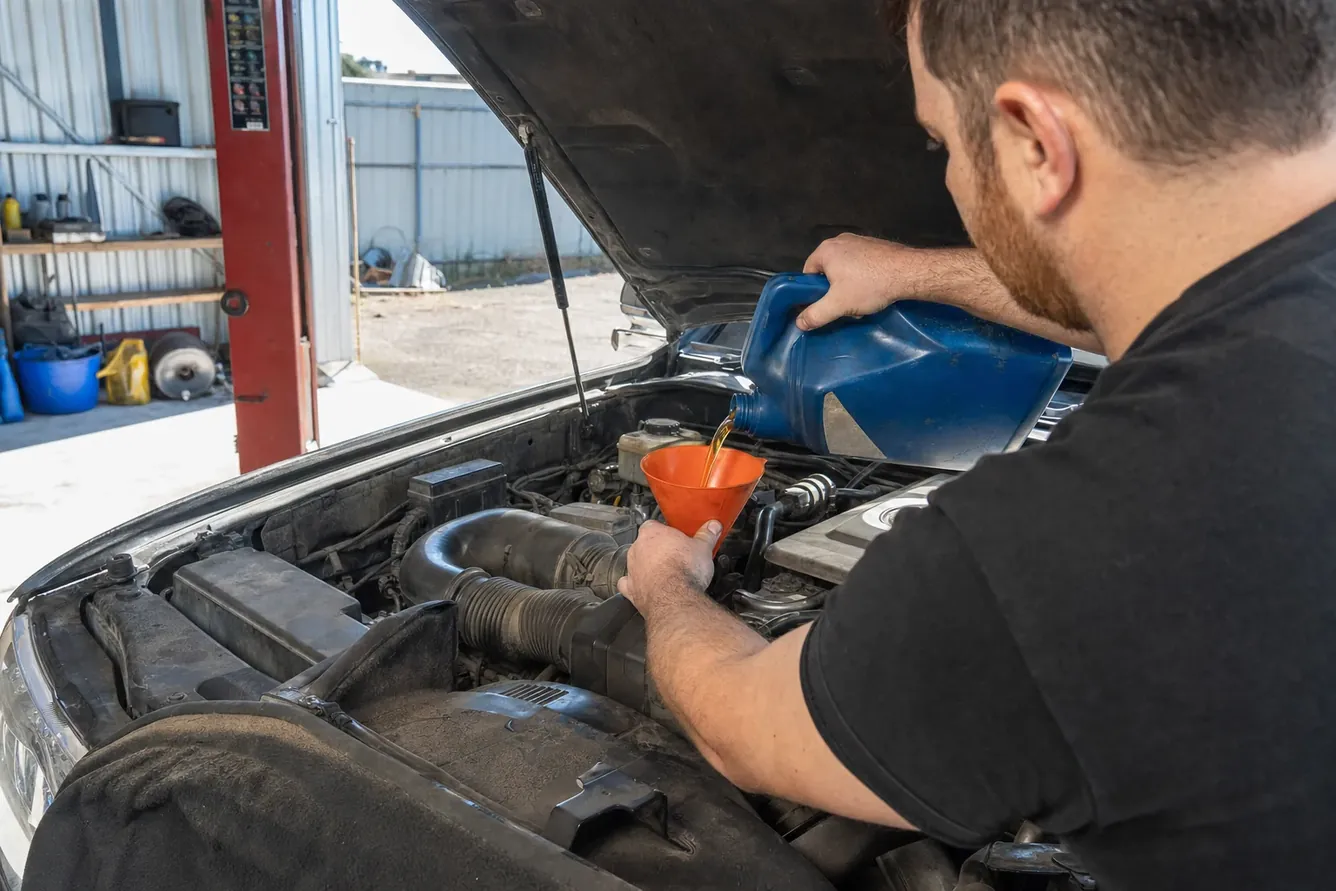
To address oil leaks properly, it’s important to have your vehicle checked and repaired by only a qualified mechanic. Transport WA also recommends checking your engine oil weekly to ensure safety.
Frequently Asked Questions
An oil leak usually appears as dark brown or black puddles under your car, or as greasy residue around engine components.
Yes. But urgency will always depend on the severity of the oil leak. It’s always best to bring to a mechanic for a qualified opinion.
Check under the car, inspect the engine bay, and look for wet or greasy areas around seals and gaskets.
Commonly, yes, but it’s not recommended as your vehicle is not in its safest state. A worsening oil leak in a car increases the risk of potential hazards.
Act Early, Avoid Bigger Problems
An oil leak might seem like a small issue at first, but it can quickly lead to serious engine problems if ignored. From reduced lubrication and overheating to complete engine failure, the risks increase the longer it’s left unresolved.
The key is recognising the early oil leak symptoms, understanding what causes an engine oil leak, and taking action before it escalates. Whether it’s a simple gasket oil leak or something more serious, early attention can save you time, money, and stress.
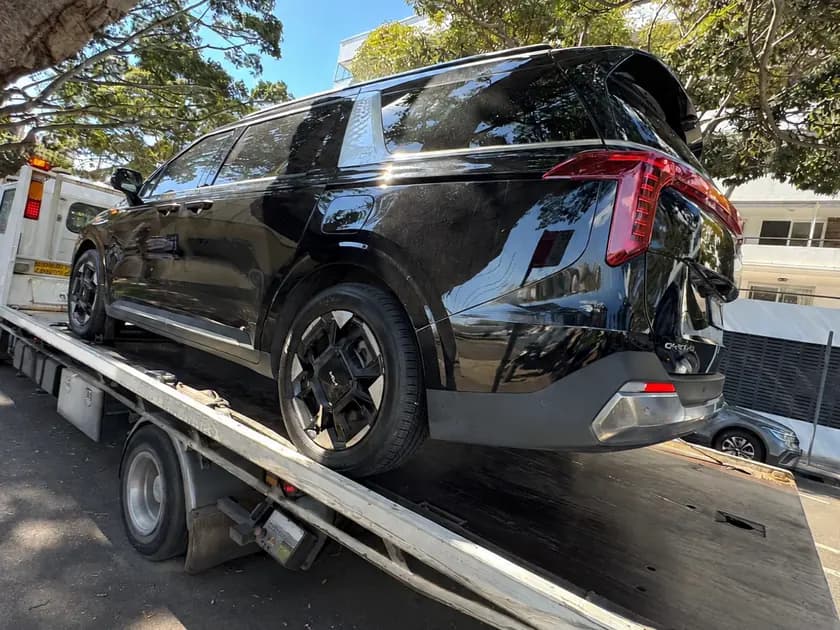
If your vehicle becomes unsafe to drive or you’re dealing with a sudden oil leak under the car, it’s best to avoid taking risks and have it checked as soon as possible. Give us a call for 24/7 towing support around Perth.