

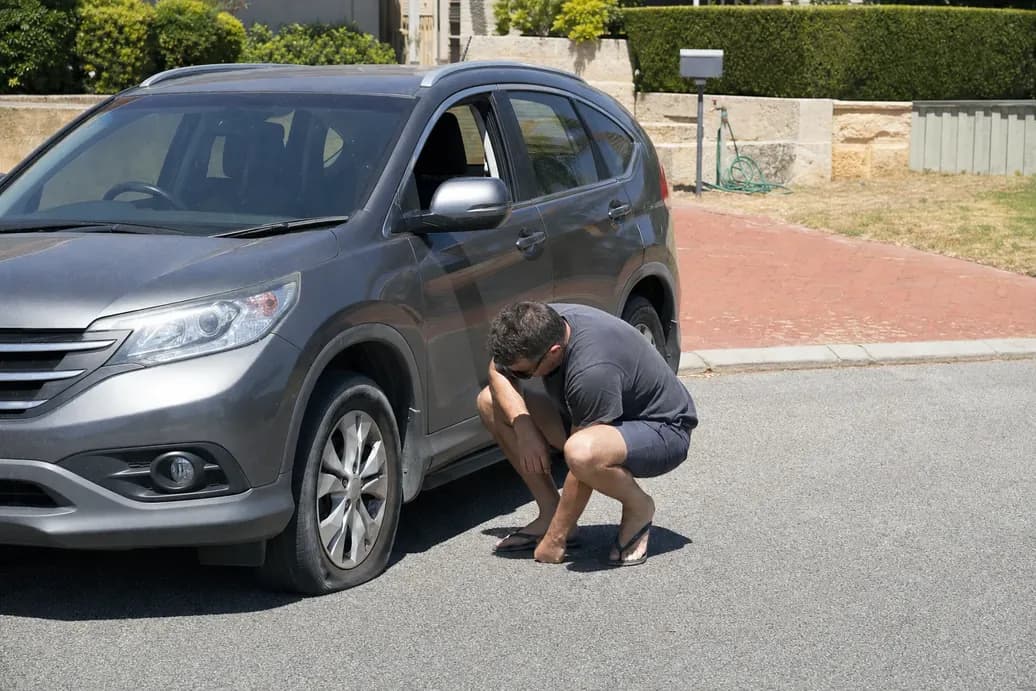
Doing a regular tyre check is one of the easiest ways to stay safe on the road. Roadworthy tyres improve braking, maintain control, reduce fuel costs, and help prevent unexpected breakdowns. Most tyre issues build up over time due to continuous use. Low pressure, worn tread, or hidden damage can all lead to serious problems if ignored.
Whether it’s a flat tyre on the roadside or a blowout on the highway, many of these situations could have been avoided with a simple inspection. If you want to learn how to check tyre condition, this guide will walk you through exactly what to look for and how to address what you find.
Check Before You Drive
- A regular tyre check improves safety, handling, and braking performance
- A tyre pressure check helps reduce fuel consumption and tyre wear
- Knowing your tyre age and reading the tyre age code prevents the continued use of unsafe tyres
- Learning how to check tyre tread standards keeps you compliant and safe
- Check tyre tread regularly to maintain proper road grip
- Monitor tread depth to reduce aquaplaning risks
- Regular checks lower breakdown risk and help you avoid emergency towing
Why Tyre Checks Are Critical for Safety
Tyre condition directly affects how your vehicle performs in real driving situations. Grip is the key factor in maintaining control, allowing your vehicle to accelerate, brake, and corner safely.
Your tyres are the only part of your vehicle that touches the road. Every movement depends on grip, the friction between the tyre and the road surface. When grip is reduced, control is reduced.
The Factors that Create Tyre Grip
- Friction – The force that allows tyres to transfer movement to the road
- Adhesion – Rubber bonding to the road’s microscopic surface
- Deformation – Tyre moulding into the road for better contact
- Contact Patch – The small area carrying all driving forces
- Temperature – Tyres need the right heat range for optimal traction
- Road Conditions – Water, dust, or gravel reduce available grip
Why Grip Matters
- Shorter braking distances
- Better steering response
- Stable cornering
- Safer handling in wet conditions
If grip is compromised, your vehicle cannot respond properly to driver input, especially in emergency situations.
The Risks of Ignoring Tyre Maintenance
Tyre issues often develop gradually and are easy to overlook. Left unchecked, they lead to reduced performance, unsafe driving conditions, and unexpected breakdowns.
Pressure Issues and Their Impact
Tyre pressure directly affects how your vehicle grips the road and responds to input.
- Under-inflated tyres increase heat buildup, wear faster, and can lead to failure
- Overinflated tyres reduce road contact, limiting grip and braking performance
Even small pressure changes can affect handling. Regular checks help keep your vehicle stable and predictable.
Visible Damage You Should Never Ignore
Some tyre damage is easy to spot but often ignored until it becomes serious.
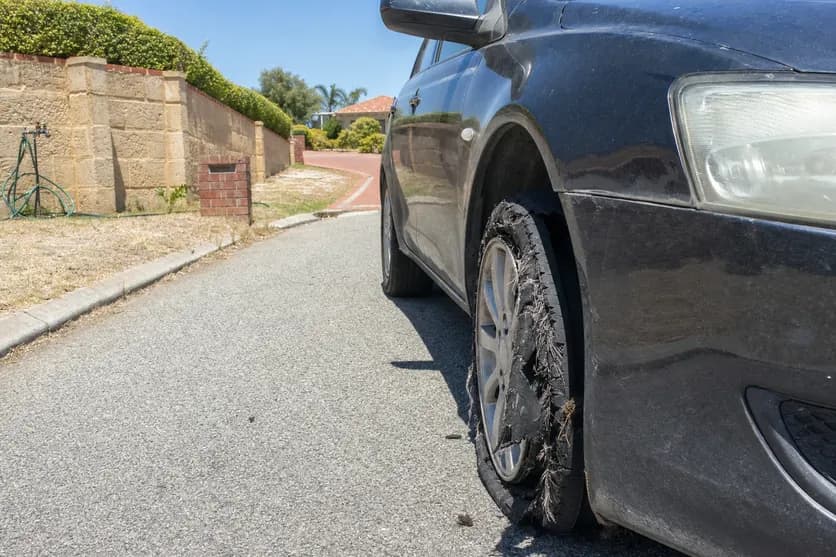
- Cuts or cracks in the rubber
- Bulges or swelling along the sidewall
- Objects embedded in the tyre
These issues weaken the tyre’s structure and increase the risk of a blowout. If you notice any of these signs, act immediately.
Uneven Wear and Hidden Issues
Uneven tyre wear often signals underlying problems beyond the tyre itself.
It may point to:
- Wheel misalignment
- Suspension issues
- Incorrect tyre pressure
Check the full tread surface for inconsistencies. Uneven wear reduces stability and grip, especially during braking and cornering.
Tyre Maintenance Benefits Overview
A simple tyre routine delivers clear benefits across safety, performance, and cost.
| Area | Benefit of Regular Tyre Check |
|---|---|
| Safety | Improved braking, grip, and control |
| Fuel Efficiency | Reduced fuel consumption |
| Cost Savings | Longer tyre lifespan |
| Performance | Smoother handling and comfort |
| Reliability | Lower risk of breakdowns |
How to Perform a Proper Tyre Check
A proper tyre check only takes a few minutes, but it makes a big difference to safety and performance. The key is knowing exactly what to look for and checking consistently, not just when something feels wrong.
Tyre Pressure Check
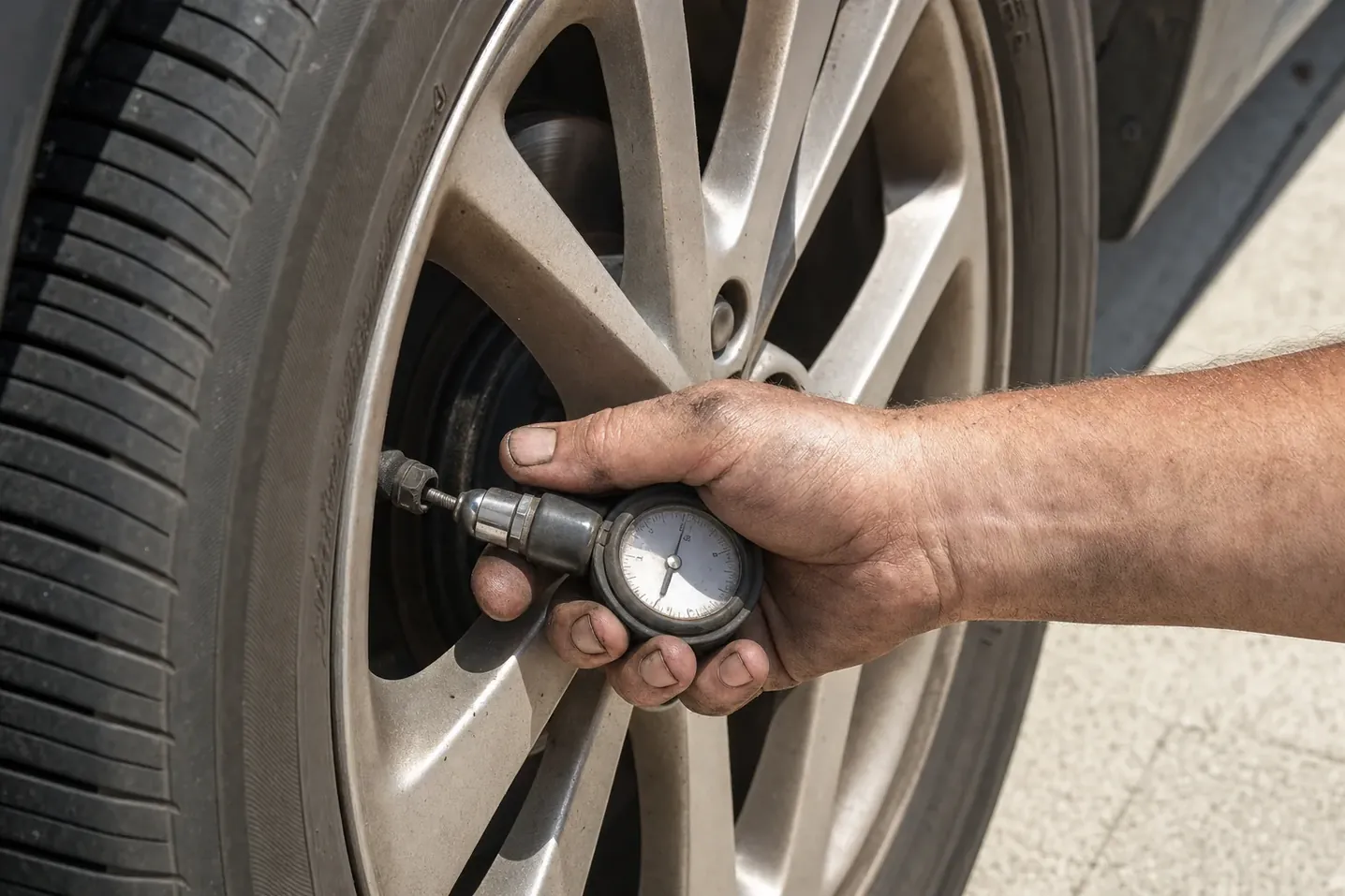
Start with tyre pressure. It has the biggest impact on safety, handling, and fuel efficiency.
Check your pressure at least once a month and before long trips. Use the recommended PSI from your vehicle manufacturer, not the number on the tyre itself. Correct pressure keeps your tyres stable, improves braking, and prevents uneven wear.
Check Tyre Tread Depth
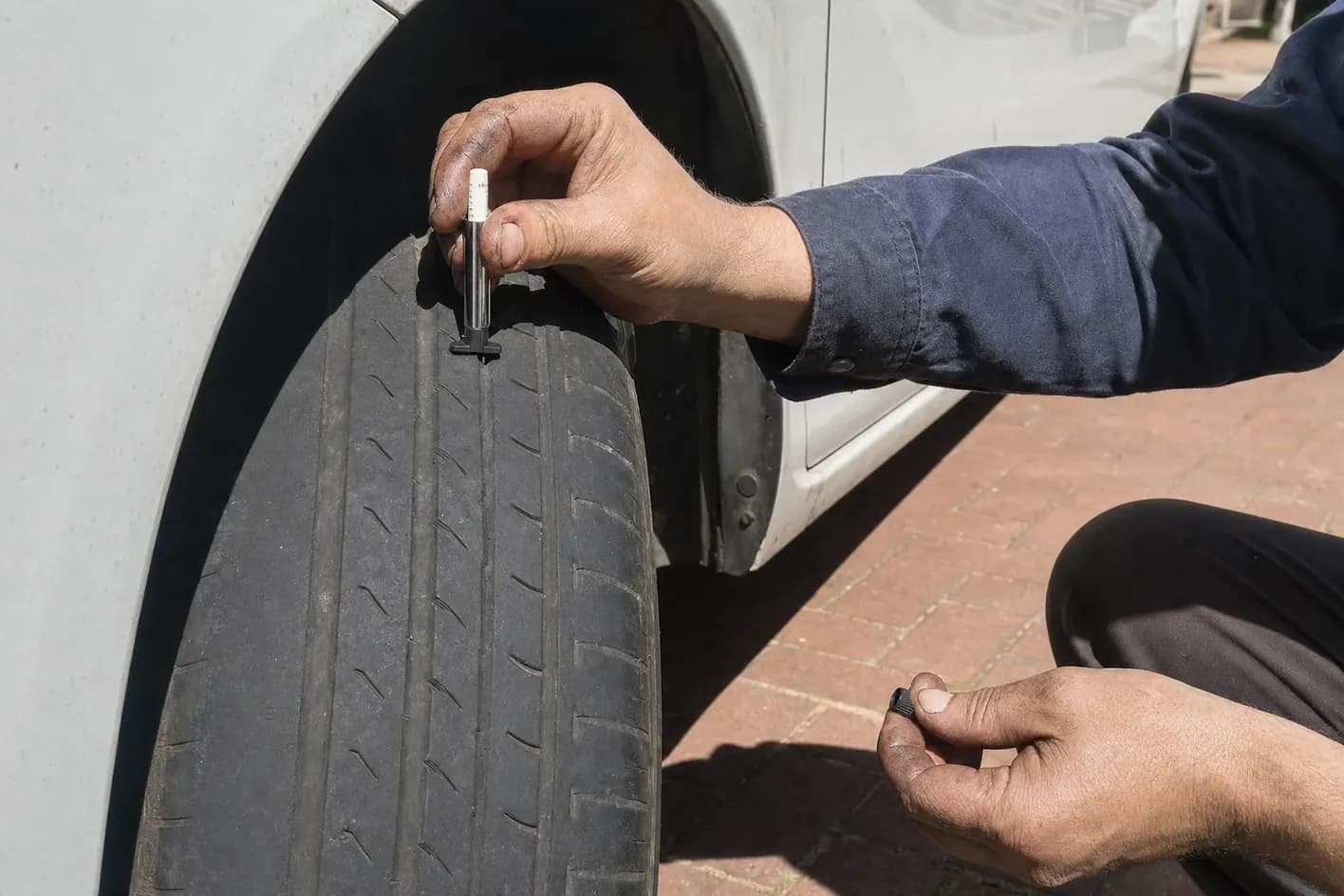
Tread depth is what allows your tyres to maintain grip, especially in wet conditions.
In Western Australia, the minimum tread depth is 1.5mm as required by Transport WA. However, waiting until this point reduces performance. Replacing tyres earlier gives you better traction, shorter braking distances, and more control in the rain. Always check across the full tread, not just one section.
Investigate the Tyre Age
Even if a tyre looks fine on the surface, the rubber of tyres naturally hardens and degrades over time, reducing grip and increasing the risk of failure.
You can check the tyre’s age by reading the DOT code on the sidewall, where the last four digits show the week and year it was manufactured. As a general guide, manufacturers recommend that tyres older than six years be replaced. Staying on top of tyre age helps you avoid hidden risks and keeps your vehicle safe and reliable on the road.
Look for Visible Damage
A quick visual inspection can reveal problems before they become dangerous.
Look for:
- Cuts or cracks in the rubber
- Bulges or swelling on the sidewall
- Nails, screws, or debris embedded in the tyre
These weaken the tyre structure and increase the risk of sudden failure.
Examine the Condition of the Spare Tyre
Your spare tyre is your backup when things go wrong, but it’s often overlooked.
Check that it’s properly inflated and in good condition. The last thing you want during a breakdown is a spare that isn’t usable. A quick check ensures you’re prepared when you need it most.
What Makes a Good Tyre? A Quick Buyer’s Guide
Choosing the right tyre isn’t just about price. A good tyre improves safety, handling, and reliability every time you drive. The right choice gives you better grip, shorter braking distances, and more confidence on the road.
If you’re replacing tyres or upgrading, here’s what to focus on.
Key Features to Look For
- Strong grip performance – Look for tyres designed for both dry and wet conditions
- Durable rubber compound – Longer lifespan and consistent performance over time
- Effective tread pattern – Helps channel water away and reduce aquaplaning
- Correct load and speed rating – Must match your vehicle’s requirements
- Low rolling resistance – Improves fuel efficiency and reduces running costs
Choosing the Right Tyre for Your Driving
Not all tyres are built the same. The best option depends on how and where you drive.
- City driving – Focus on comfort, low noise, and fuel efficiency
- Highway driving – Prioritise durability and stability at higher speeds
- Wet conditions – Choose tyres with strong water dispersion and grip
- Heavy loads – Ensure higher load ratings for safety and performance
A quality tyre matched to your driving conditions reduces wear, improves safety, and helps you avoid unexpected issues on the road. If you’re unsure which tyre is right for your vehicle, it’s always best to speak with a trusted supplier who can guide you based on your driving needs.
Frequently Asked Questions
You should perform a tyre check at least once a month and before long trips.
Use a reliable gauge and compare the reading to your vehicle’s recommended PSI levels.
If you’re unsure how to check tyre tread Australian standards, replace tyres before they reach 1.5mm.
The tyre age code shows the manufacturing date of the tyre and helps determine if it is still safe to use.
Tyres degrade over time. Monitoring tyre age ensures your tyres remain safe and reliable.
Keeping Your Vehicle Road-Ready
Regular tyre checks keep your vehicle safe, stable, and predictable on the road. They help maintain grip, improve braking, and reduce the risk of sudden failures. What takes a few minutes today can prevent serious problems later. Tyre issues rarely happen without warning. Staying consistent with simple checks puts you in control and helps you avoid unnecessary risk.
If something doesn’t feel right or you’re unsure what you’re seeing, it’s always better to act early and stay safe.
If you ever need towing assistance due to a tyre-related breakdown, we’re available 24/7 with fast, reliable support.