

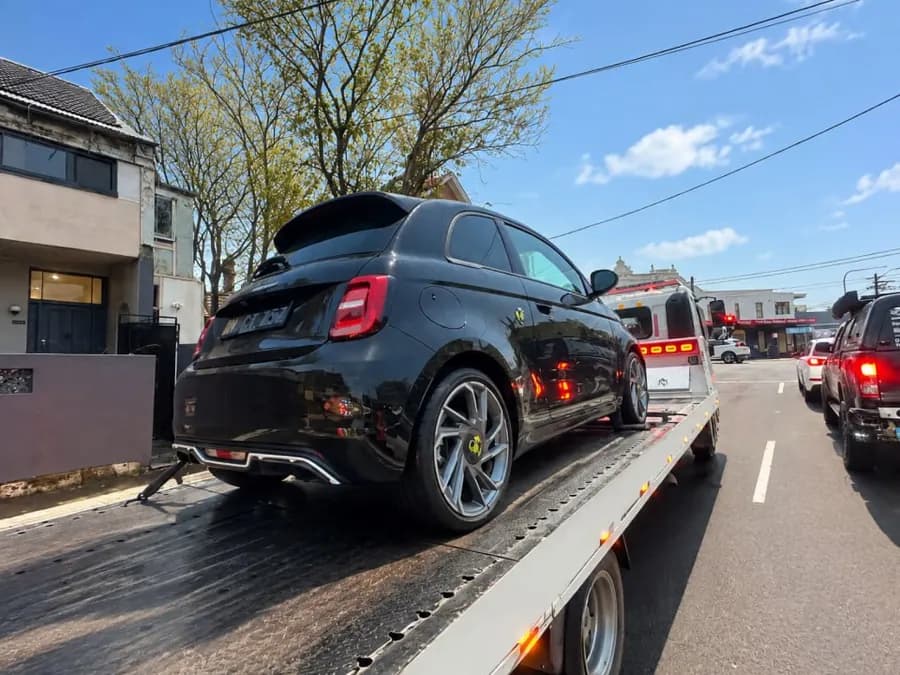
Towing an automatic car can only be considered safe if the correct towing method is used. Most automatic vehicles should be transported on a tilt tray truck to reduce the risk of transmission damage. Incorrectly doing the tow can lead to expensive repairs that can easily be avoided with the right knowledge.
This guide explains how towing an automatic car differs from towing a manual vehicle, the safest transport methods, common mistakes to avoid, and what to check before your vehicle is moved.
Before You Tow
Automatic transmissions are designed differently from manual gearboxes, which means they often require extra care during towing. Understanding the correct transport method can help prevent unnecessary mechanical damage and costly repairs.
- Most automatic vehicles are safest on a tilt tray truck.
- Incorrect towing of an automatic car can damage the transmission.
- Putting the gearbox into Neutral does not always protect the transmission.
- Manufacturer towing instructions should always be followed.
- The correct towing method depends on the vehicle’s drivetrain.
Can You Tow an Automatic Car?
The simple answer is yes. However, every vehicle is engineered differently, so the safest towing method depends on the transmission design, drivetrain configuration and the manufacturer’s recommendations.
Many people assume any vehicle can simply be pulled behind another car, but that isn’t always true for modern automatics. Professional automatic car towing is meant to minimise unnecessary movement inside the transmission while keeping the vehicle secure throughout transport.
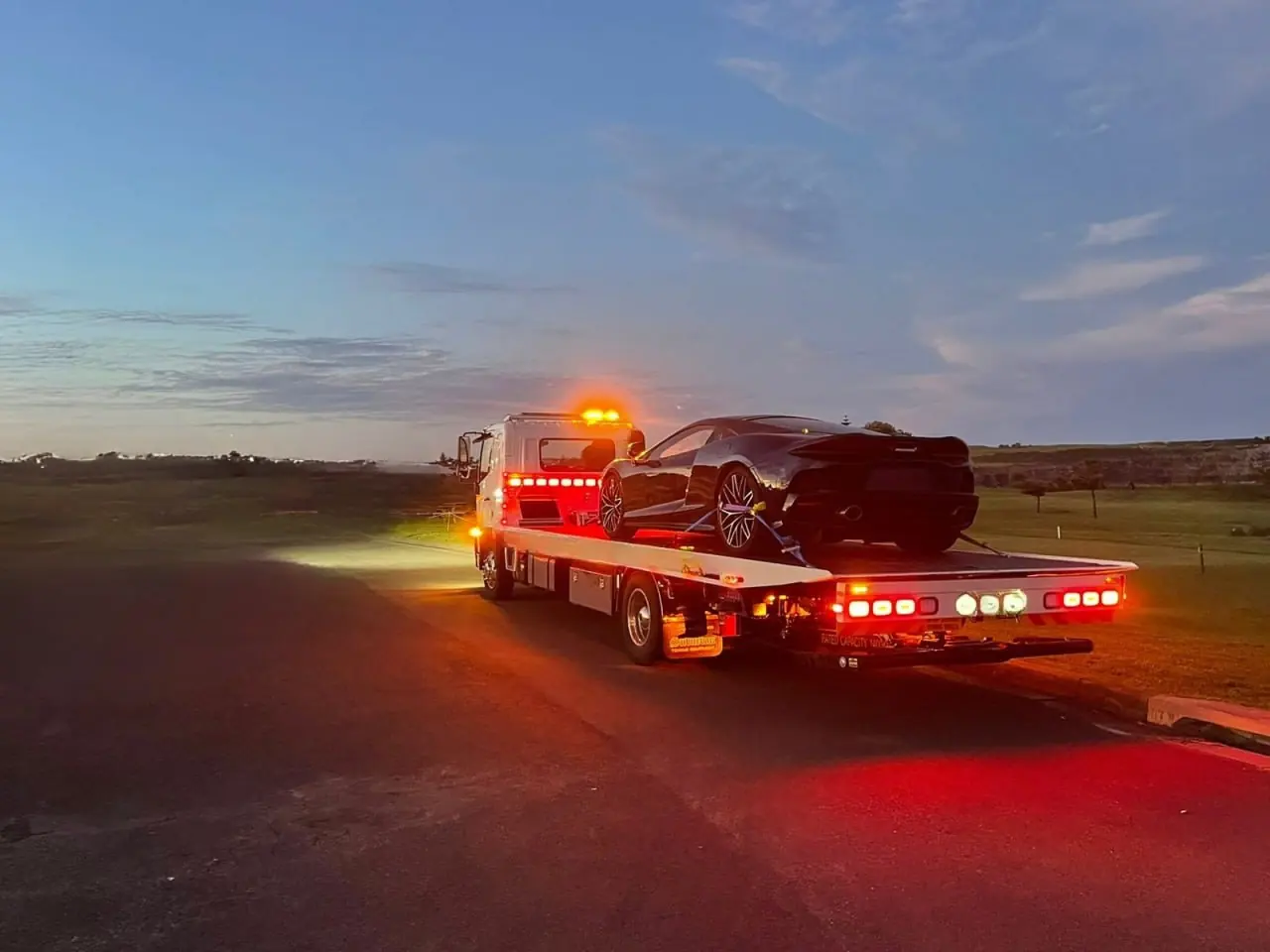
Before towing an automatic car, it’s always worth checking the owner’s manual. Vehicle manufacturers provide model-specific instructions that should take priority over general towing advice found online.
| Towing Method | Suitable for Most Automatic Vehicles? | Risk of Transmission Damage |
|---|---|---|
| Tilt tray (flatbed) | Yes | Very low |
| Tow dolly | Sometimes | Depends on the vehicle |
| Flat towing (four wheels on the road) | Rarely | High unless approved by the manufacturer |
| Tow rope | Generally not recommended | High |
Why Automatic Cars Need Special Care When Being Towed
Automatic transmissions operate differently from manual gearboxes. Their internal components rely on transmission fluid for lubrication and cooling while the engine is running.
When the engine is switched off, the transmission pump usually stops circulating fluid. If the drive wheels continue turning during transport, internal components may rotate without adequate lubrication, increasing the risk of heat build-up and wear.
This is one reason why towing an automatic vehicle requires more planning than many drivers expect. Even relatively short journeys can create unnecessary stress on the transmission if the wrong towing method is used.
We’ve occasionally attended recoveries where a vehicle had already been towed incorrectly before reaching us. In some cases, the original mechanical problem was relatively minor, but the transmission had suffered additional damage because the vehicle was dragged instead of being properly transported. Situations like these reinforce why choosing the correct towing method is just as important as repairing the initial fault.
| Vehicle Type | General Towing Consideration |
|---|---|
| Front-wheel drive | Drive wheels should usually remain off the ground. |
| Rear-wheel drive | The towing method depends on manufacturer recommendations. |
| All-wheel drive (AWD) | Tilt tray transport is usually preferred. |
| Four-wheel drive (4WD) | Often requires specialised towing procedures. |
The Safest Ways to Tow an Automatic Car
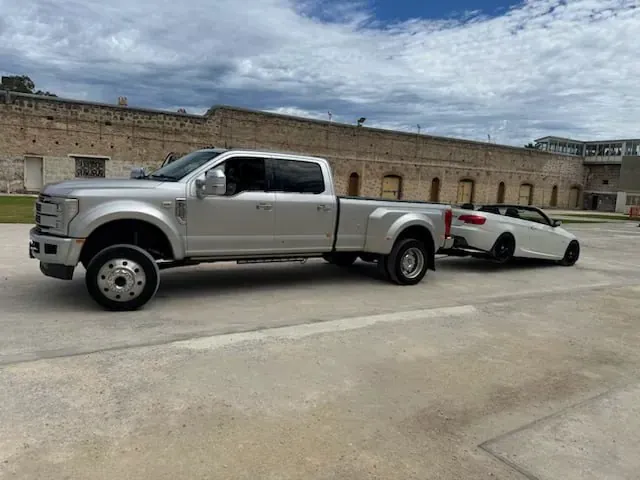
Not every towing method is appropriate for every vehicle, but professional towing operators generally favour methods that prevent unnecessary transmission movement.
If you ever need to tow an automatic car, understanding the differences between each transport method can help you make an informed decision.
Tilt Tray Towing
A tilt tray truck is widely regarded as the safest option for transporting most automatic vehicles. The entire vehicle is loaded onto the tray so all four wheels remain off the road throughout the journey.
Because the wheels are not turning, the transmission remains stationary during transport. This greatly reduces the chance of unnecessary wear and makes tilt tray trucks suitable for breakdowns, accident recovery and long-distance transport.
In day-to-day towing, tilt tray trucks are the method we rely on for the vast majority of automatic vehicles. Loading the vehicle completely onto the tray removes uncertainty about drivetrain compatibility and helps avoid unnecessary movement that could damage expensive transmission components.
Tow Dolly
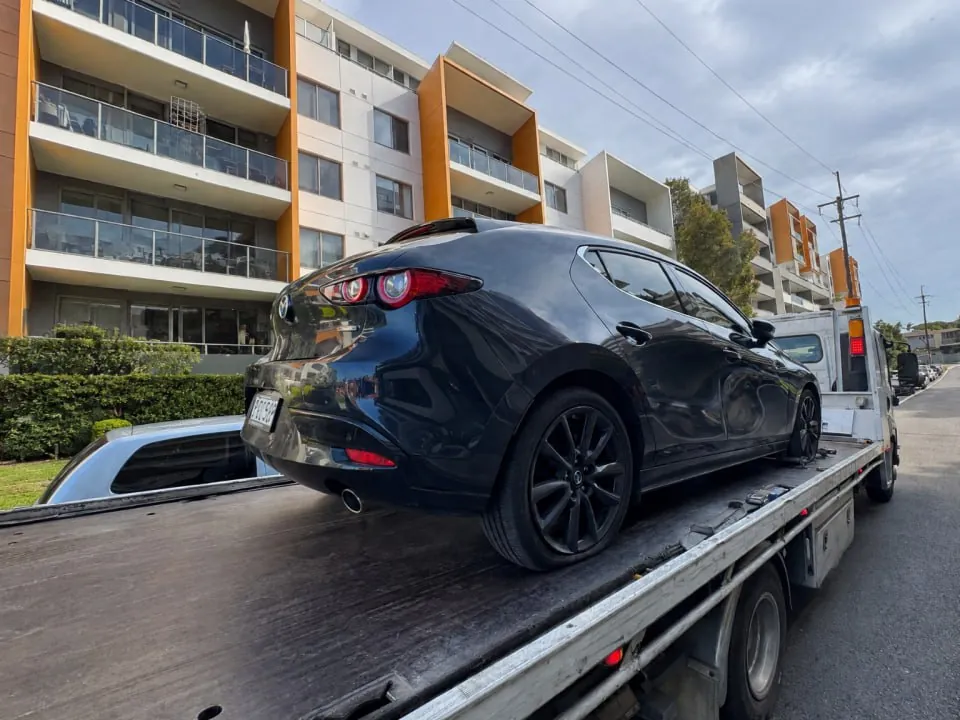
A tow dolly lifts one end of the vehicle while the other wheels remain on the road. This method can be suitable for some vehicles, particularly when the drive wheels are raised, but it is not appropriate for every automatic transmission.
Before using a tow dolly, always confirm that the manufacturer permits this method for your specific vehicle.
Flat Towing
Flat towing involves pulling the vehicle with all four wheels on the road. While some vehicles are designed for this type of transport, many automatic vehicles are not.
Can an automatic car be towed using this method? Some vehicles permit flat towing under strict conditions, while others require transport on a tilt tray every time.
Common Mistakes to Avoid When Towing an Automatic Car
Many transmission problems happen because the wrong towing method is used rather than because of the original breakdown. Understanding these common mistakes can help protect your vehicle and avoid unnecessary repair costs.
Whether your vehicle has stopped unexpectedly or needs transporting to a workshop, avoiding these errors will make towing an automatic car much safer.
Assuming Neutral Prevents Damage
One of the most common misconceptions about towing an automatic car is that selecting Neutral completely protects the transmission. While Neutral changes how the gearbox operates, it does not necessarily stop internal components from rotating.
Without the engine running, many automatic transmissions are unable to circulate transmission fluid properly. As a result, moving parts may continue operating without adequate lubrication, increasing the likelihood of wear and overheating.
Ignoring the Owner’s Manual
Every manufacturer provides towing instructions for its vehicles. These recommendations are based on the vehicle’s transmission, drivetrain and engineering rather than a one-size-fits-all approach.
Ignoring these instructions may result in transmission damage, drivetrain wear or expensive repairs that could have been avoided by using the correct towing method.
Using a Tow Rope Behind Another Vehicle
Although tow ropes may appear convenient, they are generally not the safest solution for modern automatic vehicles. Maintaining safe braking distances, steering accurately and controlling both vehicles can become difficult, particularly in traffic or emergency situations.
If you need to tow an automatic car after a breakdown, professional vehicle transport is usually the safer alternative.
Using the Wrong Towing Method
The correct towing method depends on whether the vehicle is front-wheel drive, rear-wheel drive, all-wheel drive or four-wheel drive. Using the wrong technique may place unnecessary stress on the transmission, differential or transfer case. For this reason, professional operators assess the vehicle before deciding how it should be transported.
It’s also common for drivers to assume that two vehicles with automatic transmissions can be towed the same way. In reality, even different models from the same manufacturer may have different towing requirements, which is why checking the owner’s manual is always the safest approach.
Attempting DIY Towing Without Proper Equipment
Attempting to move a disabled vehicle without suitable equipment increases the risk of damage to the body, suspension and mechanical components. Incorrect attachment points or poor load security can also create hazards for other road users, according to the Government of Western Australia.
Purpose-built towing equipment is designed to transport vehicles safely while reducing the likelihood of additional damage during the journey.
What to Check Before Towing an Automatic Car
Before moving any disabled vehicle, it’s worth taking a few minutes to confirm the safest transport method. A quick assessment can prevent unnecessary mechanical damage and make the recovery process much smoother.
If you’re unsure about towing an automatic car, the following checks are a good place to start.
- Read the owner’s manual for the manufacturer’s towing recommendations.
- Identify whether the vehicle is front-wheel drive, rear-wheel drive, AWD or 4WD.
- Consider whether the vehicle has accident damage that may affect towing.
- Think about how far the vehicle needs to be transported.
- If you’re uncertain, arrange professional assistance instead of taking unnecessary risks.
These simple checks can help prevent transmission damage and ensure the vehicle reaches its destination safely.
Frequently Asked Questions
Sometimes, but not always. Selecting neutral does not automatically make every automatic vehicle safe to tow. Many transmissions still have internal components that can rotate while the engine is off, increasing the risk of damage if lubrication is insufficient. Always follow the manufacturer’s towing recommendations before moving the vehicle.
Yes. For most situations, a tilt tray is considered the safest option because all four wheels remain off the road. This reduces the likelihood of unnecessary transmission or drivetrain movement during transport.
Professional towing companies commonly recommend tilt tray trucks for automatic vehicles, particularly after breakdowns or accidents.
Yes. Incorrect towing of an automatic car practices can cause serious transmission damage if internal components continue rotating without adequate lubrication.
Yes, but it’s generally safest to have it recovered using a professional tilt tray truck.
Accidents can damage steering, suspension, wheels or drivetrain components that aren’t immediately visible. A professional recovery helps prevent additional damage while transporting the vehicle to a repairer or insurance assessment centre.
Making the Right Towing Choice
Towing an automatic car can be done safely when the correct method is used. Understanding how automatic transmissions work, following the manufacturer’s recommendations and choosing an appropriate towing method all help reduce the risk of costly mechanical damage.
If you’re ever unsure about the safest way to move your vehicle, it’s better to confirm the correct procedure than risk damaging the transmission. A little extra care during recovery can save significant repair costs later.
If you need help with towing an automatic car in Perth, Quokka Towing provides safe vehicle transport using modern tilt tray trucks. Our experienced team is available 24/7 to assist with breakdowns, accident recovery and planned vehicle transport. Contact us today for prompt assistance or a free, no-obligation quote.