

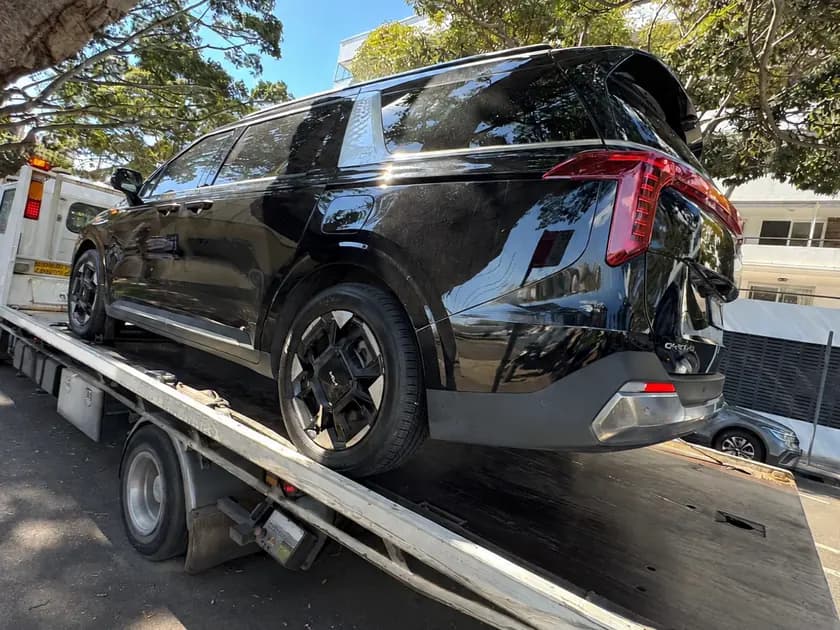
Towing regulations in WA didn’t come out of nowhere. Legislators realised that there’s lack of clarity about this topic as there were too many Perth drivers who were left confused, pressured, or overwhelmed after accidents, right when they were most vulnerable.
Over time, accident towing drew attention for the wrong reasons. According to Consumer Protection WA, legislation became necessary as there were reports that some towing operators were overcharging, using pressure tactics, and taking advantage of people involved in crashes.
What Changed Under the New Rules
Western Australia introduced structured rules to bring clarity, consistency, and accountability to accident towing. The goal wasn’t to punish the industry, but to protect drivers when they’re shaken, injured, or unsure of their rights.
In practical terms, the changes include:
- Fee caps to prevent inflated accident towing charges.
- Clear limits on after-hours and weekend surcharges.
- Rules around how and when storage fees can be applied.
- Mandatory Authority to Tow documentation before a vehicle is moved.
- Higher compliance standards, including documentation and reporting.
These rules are overseen by Transport WA, with a clear focus on reducing pressure at crash scenes and improving transparency for drivers.
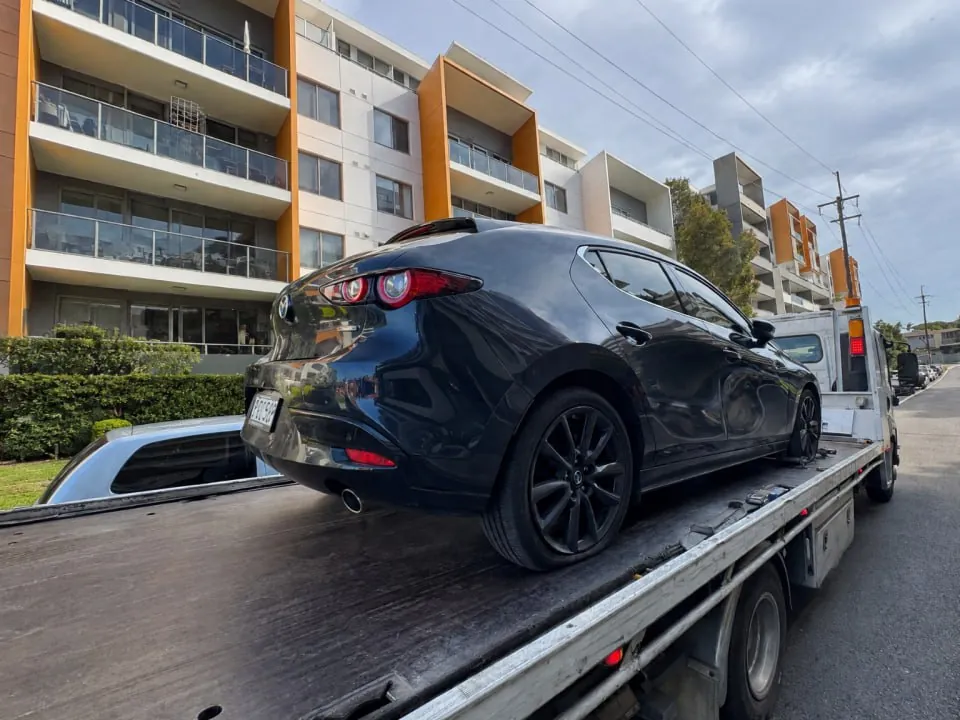
New Tow Truck Laws Introduced in WA
The regulation of Western Australia’s towing industry has continued to evolve. On 1 July 2026, additional tow truck laws came into effect, introducing licensing requirements for towing businesses, new standards for authorised drivers, and stronger oversight across the industry.
These changes build on the earlier accident towing reforms by strengthening accountability across the entire industry. They include business authorisation requirements, fit and proper person assessments, mandatory driver accreditation, and clearer compliance obligations designed to improve professionalism and protect motorists.
If you’d like a full breakdown of the latest reforms, including what they mean for Perth drivers and towing operators, read our guide on the new tow truck laws in WA.
Why Regulation Became Necessary
It’s important to be honest here. These rules were a response to real problems, not hypothetical risks.
Media coverage and formal complaints documented repeated issues around accident towing. Drivers described being rushed into decisions, told they had no alternatives, or handed invoices they didn’t understand. In some cases, people were being extorted in vulnerable situations.
That reality matters. The regulations didn’t appear overnight. They were introduced because enough harm had occurred to justify intervention. According to Transport WA, drivers needed to be protected against the bad behaviour and price gouging by some towing companies. It’s disappointing that a few people doing the wrong thing forced the whole industry to be regulated, but the need to protect customers was real.
The Impact on Tow Truck Drivers
For drivers who always did the right thing, accident towing didn’t need regulation. But the changes apply to everyone, regardless of intent.
Today, accident towing involves:
- Lower earnings per job than in the past.
- Much more administrative work.
- Dash cams, filming, and detailed reporting.
- Greater scrutiny at every accident scene.
Accident towing now requires being far more meticulous. There’s less money and more work. Because of that, accident towing is less appealing for a lot of drivers, and there’s less competition around accident towing now. You can argue for or against whether drivers earn more or less overall, but overall, towing businesses can expect to earn less from accident towing.
That’s disappointing from an industry point of view, even when you understand why the changes were made.
What This Means for Perth Drivers at Accident Scenes
From a driver’s perspective, the effect of these regulations is easier to understand when broken down clearly.
| Area | Before Regulation | After Regulation |
|---|---|---|
| Accident towing fees | Often unclear | Capped and transparent |
| Pressure at crash scenes | Common complaint | Reduced through Authority to Tow |
| Storage charges | Open-ended | Limited and regulated |
| Driver confidence | Low | Higher and more informed |
The principle is simple. No one should be trying to extort people when they’re in a vulnerable situation. These rules aim to remove fear and confusion when drivers are already dealing with shock.
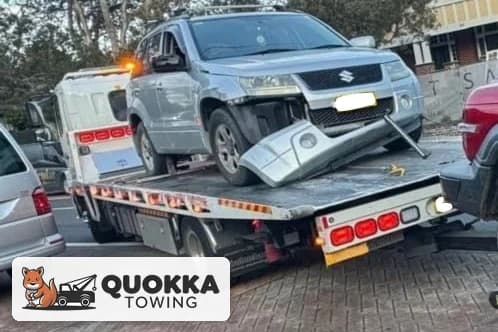
Is Accident Towing Still Viable for Ethical Operators?
Yes, but it has changed.
Accident towing now pays less per job, but it has also reduced the behaviour that damaged public trust. Ethical operators can still operate sustainably by balancing accident towing with breakdowns, scheduled transport, and long-term customer relationships.
There’s a lot more responsibility involved now, but that responsibility aligns with what customer-focused towing should look like.
Why These Changes Benefit Drivers Overall
Looking at the bigger picture, the benefits for Perth drivers are clear:
- Predictable and transparent towing costs.
- Less pressure during stressful accident scenes.
- Protection when drivers are injured or shaken.
- Clear understanding of who is towing the vehicle and why.
Accident towing in Perth should never feel intimidating. These regulations help ensure drivers understand their rights and are treated fairly when they need support most.
Will Response Times Be Affected?
This concern is understandable. Some operators have stepped away from accident towing because the work pays less and requires more compliance, which can reduce competition in some areas.
At the same time, critical situations still need a fast, professional response. Responsible operators hope these rules don’t deter responsiveness to accidents and breakdowns. Perth roads still rely on prompt, professional towing support.
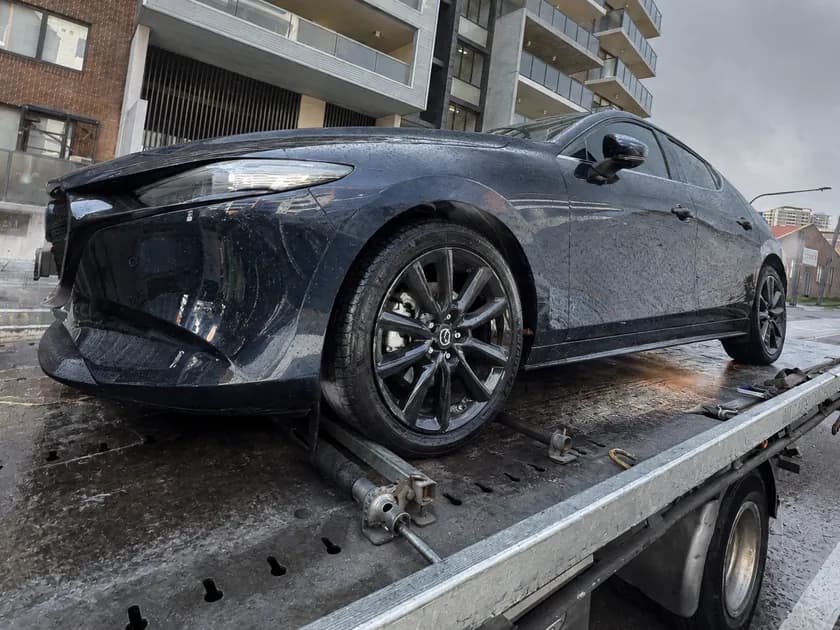
Accident Towing FAQs
Yes. Accident towing across Perth and Western Australia must comply with state towing regulations.
Fee caps exist to prevent overcharging and protect drivers during vulnerable moments after a crash.
In the Towing Services Regulations of 2025 by the Government of Western Australia, the Authority to Tow is a required consent document that must be signed by both the driver and the towing worker before a vehicle can be removed from an accident scene.
They improve protections, but professionalism still matters. Ethical operators follow both the law and customer-first practices.
A Responsible Industry Perspective
The regulations are supported, even if it’s frustrating that misconduct forced change. Drivers now earn a lot less money for accident towing, and there’s a lot more work involved. That’s the trade-off. At the same time, there were genuine reasons to protect customers. Perth roads need to be protected, and drivers deserve clarity, fairness, and respect.
If regulation is what it takes to ensure no one feels rushed, threatened, or confused after an accident, then the industry has a responsibility to uphold it.