

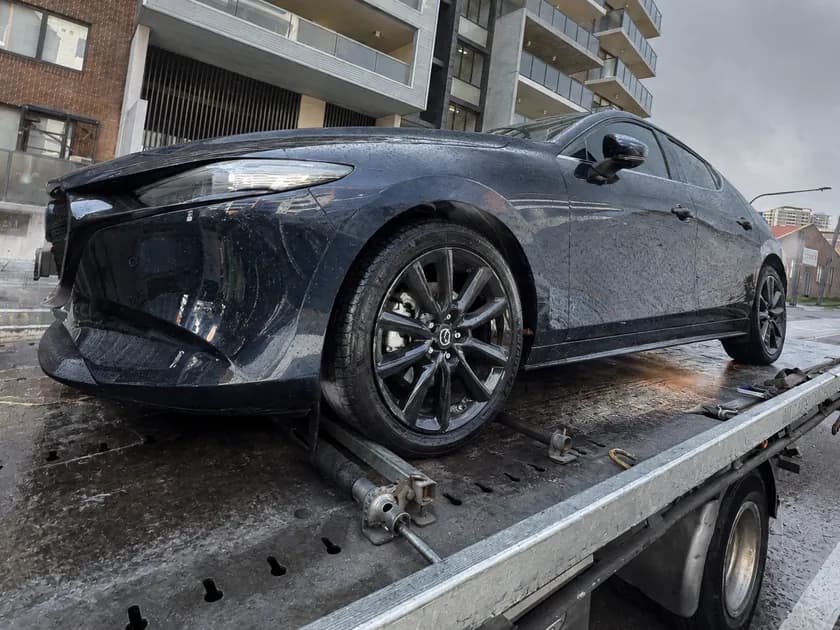
If you find yourself in a car crash, being unaware of the correct way of handling the situation makes the experience overwhelming. Knowing what to do after a car accident creates the ability to control the situation, protecting yourself from any unnecessary problems.
As we’ve helped countless Perth drivers through roadside incidents, we’ve seen how these accidents commonly play out. Some also have factors that may complicate the situation, such as the involvement of other cars or pedestrians. This guide gives clear, step-by-step advice so you know how to act in those first critical moments after a car crash.
Car Accident Procedure
- If the car is moving, stop immediately at a safe location.
- Switch on the hazard lights and turn off the engine.
- Check for injuries and call 000 if anyone is hurt or trapped.
- Apply the first aid DRSABCD action plan if necessary.
- Move vehicles out of traffic only if it is possible and safe to do so.
- Exchange names, contact numbers, vehicle registration, and insurer details.
- Photograph the scene, the damage, and the vehicle plates.
- Note the time and place.
- Contact your insurer and keep all evidence.
- If the vehicle is immobile or unsafe, call a trusty 24/7 towing company.
The First Crucial Steps
The first moments after a crash matter most. Taking calm, clear steps helps protect you, your passengers, and others on the road. Focus on safety above everything else before dealing with paperwork or the condition of your vehicle.
Secure the Scene
If your vehicle is still mobile after the accident, pull over immediately out of the flow of traffic, to the side of the road. Turn on hazard lights to warn other road users.
If the car smells of fuel, or if you detect the presence of smoke, switch off the engine and move everyone to a safe distance. A vehicle fire is highly dangerous, so keeping away from the vehicle is of utmost priority.
First Aid Using the DRSABCD Action Plan
Quickly check yourself and your passengers. Then check the other vehicle’s occupants, only if it is safe to do so. If someone is hurt, the DRSABCD first aid plan can help you keep them safe until emergency crews arrive. These steps are based on the HealthDirect Australia first aid guidelines. Keeping calm and following these steps helps protect the injured person while you wait for paramedics.
- D for Danger: Make sure the area is safe for you, your passengers, and the injured person.
- R for Response: Check if the injured person is conscious. Speak to them, tap their shoulder, and assess if they respond.
- S for Send for Help: Call 000 immediately if there is any sign of injury, unconsciousness, or breathing difficulty.
- A for Airway: If the person is unconscious, gently open their airway by tilting the head back.
- B for Breathing: Check for normal breathing. If they’re not breathing, start CPR right away.
- C for CPR: Push hard and fast in the centre of the chest. Continue until help arrives or the person recovers.
- D for Defibrillator: If an Automated External Defibrillator is available, follow its instructions. Many public areas now have them installed.
Move the Vehicle if Safe
From 2020 to 2024, with accidents where at least one person was killed or severely injured, 60% of these happened on 50km/h roads or faster, according to the Government of Western Australia. This data shows that a high percentage of accidents happen on roads with fast-moving traffic. If both cars can be driven and there is no serious injury, moving them to the side of the road is of utmost importance for everyone’s safety. If the vehicle cannot be driven due to any form of damage or significant fluid leaks, do not risk driving it. Move away from the road and arrange towing or roadside assistance instead.
Call Emergency Services When Needed
If anyone is injured, trapped, or if there is a serious hazard such as fire, fuel spill or major obstruction, dial 000 immediately. Call the police if a driver appears intoxicated or refuses to cooperate.
If the situation is minor and nobody is hurt, some states allow those involved to move vehicles and exchange details without waiting for police. Still, note the situation carefully and report it later.
Exchanging Details and Documenting the Scene
Once any immediate danger has passed, collect proper documentation, as this protects you for later. Noting the right details helps insurers and authorities understand what happened. Clear, accurate information will make the processing of claims far smoother.
Share Essential Information
If the accident involved two or more vehicles, exchange details with the other drivers calmly and clearly. Keep everything simple and factual. Here are the important details to document:
- Full name and phone number.
- Address.
- Vehicle registration number.
- Insurance provider and policy details.
- Driver’s licence information.
- Vehicle owner’s details, if the driver is not the owner.
These details help your insurer assess the incident. Stay polite and avoid discussing fault amongst those involved, as this will be handled by the insurance companies and, if required, the police.
Take Photographs of the Accident
Clear photos make a big difference in protecting you during the claims process. Good photos help explain exactly what happened and prevent misinterpretation later. Take wide and close-up shots covering the following:
- Visible damage on every vehicle.
- Number plates.
- Vehicle positions before moving them.
- Skid marks, debris and fluid leaks.
- Road layout, traffic lights, roundabouts, or signs.
- Weather conditions, lighting, and any hazards.
Keeping Notes
Once you have taken photos, write down or record a few key details while the incident has just occurred. Taking notes helps your insurer and the police understand the circumstances of the accident. Include the following:
- Date and time of the crash.
- Exact location, such as street name, intersection, or nearby landmarks.
- Weather and traffic conditions.
- The speed you were travelling before the collision.
- A simple description of how the crash occurred.
Gather Witness Information
If bystanders saw the crash, ask for their contact details. Independent witnesses help confirm what happened, especially if the drivers are at disagreement.
Keep witness interactions brief and respectful. A name and phone number are usually enough unless police request a formal statement.
Self-reporting Requirements
If police are not present to note the details of the accident, you may still have to file a report depending on state rules. According to the Government of Western Australia, some crashes, depending on the extent of damage, must be reported through the online crash reporting facility. Always keep the reference number provided after processing the report, as your insurer may ask for it when assessing your claim.
Knowing When to Involve the Police
Knowing when to involve the police ensures legalities are maintained, and your rights are protected. Police involvement also helps create an official record of the incident. This section outlines the situations where calling the police is mandatory.
Situations Requiring Police Attendance
You must contact the police if any of the following are present at the scene of the accident:
- Someone is injured or trapped.
- A driver appears under the influence of drugs or alcohol.
- A driver refuses to stop or will not exchange details.
- The crash creates a traffic hazard or major obstruction.
- A vehicle requires towing due to significant damage.
Police will secure the area, manage traffic, and record an official incident report when required.
What To Do After Leaving the Scene
Once you leave the roadside, the focus now shifts to addressing the remaining immediate issues, such as the health of all those involved and the repairs to your vehicle.
Get Checked for Injuries
If the accident may have caused you any sort of discomfort, have yourself checked at a nearby hospital. If things feel alright, it’s still better to monitor yourself since some injuries take hours or days to appear. Some examples, like Whiplash, soft-tissue injuries, and concussion symptoms, may be experienced well after the accident.
Notify Your Insurer Promptly
Once you are able to move to a different location, contact your insurer as soon as possible. Provide them with the important details you took note of at the scene of the accident. Any additional documents that can provide further information should be provided as well, such as medical records or contact details of witnesses. Clear, organised information helps speed up the claims process. If your car needs a tow as part of the claim, we handle insurance towing in Perth.
Organise Safe Transport for Your Vehicle
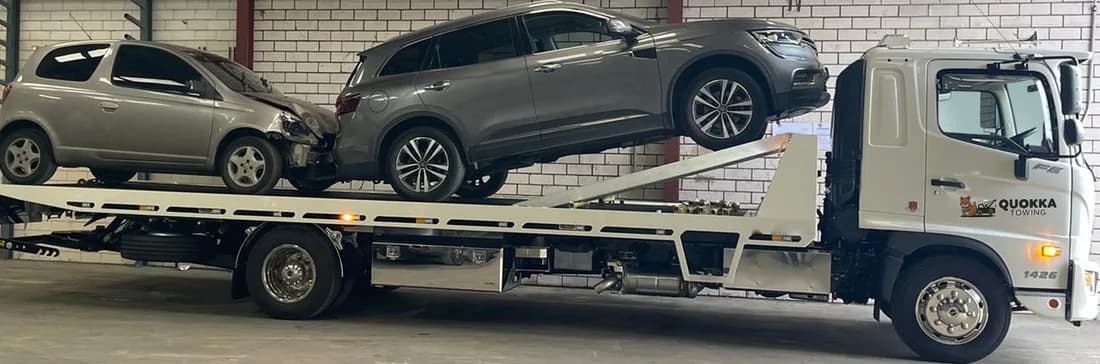
If your car is immobilised, arrange for towing of your vehicle, for it to be taken to your home or chosen repair centre. Having a trusted 24/7 company, like Quokka Towing, in your phonebook is handy. We transport damaged vehicles safely with care and efficiency.
Awareness Is Key
Knowing what to do after a car crash helps you stay calm and safe, allowing you to assess the situation properly. It also gives you confidence to act quickly and responsibly during a stressful moment.
When you’re in need of assistance, Quokka Towing provides fast, reliable and affordable towing services anytime across Perth. Being prepared for any unwanted incidents on the road is necessary for every driver, so make sure to keep our contact on speed dial. Now that you’re informed on how a car crash should be handled, check out this next article about dealing with a car breakdown on the road. You can read all about it here: What to Do When a Car Breakdown Happens