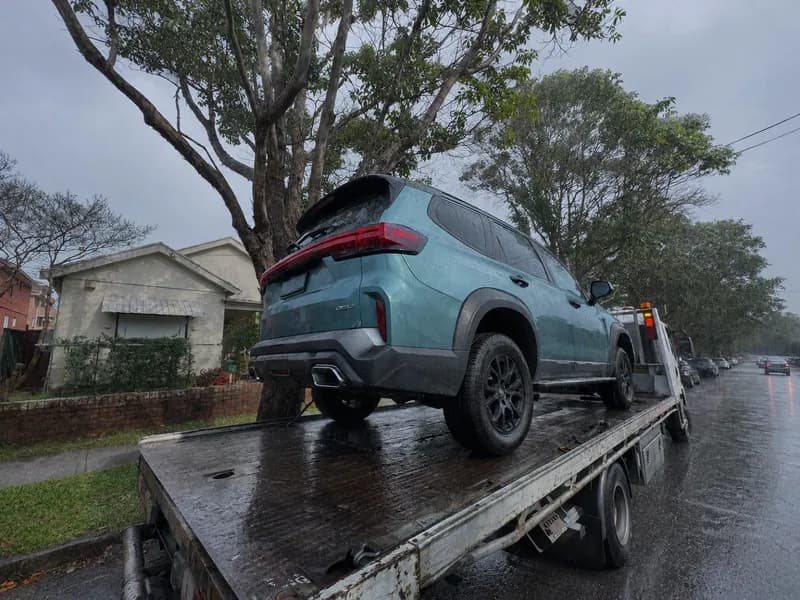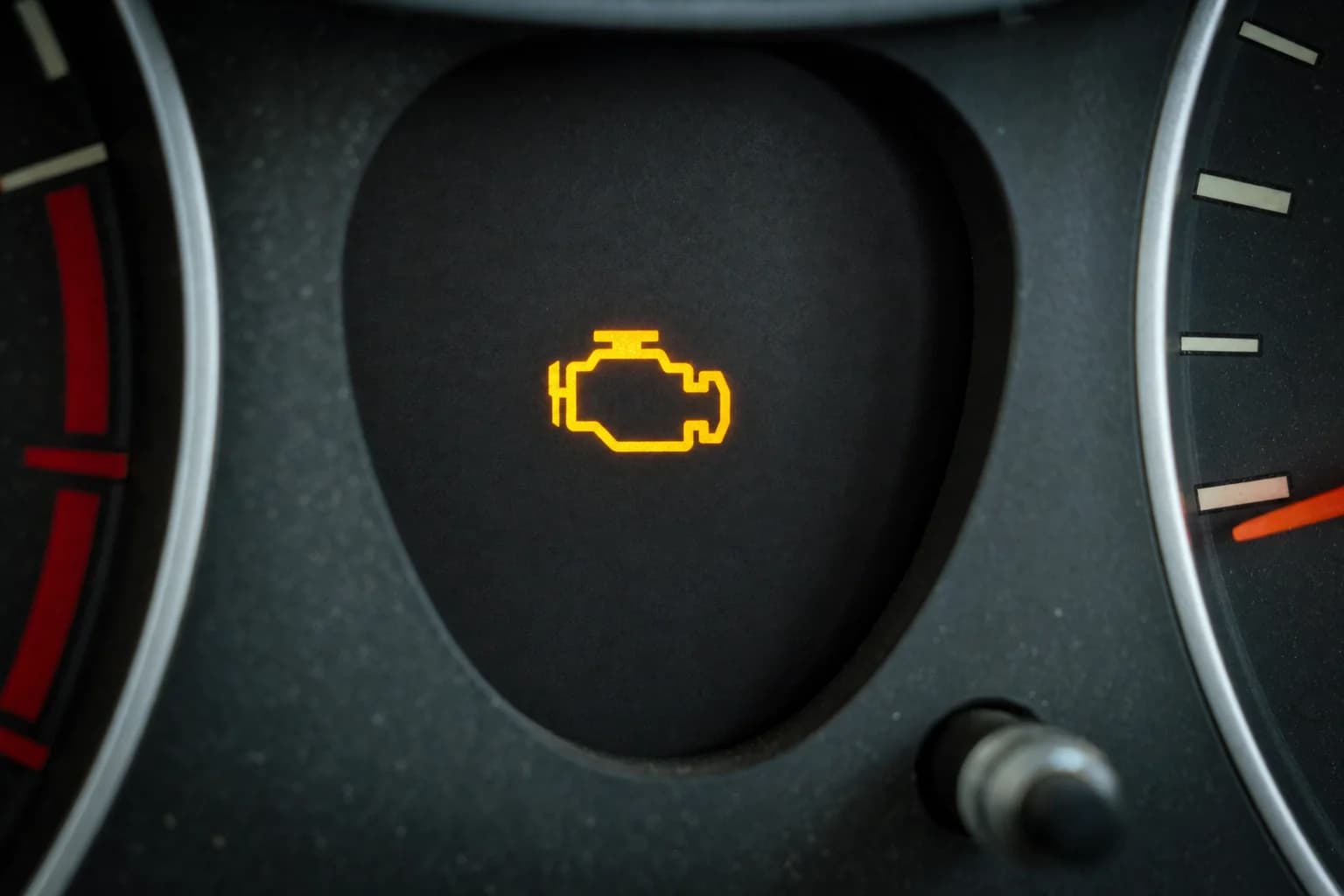
A check engine light indicator can appear without warning and leave many drivers wondering whether it is safe to continue driving. In some cases, the issue is as simple as a loose fuel cap, while in others it may indicate an engine or emissions problem that requires immediate attention. Understanding what the warning means, how your vehicle detects faults and when to seek professional advice can help you avoid costly repairs and reduce the risk of breaking down.
At a Glance
- A check engine light indicates that your vehicle has detected a fault that should be investigated.
- Minor issues can include a loose fuel cap or a worn sensor, while serious faults may affect the engine or transmission.
- A solid warning light usually allows you to drive carefully to a workshop.
- A flashing warning light often signals a serious engine problem, and you should stop driving as soon as it is safe.
- Reading the diagnostic trouble codes is the fastest way to identify the source of the problem.
What Is The Check Engine Warning Light?
The check engine warning light is one of the most important warning indicators on your vehicle’s dashboard. It forms part of your car’s onboard diagnostic system, which constantly monitors engine performance, emissions and other critical components while you drive.
When the system detects something operating outside its normal range, it stores a fault code and illuminates the warning light. The light itself does not identify the exact problem, but it alerts you that your vehicle needs attention before the fault can become more serious.
What Does The Warning Light Monitor?
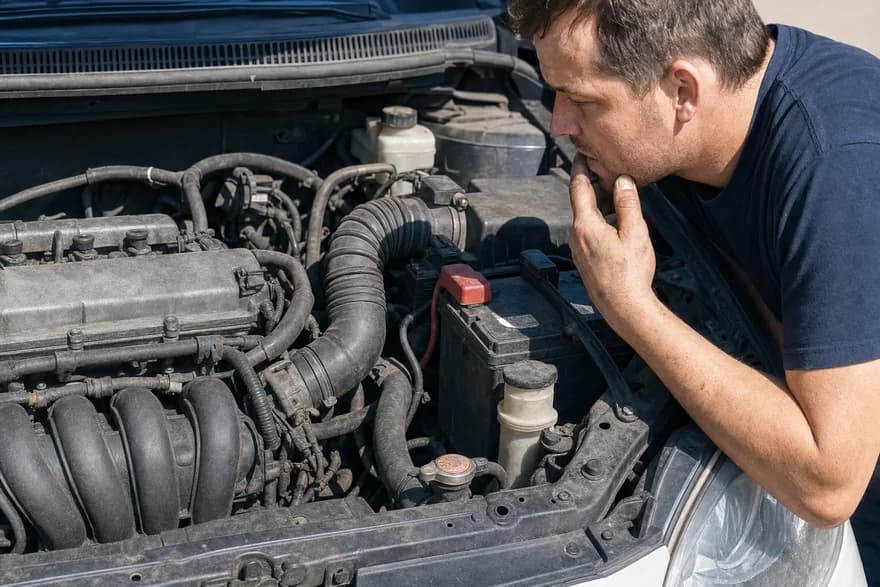
Modern vehicles rely on dozens of electronic sensors that continuously measure engine performance. These sensors send information to the engine control unit, allowing it to make thousands of adjustments every minute to keep the engine operating efficiently.
If a sensor reports abnormal readings or a component fails to respond correctly, the computer records a diagnostic trouble code and activates the warning light. Depending on the fault, the vehicle may continue to drive normally or enter a reduced-power mode to protect critical engine components.
| System Being Monitored | Purpose | Possible Result If A Fault Is Detected |
|---|---|---|
| Engine management | Controls fuel delivery and ignition timing | Reduced performance or rough running |
| Emissions system | Keeps exhaust emissions within legal limits | Higher fuel consumption and increased emissions |
| Air intake system | Measures airflow entering the engine | Poor acceleration or hesitation |
| Fuel system | Maintains the correct fuel mixture | Hard starting or reduced efficiency |
| Ignition system | Ensures reliable combustion | Misfires and loss of engine power |
Why The Light Doesn’t Tell You The Exact Problem
Many drivers assume the warning identifies a specific failed part, but that is not how the system works. The onboard computer simply recognises that a sensor reading or operating condition falls outside the manufacturer’s acceptable range.
For example, one fault code could be triggered by several different causes. A lean fuel mixture may result from a vacuum leak, a faulty sensor, low fuel pressure or another mechanical issue. This is why replacing parts without proper testing often wastes both time and money.
A qualified technician uses the stored fault codes as a starting point before carrying out additional inspections and tests to identify the underlying cause.
How Modern Vehicle Diagnostic Systems Detect Faults
Every modern passenger vehicle sold in Australia since 2006 is equipped with an onboard diagnostic system, commonly referred to as OBD-II. This technology allows the vehicle to monitor its own performance continuously and record faults when something operates outside normal specifications.
Rather than waiting for a complete mechanical failure, the system can often detect small irregularities before they become obvious to the driver. Early detection gives owners an opportunity to repair problems while they are still relatively minor.
- Sensors constantly monitor engine performance.
- The engine computer compares live data against expected operating values.
- Diagnostic trouble codes are stored whenever a fault is detected.
- The warning light alerts the driver that further inspection is required.
Understanding how the diagnostic system works helps explain why the warning should never be ignored. Although the vehicle may continue operating normally, the stored fault can become more serious over time if it is left unresolved.
What Causes A Check Engine Light?
A check engine light can be triggered by many different faults, ranging from simple maintenance issues to major mechanical failures. Some problems have little immediate effect on drivability, while others can quickly develop into expensive repairs if they are ignored.
The only reliable way to identify the cause is by reading the stored diagnostic trouble codes and carrying out further testing where required. The warning itself should always be treated as an indication that your vehicle needs attention.
Common Minor Causes
Many faults that illuminate a warning light are relatively straightforward to repair. Even so, they should not be ignored because they can reduce fuel economy, increase emissions or eventually place additional strain on other engine components.
| Common Cause | Typical Symptoms | Repair Urgency |
|---|---|---|
| Loose or damaged fuel cap | Warning light with no noticeable driving issues | Low |
| Faulty oxygen sensor | Higher fuel consumption and reduced efficiency | Moderate |
| Mass airflow sensor fault | Sluggish acceleration or rough idle | Moderate |
| Worn spark plugs | Hard starting or occasional misfires | Moderate |
| Ignition coil failure | Engine hesitation and reduced performance | High |
| Evaporative emissions leak | No obvious symptoms apart from the warning | Low |
A car check engine light may appear even when your vehicle feels completely normal to drive. This is because many emissions-related faults are detected electronically long before noticeable symptoms develop.
Serious Mechanical Problems
Some faults require immediate attention because continued driving could cause significant engine damage. Ignoring these problems may increase repair costs and raise the likelihood of an unexpected car breakdown.
Common serious causes include engine misfires, catalytic converter failure, timing system faults, fuel delivery problems and certain transmission issues. In some vehicles, overheating or low engine compression may also activate a check engine indicator light alongside other dashboard warnings.
- Engine misfires that allow unburnt fuel into the exhaust system.
- Failing catalytic converters that restrict exhaust flow.
- Fuel injector or fuel pressure problems affecting combustion.
- Variable valve timing faults reducing engine efficiency.
- Transmission faults detected by the engine management system.
If your vehicle develops rough running, severe vibration, poor acceleration or unusual mechanical noises, professional diagnosis should not be delayed. These symptoms often indicate a fault that is becoming progressively worse.
What Does A Solid Vs Flashing Check Engine Light Mean?
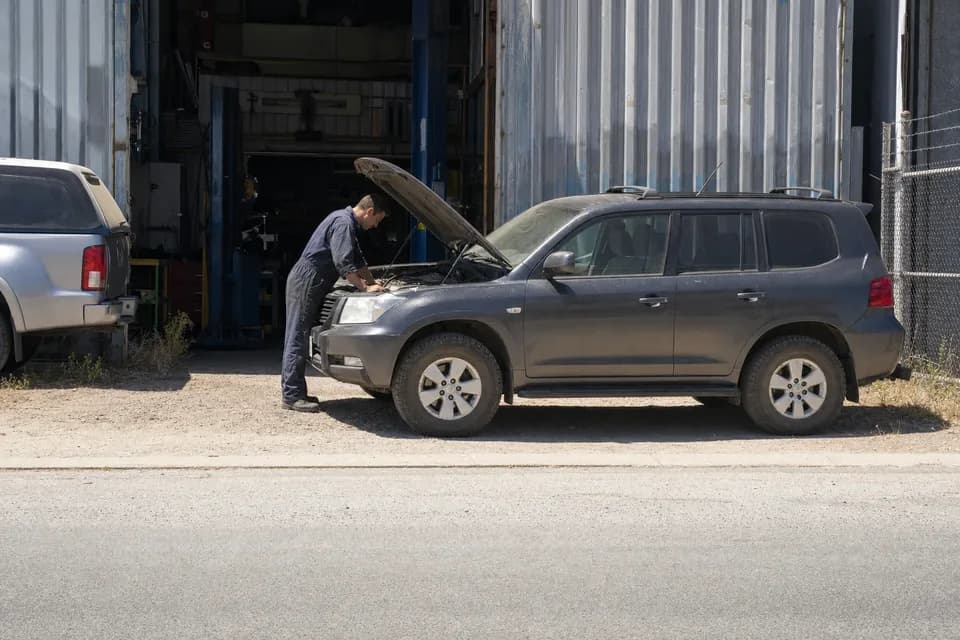
Not every warning light represents the same level of urgency. The way the light behaves provides valuable information about how serious the detected fault may be and whether it is safe to continue driving.
Understanding the difference between a solid light and a flashing light can help you make safer decisions while reducing the risk of further vehicle damage.
Solid Check Engine Light
A steady check engine warning light generally indicates that the vehicle has detected a fault requiring inspection but not necessarily an emergency. Many vehicles remain safe to drive carefully for a short distance, provided there are no unusual noises, overheating or major changes in performance.
You should still arrange a diagnostic inspection as soon as practical because delaying repairs can allow a relatively small issue to develop into a more expensive problem.
Flashing Check Engine Light
A flashing check engine light usually indicates a serious engine misfire or another fault capable of causing immediate damage. Continuing to drive may overheat the catalytic converter, damage internal engine components or leave the vehicle stranded.
If the light begins flashing, reduce speed immediately and pull over somewhere safe as soon as traffic conditions allow. Switch off the engine and arrange professional assistance before driving any further.
Other Warning Signs To Watch For
The warning light should always be considered alongside the way your vehicle is behaving. Additional symptoms often provide useful clues about the seriousness of the fault.
- Engine shaking or severe vibration.
- Noticeable loss of power during acceleration.
- Smoke from the exhaust.
- Burning smells.
- Engine overheating.
- Difficulty starting the vehicle.
If several symptoms appear together with a dashboard check engine light, stopping the vehicle safely and arranging repairs is usually the safest course of action.
What Should You Do When The Check Engine Light Comes On?
Seeing a check engine light appear while driving can be concerning, but responding calmly is the best approach. Your next steps should depend on whether the vehicle continues operating normally or begins showing signs of a more serious fault.
Pay close attention to the way the car engine sounds, feels and responds. Any unusual behaviour can help determine whether it is safe to continue driving or whether the vehicle should be stopped immediately.
- Stay calm and avoid sudden acceleration.
- Check that the fuel cap is properly tightened if you have recently refuelled.
- Watch for unusual noises, vibrations or warning messages.
- Reduce speed if the vehicle does not feel normal.
- Arrange a diagnostic inspection as soon as possible.
If the vehicle continues to drive normally and the warning remains steady, you can usually drive carefully to a workshop. If the engine begins running poorly or additional warning lights appear, stop driving as soon as it is safe.
How Is A Check Engine Light Diagnosed?
Diagnosing a check engine light involves much more than reading a fault code. The stored diagnostic information points technicians in the right direction, but additional testing is often required before the exact cause can be confirmed.
This methodical approach prevents unnecessary parts from being replaced and helps ensure the actual fault is repaired the first time.
A technician will usually connect an OBD-II scan tool to the vehicle’s diagnostic port to retrieve any stored fault codes. These codes provide information about which system detected the problem and under what operating conditions it occurred.
After reviewing the codes, further inspections may include checking live sensor data, testing electrical circuits, inspecting vacuum hoses, measuring fuel pressure or carrying out mechanical testing. In many cases, multiple tests are required before the true cause is identified.
| Diagnostic Step | Purpose |
|---|---|
| Read diagnostic trouble codes | Identify which system detected the fault |
| Review live sensor data | Compare actual readings with expected values |
| Inspect components | Look for damaged wiring, leaks or worn parts |
| Perform mechanical testing | Confirm the underlying cause before repairs begin |
A check engine indicator light should never be cleared without first identifying why it appeared. Simply erasing the fault code does not repair the underlying problem and the warning will usually return if the fault remains.
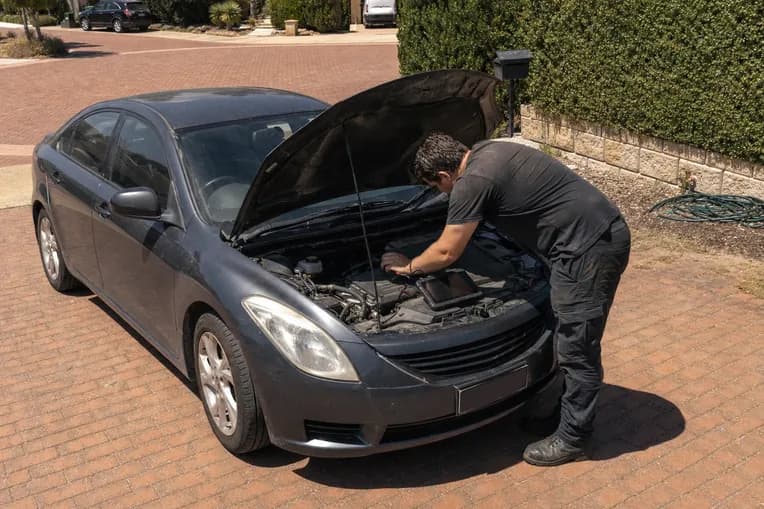
Is It Safe To Keep Driving?
Whether it is safe to continue driving depends on both the warning light and the way the vehicle is operating. Some faults allow limited driving, while others require the vehicle to be stopped immediately to prevent further damage.
Making the right decision can reduce repair costs and help avoid becoming stranded in an unsafe location.
| Situation | Recommended Action |
|---|---|
| Steady warning with normal vehicle performance | Drive carefully and arrange inspection soon |
| Flashing warning light | Stop driving as soon as it is safe |
| Engine shaking or severe vibration | Switch off the engine and seek assistance |
| Overheating or smoke | Do not continue driving |
| Loss of engine power | Reduce speed and assess whether it is safe to continue |
If a car check engine light appears but the vehicle continues driving normally, avoid heavy acceleration, towing loads or long trips until the fault has been inspected. Continuing to place the engine under high load may worsen an existing problem.
If the engine misfires, stalls, overheats or produces unusual noises, stop driving immediately. Continuing to operate the vehicle under these conditions can result in extensive mechanical damage that is far more expensive to repair.
Even if a dashboard check engine light disappears after restarting the vehicle, the fault may still be stored within the engine management system. Having the vehicle inspected remains the safest way to confirm whether repairs are required.
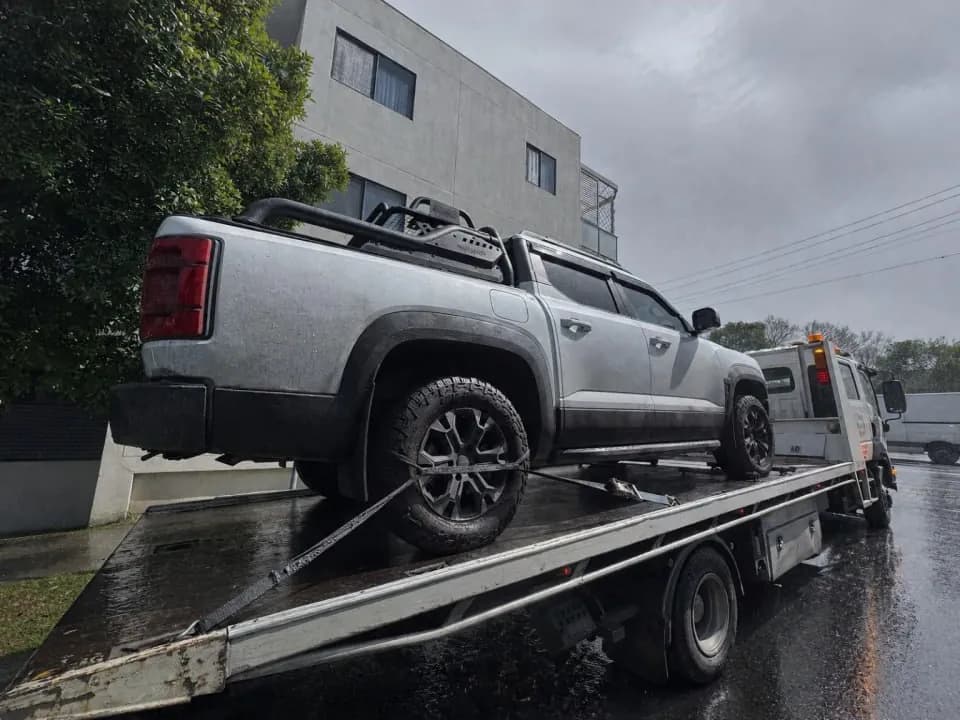
Why Ignoring A Check Engine Light Can Cost You More
Ignoring a check engine light may seem harmless if the vehicle still feels normal to drive, but small faults often become larger and more expensive over time. Addressing the warning early can reduce repair costs, improve fuel efficiency and help prevent unexpected breakdowns.
Many components within the engine management system work together. When one part begins to fail, it can place extra strain on other components, increasing both repair time and overall costs.
- Reduced fuel economy.
- Higher exhaust emissions.
- Poor engine performance.
- Damage to expensive components such as the catalytic converter.
- Greater risk of breaking down without warning.
If a check engine light is on for an extended period, the original fault may become more difficult to diagnose because additional problems can develop. Prompt inspection is usually the most cost effective approach.
Common Myths About The Check Engine Light
There are many misconceptions about dashboard warning lights. Believing these myths can lead to unnecessary repairs or delayed maintenance that may result in more serious mechanical issues.
Understanding the facts helps you make informed decisions whenever a warning appears.
| Myth | Reality |
|---|---|
| The warning always means the engine has failed. | Many faults are relatively minor and can be repaired before major damage occurs. |
| If the vehicle drives normally, the warning can be ignored. | Some faults show no immediate symptoms but can worsen over time. |
| Clearing the fault code fixes the problem. | Removing the code does not repair the underlying fault. |
| Only older vehicles develop warning lights. | Modern vehicles monitor more systems and can detect faults much earlier. |
Frequently Asked Questions
If the warning remains steady and the vehicle is operating normally, you can usually drive carefully for a short distance to arrange an inspection. If the light begins flashing or the vehicle develops poor performance, you should stop driving as soon as it is safe.
Yes. A loose, damaged or incorrectly fitted fuel cap can cause the emissions system to detect a leak, which may illuminate the warning light. Tightening the cap may resolve the issue, although the warning may take several driving cycles to clear.
It can if the original fault no longer exists and the vehicle completes enough successful driving cycles. However, if the underlying problem remains, the warning will usually return.
No. Some faults involve inexpensive components such as sensors or fuel system leaks. A professional diagnosis helps identify the exact cause before repair decisions are made.
Resetting the warning without diagnosing the fault is not recommended. The stored diagnostic information can help identify the cause, and deleting it too early may make accurate diagnosis more difficult.
Don’t Ignore The Warning
A check engine light is your vehicle’s way of telling you that something needs attention. While some faults are relatively minor, others can quickly become serious if they are ignored. Understanding what the warning means and responding appropriately can help you avoid unnecessary repairs and keep your vehicle operating safely.
If your vehicle cannot be driven safely because a check engine warning light has appeared, professional towing is often the safest option. Quokka Towing provides fast, reliable and affordable towing services across Perth, with safe transport to your preferred mechanic or repairer. Our friendly and experienced team is available 24/7 whenever you need assistance.