

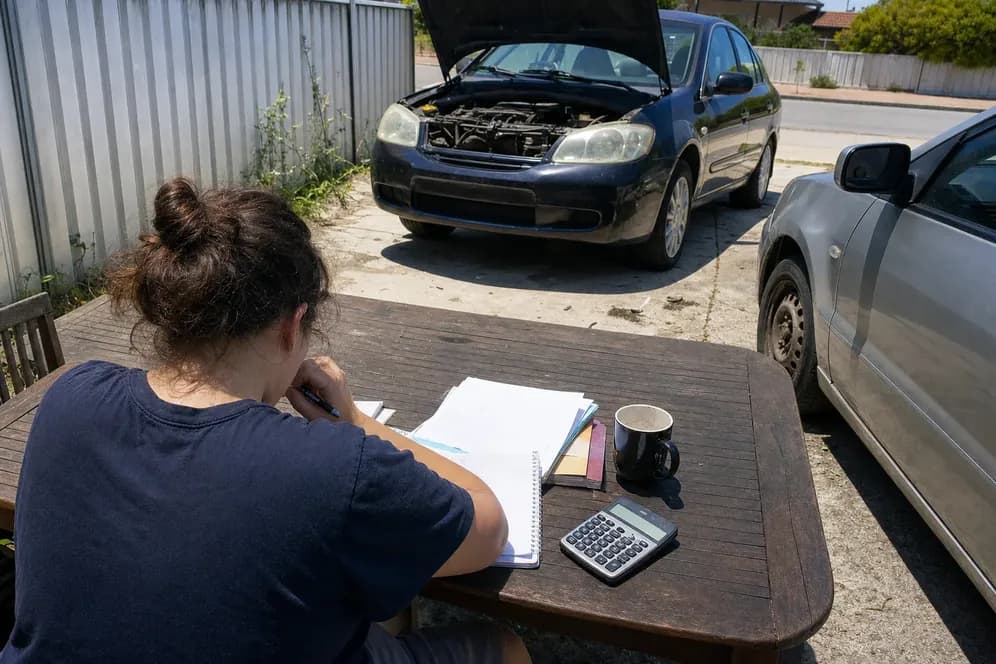
Buying your first car is exciting, but becoming a first-time car owner also means taking on new responsibilities. Beyond learning how to drive, you need to understand ongoing ownership costs, routine maintenance, legal obligations and what to do if something goes wrong. Building these habits early will help you stay safer on the road, reduce repair costs and keep your vehicle reliable for years to come.
At Quokka Towing, we’ve assisted drivers across Perth with breakdowns, accidents and roadside emergencies. We’ve seen the common challenges many new drivers face, so we’ve created this guide to help every first-time car owner start with confidence and avoid some of the most common and costly mistakes.
Your Quick Guide to Car Ownership
- Budget for the full cost of owning a vehicle, not just the purchase price.
- Understand your registration, insurance and legal responsibilities.
- Learn how your vehicle works by reading the owner’s manual.
- Follow a regular servicing schedule and perform simple monthly checks.
- Drive smoothly to reduce wear and improve fuel economy.
- Recognise warning signs before they become major repairs.
- Prepare for roadside emergencies with the right equipment and knowledge.
- Keep your vehicle clean and maintain a complete service history.
Understand the True Cost of Car Ownership
Owning a vehicle involves much more than paying for it up front. One of the biggest surprises for a first-time car owner is discovering the number of ongoing expenses that come with keeping a car safe, legal and reliable.
Planning for these costs from the beginning makes budgeting easier and reduces the chance of unexpected financial pressure. These first-time car owner tips can help you understand what to expect before the bills arrive.
Budget Beyond the Purchase Price
Most vehicle owners will pay for registration, insurance and fuel, but these are only part of the overall cost. Regular servicing, replacement tyres and occasional repairs are all part of responsible vehicle ownership.
The table below outlines some of the most common ownership costs Australian drivers should expect.
| Expense | Why It Matters | How Often |
|---|---|---|
| Registration (rego) | Keeps your vehicle legally registered | Annually |
| CTP and vehicle insurance | Protects you financially after an accident | Annual renewal |
| Fuel | Everyday running costs | Ongoing |
| Scheduled servicing | Keeps the vehicle reliable and helps prevent breakdowns | Every 10,000 to 15,000 km or as recommended |
| Tyres | Maintain safety, handling and braking performance | Every few years, depending on use |
| Repairs | Covers unexpected mechanical issues | As required |
| Parking and tolls | Everyday driving expenses | Varies |
| Roadside assistance | Provides help during breakdowns | Annual membership |
Understanding these expenses helps you make informed decisions about your budget. It also makes it easier to prioritise preventative maintenance, which is often far less expensive than major repairs caused by neglect.
Why Budgeting Early Saves Money
Regular maintenance may seem like an expense, but it usually saves money over the long term. Replacing worn brake pads, topping up fluids or fitting new tyres at the right time is significantly cheaper than repairing damage caused by delaying maintenance.
One of the most practical tips for first-time car owners is to set aside a small amount each month for servicing and unexpected repairs. Having an emergency vehicle fund reduces stress if something unexpected happens and helps ensure your car remains safe to drive.
Know Your Legal Responsibilities
Owning a vehicle also means meeting several legal obligations. As a first-time car owner, understanding these requirements helps you stay compliant and avoid unnecessary fines or complications after an accident.
Although registration and licensing rules differ slightly between Australian states and territories, the overall responsibilities are similar. Staying organised is one of the simplest first car owner tips you can follow.
Registration and Licensing
Before driving your vehicle, make sure it is correctly registered and that your driver’s licence is valid. Depending on where you live, your registration may include Compulsory Third Party insurance and, in some states, roadworthiness requirements.
Keep track of renewal dates so your registration doesn’t lapse. Driving an unregistered vehicle can lead to significant penalties and may affect your insurance coverage if you’re involved in an accident.
Understand Your Insurance
Insurance is designed to protect you financially if something goes wrong, but not every policy provides the same level of cover. As a first-time car owner, it’s worth understanding the different options available before choosing a policy.
The three most common types of vehicle insurance in Australia are shown below.
| Insurance Type | Covers Your Vehicle | Covers Damage to Other People’s Property |
|---|---|---|
| Compulsory Third Party (CTP) | No | No. Covers personal injury liabilities required under state legislation |
| Third Party Property | No | Yes |
| Comprehensive | Yes | Yes |
Choosing the right level of cover depends on your vehicle’s value, your budget and your personal circumstances. Reading your policy carefully also helps you understand any exclusions, excess payments and claim requirements before you ever need to make a claim.
Keep Your Vehicle Documents Organised
Good record keeping makes vehicle ownership much easier. Store important documents together so they’re easy to access whenever they’re needed.
- Registration details
- Insurance documents
- Service records
- Repair invoices
- Roadside assistance information
A complete service history also demonstrates that your vehicle has been properly maintained, which may improve its resale value if you decide to sell it in the future.
Get to Know Your Car
Every vehicle has its own features, maintenance requirements and operating characteristics. Spending time learning about your car before problems arise will help you become a more confident first-time car owner and reduce the likelihood of making costly mistakes.
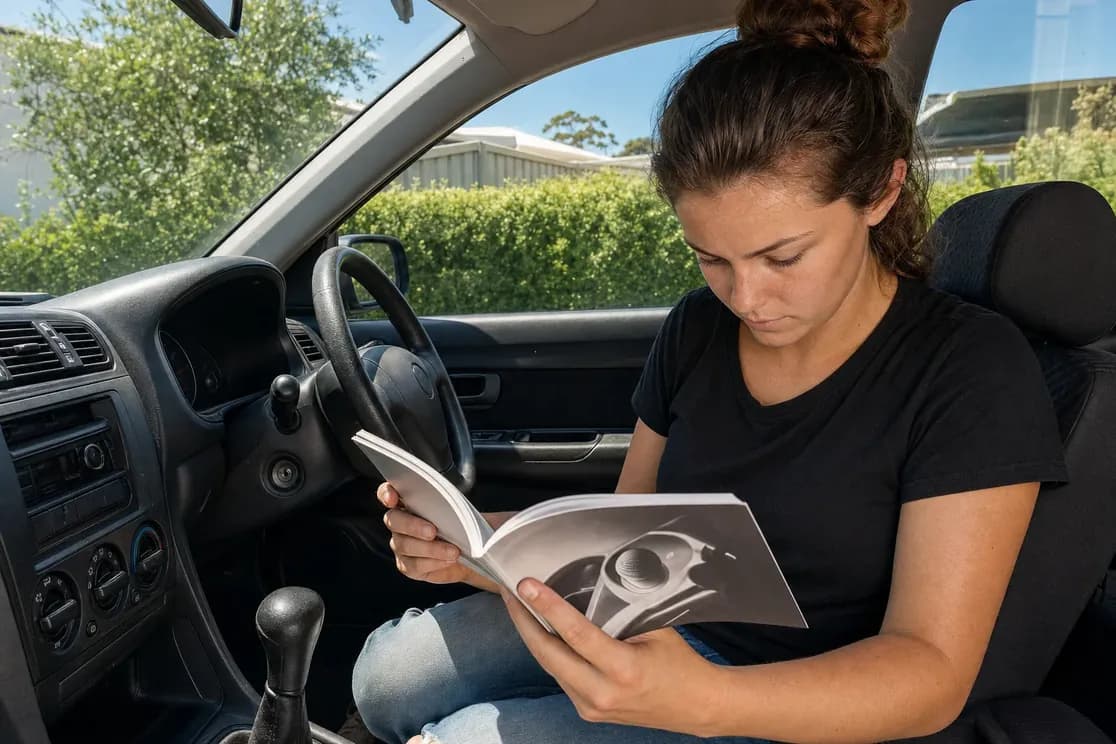
Many of the best first-time car owner tips begin with understanding the information already provided by the manufacturer. Your owner’s manual explains how to safely operate and maintain your vehicle, making it one of the most valuable resources you own.
Read the Owner’s Manual
Although it may not be the most exciting reading, your owner’s manual answers many of the questions new drivers commonly have.
- The correct fuel type.
- Recommended tyre pressures.
- Dashboard warning lights.
- Service intervals.
- Fluid specifications.
- Vehicle safety features.
Knowing where to find this information means you can respond more confidently if a warning light appears or you’re unsure how a particular feature works.
Know Where Essential Equipment Is Located
It’s also worth locating your vehicle’s emergency equipment before you ever need it. Many drivers only discover where their spare tyre or jack is stored after getting a puncture.
Take a few minutes to familiarise yourself with the location of your spare tyre or repair kit, jack, wheel brace, battery, fuse box and bonnet release. If your vehicle uses locking wheel nuts, make sure you know where the locking wheel nut key is stored.
Being prepared won’t prevent a breakdown, but it can make dealing with one much less stressful.
Stay on Top of Routine Maintenance
Transport WA highlights the importance of routine maintenance to keep your vehicle reliable, reducing breakdown risks for yourself and other motorists. For a first-time car owner, following the manufacturer’s maintenance schedule helps identify small issues before they develop into expensive repairs and ensures your vehicle continues to operate safely.
Servicing also protects your investment. A well-maintained vehicle is generally more fuel efficient, performs better and is often worth more when it’s time to sell.
Follow Your Manufacturer’s Service Schedule
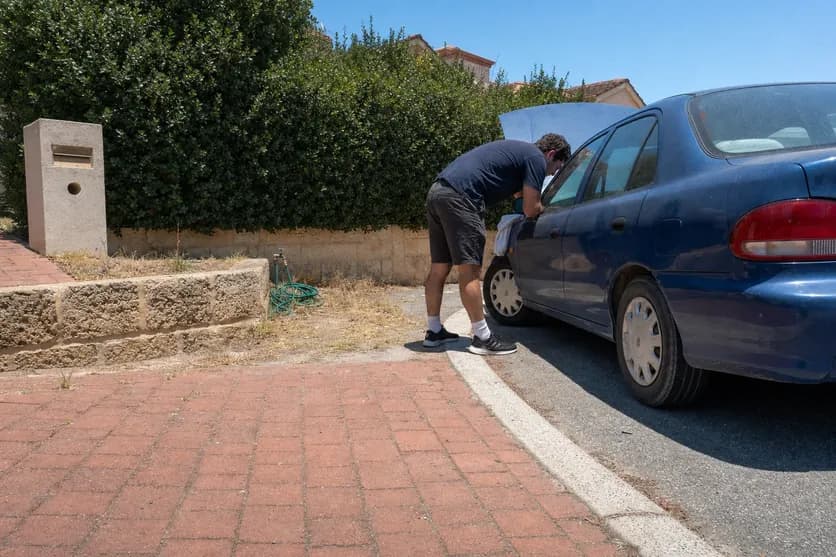
Every vehicle has a recommended service schedule based on either time, distance travelled or a combination of both. Sticking to this schedule gives mechanics the opportunity to inspect critical components before they fail.
A standard service may include replacing the engine oil and filter, inspecting the brakes, rotating the tyres, checking the battery, replacing the air filter and ensuring all fluids are at the correct levels. Suspension, steering and lighting systems are also commonly inspected to make sure the vehicle remains safe to drive.
Missing scheduled services can lead to increased engine wear, reduced fuel economy and unnecessary strain on important mechanical components. For newer vehicles, failing to service the car as recommended may also affect the manufacturer’s warranty.
Perform Regular Vehicle Checks
You don’t need to wait until your next service to monitor your vehicle’s condition. A few simple inspections each month can help you identify problems early and give you greater confidence as a first-time car owner.
Check the engine oil level, coolant, brake fluid and windscreen washer fluid regularly. It’s also worth inspecting your tyres for damage, measuring tread depth and checking tyre pressures, especially before longer trips.
| Vehicle Check | Recommended Frequency | Why It’s Important |
|---|---|---|
| Engine oil | Monthly | Helps protect the engine from excessive wear |
| Coolant | Monthly | Prevents overheating |
| Brake fluid | Every few months | Supports safe braking performance |
| Windscreen washer fluid | Monthly or as needed | Maintains visibility |
| Tyre pressure | Monthly and before long trips | Improves safety, handling and fuel economy |
| Tyre tread | Monthly | Ensures adequate grip in wet and dry conditions |
| Battery terminals | Every few months | Identifies corrosion or loose connections |
Developing this routine is one of the most practical tips for first-time car owners because it allows you to address minor issues before they leave you stranded.
Learn Basic DIY Checks Every Driver Should Know
You don’t need advanced mechanical knowledge to look after your car. Learning a few basic maintenance tasks helps every first-time car owner become more self-sufficient while reducing the likelihood of preventable roadside problems.
These simple checks only take a few minutes and can often be completed using basic equipment that comes with your vehicle.
Simple Maintenance You Can Do Yourself
Checking the engine oil is one of the easiest and most valuable maintenance tasks. Always park on level ground, allow the engine to cool if required, and use the dipstick to confirm the oil level sits within the recommended range.
Keeping the windscreen washer bottle topped up is equally important. Clean windscreens improve visibility, particularly during winter or when driving on country roads where dirt and insects can quickly build up.
It’s also worth inspecting your tyres for cuts, bulges or uneven wear. Uneven wear may indicate incorrect tyre pressures, wheel alignment issues or suspension problems that should be inspected by a qualified mechanic.
Replacing worn wiper blades is another simple job that improves visibility during rain. If the blades leave streaks or skip across the glass, it’s time for a replacement.
Essential Roadside Skills
While some repairs should always be left to professionals, there are a few basic skills every first-time car owner should understand.
Knowing how to safely jump-start a flat battery, change a flat tyre or use a tyre repair kit can help you respond calmly if something unexpected happens. Before attempting any roadside repair, always assess whether it’s safe to do so.
If you’re stopped on a busy road, have poor visibility or aren’t confident performing the repair yourself, move to a safe location if possible and contact roadside assistance. Your safety is always more important than fixing the problem immediately.
Develop Good Driving Habits
The way you drive affects far more than fuel consumption. Smooth, consistent driving reduces wear on mechanical components, improves safety and helps your vehicle remain reliable over the long term.
Many experienced motorists develop these habits naturally, but they are especially valuable for a first-time car owner who is still building confidence behind the wheel.
Drive to Reduce Wear and Tear
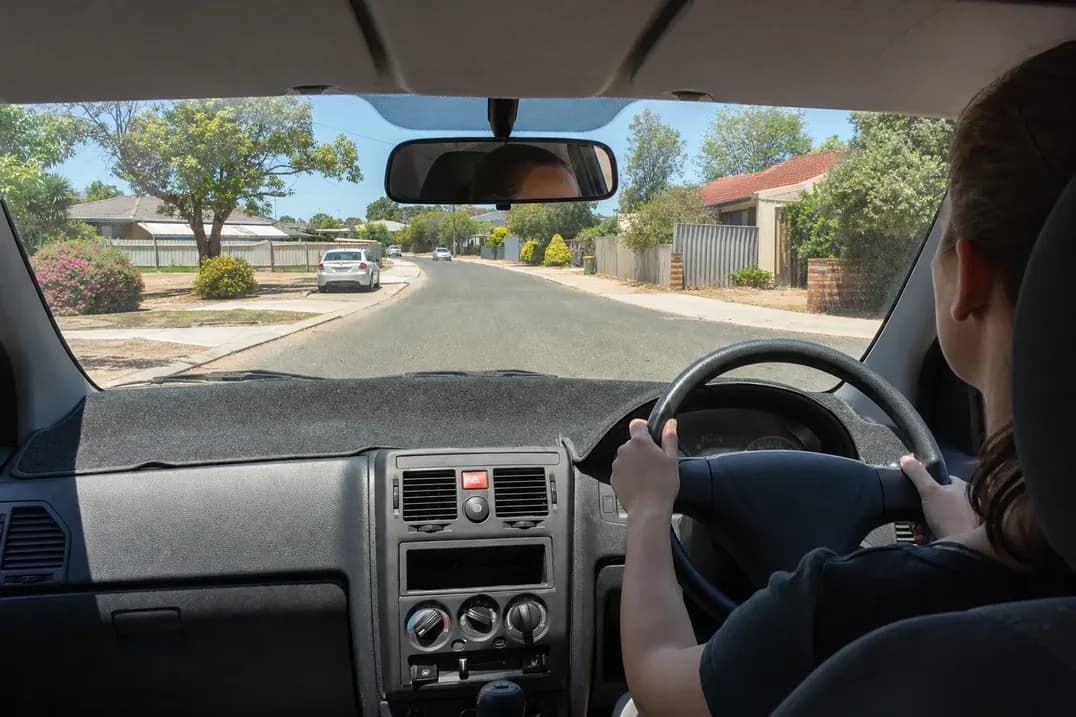
Aggressive acceleration and heavy braking place unnecessary stress on your vehicle. Driving smoothly allows the engine, brakes, tyres and suspension to operate more efficiently while making the journey more comfortable for everyone inside the car.
Maintaining a safe following distance also gives you more time to react to changing traffic conditions, reducing the need for sudden braking. Watching ahead for potholes, speed humps and uneven road surfaces can further reduce unnecessary wear on your suspension and tyres.
These tips for first car owners not only improve vehicle longevity but also encourage safer driving habits that become second nature over time.
The Benefits of Driving Smoothly
Small improvements to your driving style can produce noticeable long-term benefits. Gentle acceleration, anticipating traffic conditions and avoiding harsh manoeuvres all contribute to lower operating costs.
A smoother driving style can help:
- Improve fuel economy.
- Extend tyre life.
- Reduce brake wear.
- Minimise stress on the engine and transmission.
For many drivers, these simple adjustments become some of the most valuable first car owner tips, saving money while making every trip safer and more enjoyable.
Don’t Ignore Warning Signs
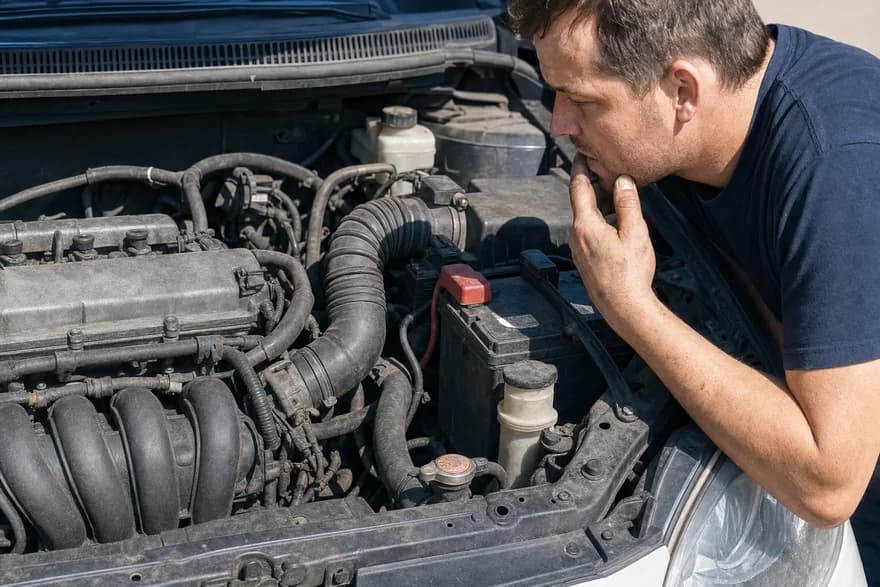
Most major mechanical problems begin with small warning signs. Recognising these early can help a first-time car owner arrange repairs before a minor fault develops into an expensive breakdown or safety risk.
Your vehicle is designed to alert you when something isn’t working properly. Paying attention to unusual sounds, warning lights or changes in performance can help keep you and your passengers safe while reducing repair costs.
Common Signs Your Car Needs Attention
Some warning signs should never be ignored, even if the vehicle still seems to drive normally. A dashboard warning light, unusual vibration or fluid leak often indicates that a component needs inspection.
If you notice any of the following, arrange for your vehicle to be checked by a qualified mechanic as soon as possible:
- Dashboard warning lights.
- Knocking, grinding or squealing noises.
- Fluid is leaking underneath the vehicle.
- Burning smells.
- Difficulty starting the engine.
- Poor braking performance.
- Excessive vibration while driving.
- Engine overheating.
- A noticeable increase in fuel consumption.
Ignoring these issues can increase repair costs and may leave you stranded at an inconvenient time.
Why Early Repairs Save Money
Addressing small problems early is usually faster, simpler and less expensive than waiting until they become major failures. A worn belt, damaged hose or leaking seal can often be repaired before causing significant damage to the engine or other mechanical components.
One of the most practical tips for first-time car owners is to treat warning signs seriously. Acting promptly not only protects your vehicle but also helps avoid unexpected breakdowns that interrupt your day.
Be Prepared for Roadside Emergencies
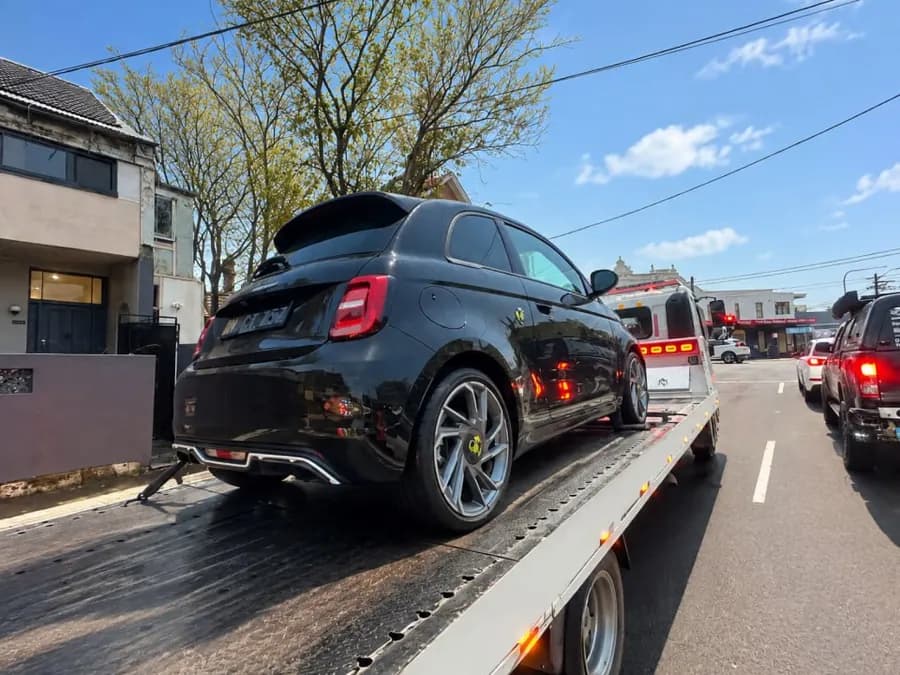
Even well-maintained vehicles can experience unexpected problems. Flat batteries, punctures and mechanical failures can happen without warning, so it’s worth preparing before you need assistance.
Every first-time car owner should know what to do if their vehicle breaks down. Staying calm and putting safety first can make a stressful situation much easier to manage.
Build an Emergency Kit
A basic emergency kit doesn’t take up much space, but it can be extremely useful if you’re stranded on the roadside or delayed while waiting for assistance.
Consider keeping the following items in your vehicle:
- Torch with spare batteries.
- Phone charger or power bank.
- First aid kit.
- High-visibility vest.
- Jumper leads.
- Drinking water.
- Basic hand tools.
- Emergency contact numbers.
If you regularly travel through regional Western Australia or remote areas, carrying additional drinking water, snacks and warm clothing is also a sensible precaution.
Know When to Call for Professional Help
Some roadside situations can be managed safely, while others require professional assistance. If your vehicle has been involved in a collision, displays serious warning lights, overheats or cannot be driven safely, continuing your journey could place you and other road users at risk.
Similarly, if you’re stopped on a busy road or in poor weather conditions, it’s often safer to remain clear of traffic and wait for assistance rather than attempting repairs yourself.
Knowing your limits is one of the most valuable first-time car owner tips because personal safety should always come before convenience.
Keep Your Car in Good Condition
Looking after your vehicle doesn’t end with servicing. Keeping it clean and addressing small cosmetic issues helps preserve its appearance while protecting its long-term value.
Regular cleaning also gives you an opportunity to inspect your vehicle more closely, making it easier to notice chipped paint, damaged tyres or fluid leaks before they become larger problems.
Protect Your Vehicle’s Appearance
Environmental contaminants such as bird droppings, tree sap and road grime can damage paintwork if they’re left for long periods. Washing your vehicle regularly helps prevent this damage while keeping it looking its best.
Cleaning the interior is equally worthwhile. Vacuuming carpets, wiping surfaces and cleaning windows improves comfort and visibility while helping reduce wear on upholstery and trim.
Protect Your Resale Value
Whether you keep your vehicle for several years or eventually upgrade, maintaining its condition can improve its resale value.
A well-maintained vehicle with a complete service history is generally more attractive to buyers than one with missing records or obvious signs of neglect. Repairing minor paint damage early, replacing worn tyres when necessary and following the manufacturer’s service schedule all demonstrate that the vehicle has been cared for properly.
These tips for first-time car owners not only help protect your investment but can also make selling or trading in your vehicle much easier in the future.
Frequently Asked Questions
Follow the service intervals recommended in your owner’s manual. Most vehicles require servicing every 10,000 to 15,000 kilometres or every 6 to 12 months, whichever comes first. Regular servicing helps identify developing problems before they become major repairs.
Carry essential items such as a torch, phone charger, first aid kit, jumper leads, drinking water and emergency contact details. These items can make a breakdown less stressful while you wait for assistance.
Comprehensive insurance provides the highest level of financial protection by covering damage to your own vehicle as well as damage to other people’s property. Whether it’s suitable depends on your budget, your vehicle’s value and your individual circumstances.
If it’s safe to do so, move your vehicle away from traffic, switch on your hazard lights and remain in a safe location. If the vehicle cannot be driven safely or you’re unsure of the problem, arrange professional roadside assistance or towing.
Enjoy Confident Car Ownership
Becoming a first-time car owner is an opportunity to develop good habits that will benefit you for years to come. Understanding ownership costs, following a regular maintenance schedule, driving responsibly and responding quickly to warning signs all help keep your vehicle safe, reliable and more affordable to own.
While no driver can prevent every breakdown, being prepared makes unexpected situations much easier to manage. Learning these tips for first-time car owners will give you greater confidence every time you get behind the wheel.
If you ever need assistance after a breakdown, flat battery or accident, Quokka Towing provides fast, reliable and affordable towing services across Perth. Our team is available 24/7 to provide safe and efficient transport when you need it most.