

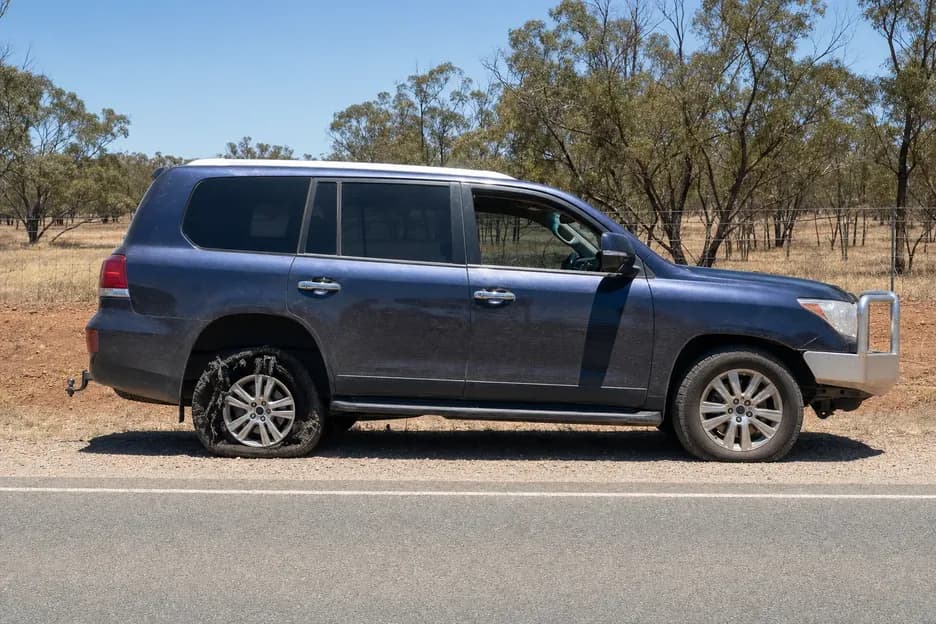
A tyre blowout can be frightening, but the right response keeps you safe. If it happens, stay calm, hold the steering wheel firmly, ease off the accelerator, avoid sudden braking, and guide your vehicle safely to the side of the road.
Across Australia, long drives, hot road surfaces, and high-speed highways increase the risk of tyre failure. When a tyre gives way, your response needs to stay controlled and deliberate. Sudden braking or sharp steering can quickly lead to loss of control, especially on freeways and regional roads.
At Quokka Towing, we regularly assist drivers dealing with tyre issues across Perth and the surrounding areas. This guide explains exactly what to do during a tyre blowout, how to regain control of your vehicle safely, when to pull over, what warning signs to look for, and how to reduce the risk of future tyre failures.
Immediate Actions After a Tyre Blowout
- Stay calm and keep a steady grip on the wheel
- Ease off the accelerator smoothly
- Avoid braking suddenly
- Keep the vehicle moving straight
- Let the car slow down gradually
- Move safely toward the left side of the road
- Turn on hazard lights
- Exit only when it is safe
- Call for assistance if needed
The Initial Response to a Tyre Blowout
The first few seconds when your tyre blows or explodes are the most dangerous. Your immediate reaction can determine whether you keep control of the vehicle or lose stability on the road. Staying calm, avoiding sudden movements, and slowing down gradually are the key steps that help prevent secondary accidents.
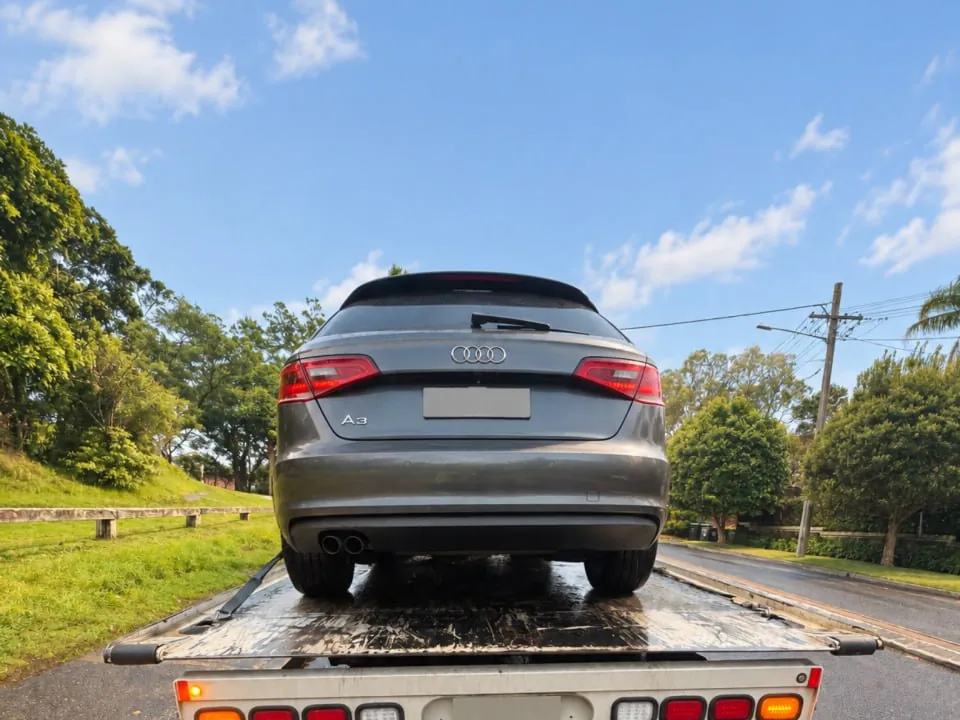
Stay Calm and Maintain Control
A failing tyre can cause the vehicle to pull sharply to one side, especially at higher speeds. Keep both hands on the wheel and focus on holding a straight line. Avoid overcorrecting. Sudden steering inputs can destabilise the vehicle and increase the risk of losing control. Staying steady is your priority.
Slow Down Safely
Once the vehicle is stable, ease off the accelerator and let it slow down naturally. This helps maintain traction and control. Do not brake abruptly. Heavy braking at this stage can cause skidding, particularly on highways or wet roads. A gradual slowdown is far safer.
How to Regain Full Control of Your Vehicle
Regaining control when your tyre blows out takes patience and presence of mind. Getting into a panic and making abrupt, careless decisions can spell disaster. Small, deliberate movements are far more effective.
Stabilise Before Braking
Focus on stabilising the vehicle first. Minor steering adjustments may be needed, but avoid sharp corrections. Oversteering is a common cause of secondary accidents. Let the vehicle settle before taking further action.
Controlled Braking and Alerts
Once stable, apply the brakes gently. Smooth braking helps maintain traction and keeps the vehicle predictable. Turn on your hazard lights early to alert other drivers, especially on busy roads and freeways.
How to Pull Over Safely on Australian Roads
After slowing down, move off the road carefully. This step should be done gradually and with awareness of surrounding traffic.
Choosing a Safe Location
Steer toward the left shoulder or emergency lane when it is safe. Avoid stopping on blind corners, narrow roads, or areas with poor visibility. Look for a flat, open space where your vehicle can be seen clearly. This is particularly important on regional roads where vehicles travel at higher speeds.
Bringing the Vehicle to a Stop
Bring the vehicle to a complete stop and apply the handbrake. Keep your hazard lights on to remain visible. Take a moment to assess traffic and surroundings before exiting the vehicle.
What to Do After You’ve Stopped
Even after stopping, safety remains the priority. Your position on the road still matters.
Stay Visible and Safe
If it is safe, exit from the passenger side and move well away from traffic. Keep hazard lights on at all times. Learn more about how to stay safe during a car breakdown here: What to Do When a Car Breakdown Happens
Next Steps
Assess whether it is safe to continue driving. In many cases, the vehicle will need assistance.
If you cannot safely change the tyre or lack the right equipment, calling for help is the safest option.
- The tyre is completely damaged
- The wheel or rim is affected
- The vehicle feels unstable
- You are in a dangerous location
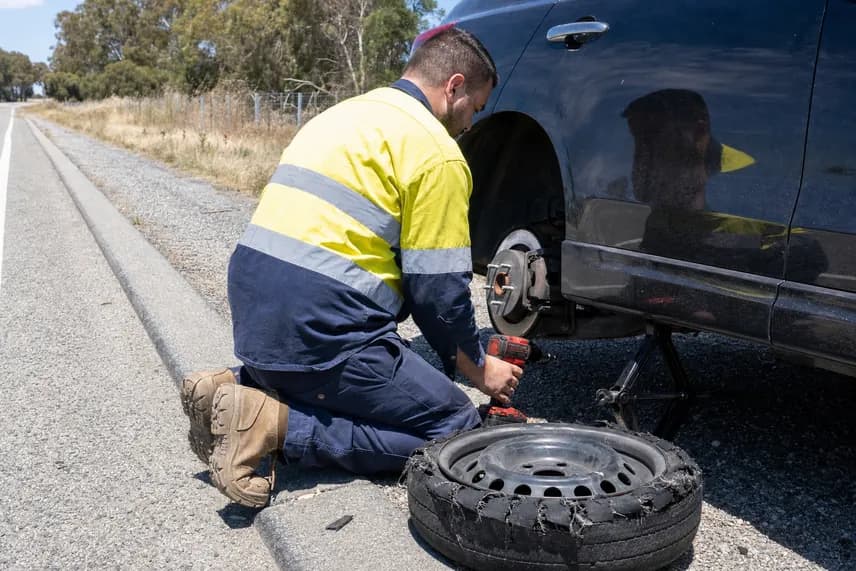
Common Causes of Tyre Failure in Australia
Understanding tyre blowout causes helps reduce risk. Australian driving conditions place extra stress on tyres, especially over long distances.
Heat is a major factor as it expands the air inside the tyres. For every 10 degrees of temperature increase, tyre pressure increases by 1 to 2 PSI, according to National Seniors Australia. High temperatures and long drives increase pressure and weaken tyre structure. Road hazards such as potholes and debris can also cause sudden damage.
Underinflation, worn tyres, and overloading are also common issues that increase the likelihood of failure.
| Cause | How It Leads to Failure | Risk Level |
|---|---|---|
| Underinflation | Excess heat build-up from flexing | High |
| Heat exposure | Increased pressure and weakening | High |
| Road hazards | Structural damage to the tyre | Medium to High |
| Worn tyres | Reduced strength and grip | High |
| Overloading | Excess stress on tyre walls | High |
Warning Signs Before a Tyre Blowout
Tyre failure often gives early warning signs. Recognising these can help you act before the situation becomes dangerous.
Vibrations through the steering wheel or floor can indicate internal damage. Unusual sounds such as thumping or flapping may signal that the tyre is weakening. These signs should never be ignored.
Visual checks are just as important. Cracks, bulges, or sidewall damage suggest the tyre is no longer structurally sound. Dashboard alerts, particularly low tyre pressure warnings, also point to common tyre blowout causes.
| Warning Sign | Possible Issue | Risk Outcome |
|---|---|---|
| Vibrations | Internal damage | Increased failure risk |
| Thumping noise | Structural weakness | Sudden tyre burst possible |
| Bulges or cracks | Sidewall damage | High risk of failure |
| Low pressure warning | Underinflation | Heat build-up and failure |
| Uneven wear | Alignment or pressure issue | Progressive tyre damage |
How to Prevent a Tyre Blowout
Preventing tyre failure comes down to consistent maintenance and sensible driving habits. Small checks can significantly reduce risk. Checking your tyres regularly is best, especially before long trips. Inspect tyres for damage, wear, or foreign objects. These simple habits help catch problems early.
Driving style also matters. Avoid overloading your vehicle and reduce speed in extreme heat. Take extra care on rough or unsealed roads, where impacts are more likely.
- Check tyre pressure monthly
- Inspect tyres before long drives
- Rotate tyres as recommended
- Avoid carrying excess weight
- Replace tyres before they become worn
Choosing Safe and Reliable Tyres
The quality and condition of your tyres play a major role in reducing the risk of a blowout. While no tyre is completely immune to damage or failure, well-made tyres that are properly maintained generally provide better grip, stronger heat resistance, and more predictable handling on Australian roads.
Long highway drives, hot road surfaces, and heavy vehicle loads place extra stress on tyres across Australia. Choosing the right tyre for your vehicle and driving conditions can improve safety and reduce long-term running costs.
What To Look For in a Quality Tyre
When choosing tyres, focus on safety, durability, and suitability for your driving conditions rather than simply choosing the cheapest option available.
- Strong wet and dry grip performance
- Good heat resistance for Australian temperatures
- Correct load and speed ratings for your vehicle
- Even tread wear and long lifespan
- Low road noise and stable handling
- A recent manufacturing date
Are More Expensive Tyres Worth It?
In many cases, higher-quality tyres can reduce risk and save money over time. Premium tyres often use stronger materials and more advanced construction methods that improve heat management, grip, braking performance, and overall durability.
Cheaper tyres may cost less upfront, but they can wear faster, perform poorly in wet conditions, and become more vulnerable to heat-related damage during long drives. Lower-quality construction may also increase the chance of uneven wear or tyre failure if maintenance is neglected.
| Feature | Budget Tyres | Premium Tyres |
|---|---|---|
| Heat resistance | Lower | Higher |
| Wet weather braking | Moderate | Stronger performance |
| Tread lifespan | Usually shorter | Often longer lasting |
| Road noise | Can be louder | Usually quieter |
| Emergency handling | Less predictable | More stable |
That does not mean the most expensive tyre is always the best option. Proper tyre pressure, regular inspections, wheel alignment, and sensible driving habits still have a major impact on safety and tyre lifespan.
Popular Tyre Brands Known for Safety and Reliability
Several tyre brands are consistently well-reviewed for safety, durability, and performance in Australian driving conditions. Brands such as Michelin, Bridgestone, Continental, Goodyear, and Pirelli are commonly recognised for producing tyres with strong grip, heat resistance, and long tread life.
Some tyre models are particularly well known for durability and everyday road performance. The Michelin Primacy series is widely regarded for comfort and long tread life, while the Bridgestone Turanza range is popular for highway stability and wet weather handling. The Continental PremiumContact series is also commonly recommended for balanced grip, braking performance, and heat management during long-distance driving.
Different tyres suit different vehicles and driving styles, so it is important to choose a tyre that matches your vehicle type, load requirements, budget, and typical road conditions rather than relying on brand name alone.
When to Call a Towing Service
Not every situation can be safely handled on the roadside. After a tyre failure, the priority is always your safety, and in many cases, continuing to drive is not worth the risk.
If the tyre is badly damaged, the vehicle feels unstable, or you are stopped in a high-traffic or unsafe location, it is best to arrange professional towing assistance. The same applies if you do not have a spare tyre or the proper tools to change it safely.
Driving on a damaged tyre or compromised wheel can lead to further mechanical issues and increase the chance of losing control. Acting early helps prevent additional damage and keeps you out of danger.
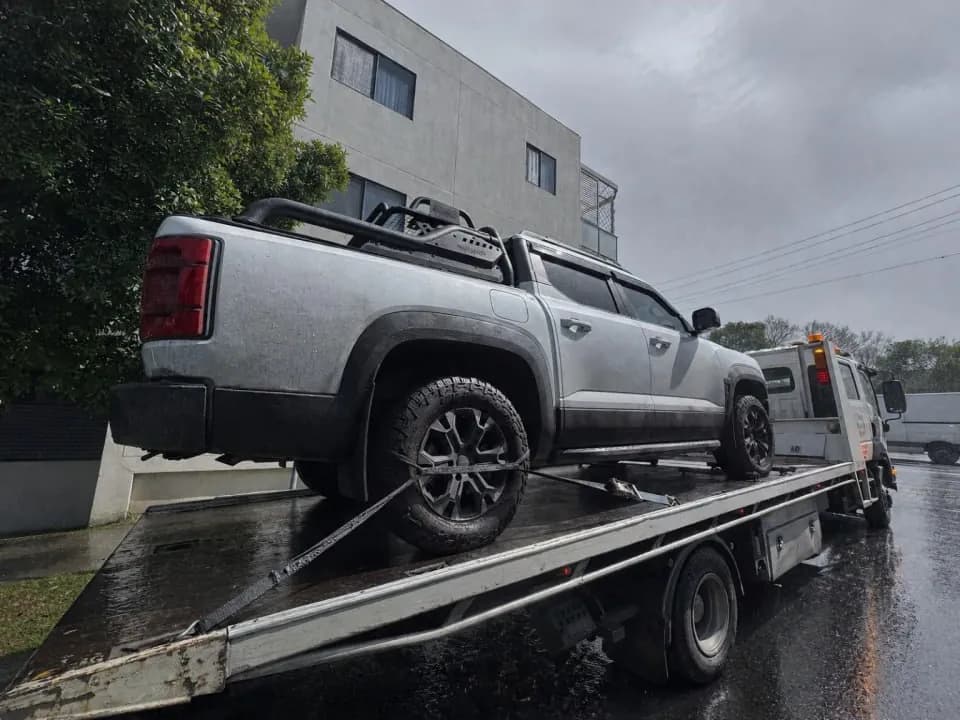
Frequently Asked Questions
Stay calm, keep both hands firmly on the steering wheel, and avoid slamming on the brakes. Ease off the accelerator gradually and allow the vehicle to slow down naturally before carefully moving to the side of the road.
In most cases, you should not continue driving after a tyre blowout. Driving on a damaged tyre or wheel can make the vehicle unstable and cause further damage. If the tyre is badly damaged or you feel unsafe, call for roadside assistance or towing.
Common causes include underinflated tyres, excessive heat, worn tread, overloading, potholes, road debris, and damaged sidewalls. Australian conditions such as long highway drives and hot road surfaces can increase the risk.
Yes. A tyre blowout at highway speeds can make the vehicle pull sharply to one side and increase the risk of losing control. Staying calm and avoiding sudden braking or steering is critical.
Avoid sudden or heavy braking immediately after a blowout. Sudden braking can cause skidding or loss of control. Instead, ease off the accelerator and brake gently only once the vehicle is stable.
Yes. A severe blowout can damage the wheel rim, suspension components, wheel alignment, and nearby body panels. It is best to have the vehicle inspected after a major tyre failure.
Staying Safe and In Control
A tyre blowout can happen without warning, but a calm and controlled response helps you stay safe. Keeping the vehicle stable, slowing down gradually, and pulling over safely are the key steps. Prevention plays a big role. Regular checks, proper tyre care, and adjusting your driving to Australian conditions can significantly reduce the chances of failure.
If you are unable to continue safely, professional assistance may be needed. Give us a call. Quokka Towing provides fast, reliable, and affordable towing services, available 24/7.