

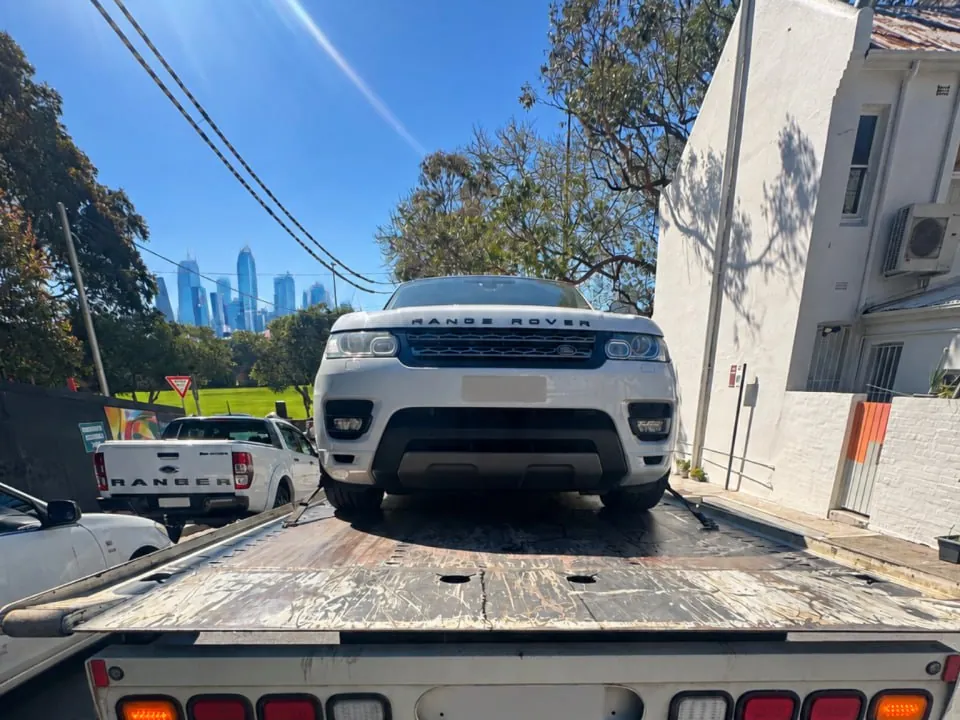
Most of the common car problems that result in breakdowns in Australia come down to a relatively small number of recurring faults. Battery failures, tyre damage, overheating, electrical faults, and neglected maintenance consistently account for the majority of roadside callouts. While some failures happen suddenly, most develop gradually through heat, wear, poor servicing, or neglected warning signs.
Australian driving conditions place unique stress on vehicles. Long highway distances, high ambient temperatures, stop-start urban traffic, and rough regional roads all accelerate wear differently. A car that performs perfectly during short suburban trips may struggle under sustained heat or long-distance driving if maintenance has been overlooked.
The good news is that many breakdowns are preventable. Understanding how these problems develop, and recognising the early warning signs, can significantly reduce the risk of being stranded.
What You Need to Know
- Battery and electrical faults remain the leading cause of roadside breakdowns
- Tyre failures are often linked to heat, pressure issues, or hidden damage
- Overheating can rapidly escalate into major engine damage if ignored
- Fuel and ignition faults commonly begin as minor drivability issues
- Poor maintenance is one of the biggest contributors to avoidable breakdowns
- Australian heat and long-distance driving increase stress on critical components
Why Cars Break Down More Often in Australian Conditions
Vehicles in Australia operate under harsher conditions than many drivers realise. Heat alone has a major effect on batteries, tyres, cooling systems, fluids, and electronics. Long regional drives place continuous stress on engines and drivetrains, while stop-start traffic creates repeated heating and cooling cycles that accelerate wear.
Many breakdowns are not caused by a single catastrophic failure. Instead, they result from smaller issues building over time until one component finally reaches its limit.
Modern vehicles are also far more electronically dependent than older cars. Car issues that once may have caused a minor inconvenience before can now disable starting systems, trigger limp mode, or affect multiple vehicle functions simultaneously.
Battery & Electrical Failures
Electrical faults remain one of the most common car problems that cause roadside assistance callouts across Australia. Modern vehicles rely heavily on stable voltage to operate everything from ignition systems to fuel management, sensors, steering assistance, and safety technology.
Because of this, even a relatively small electrical issue can quickly affect the vehicle’s ability to start or run properly.
Battery Failure
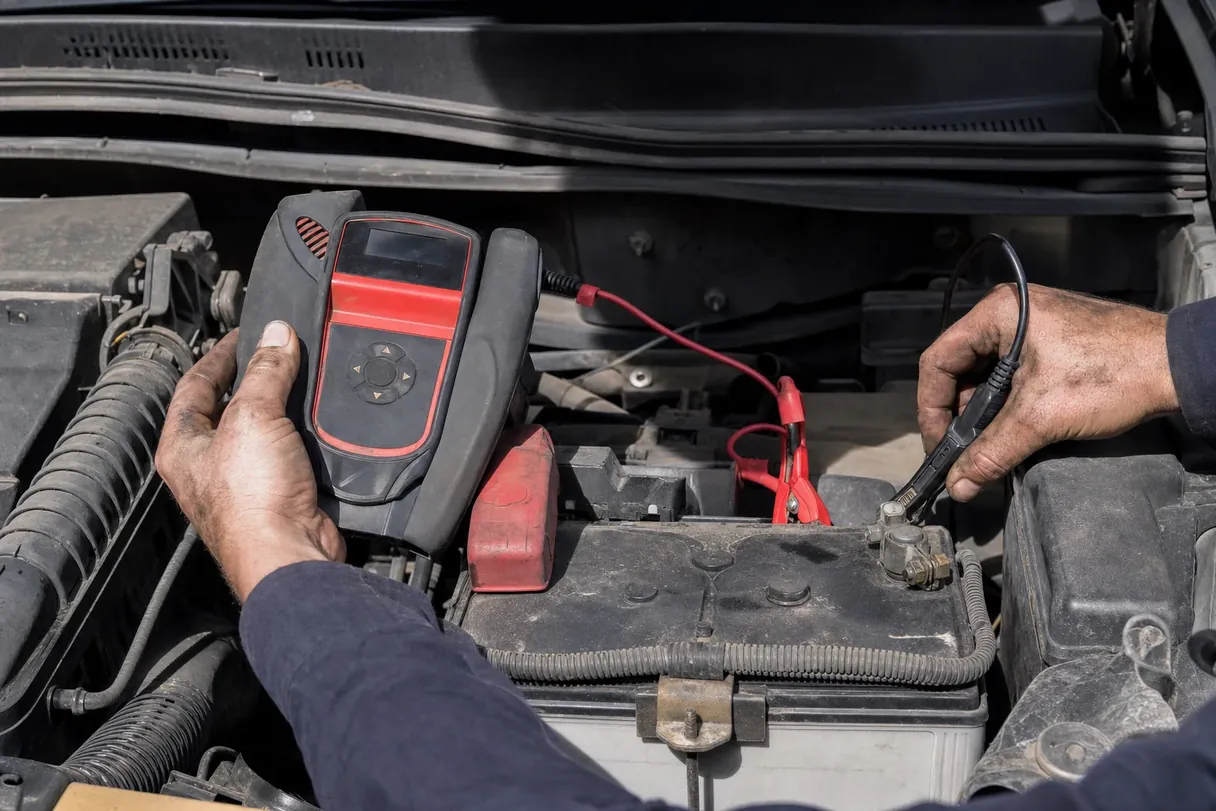
Battery failure is one of the most common causes of sudden no-start situations. In many cases, the battery has been weakening for weeks or months before complete failure occurs.
Heat is one of the biggest contributors. High temperatures accelerate internal battery degradation, particularly during Australian summers. Short trips also reduce charging efficiency because the alternator does not have enough time to fully replenish the battery after startup.
Common warning signs include:
- Slow engine cranking
- Flickering dashboard lights
- Dim headlights
- Electrical accessories are operating inconsistently
- Intermittent starting problems
Alternator Problems
The purpose of the alternator is to keep the battery charged while powering the vehicle’s electrical systems during driving. If it begins failing, the vehicle may continue operating temporarily until battery voltage drops too low.
Unlike a simple flat battery, alternator faults can cause a vehicle to stall while driving, potentially creating an unsafe situation. As voltage decreases, systems begin shutting down progressively, which can affect steering assistance, transmission behaviour, and engine management.
Starter Motor & Wiring Faults
Starter motors typically fail with little warning. Clicking noises, grinding during startup, or complete silence when turning the key are all common signs.
Wiring faults are becoming increasingly common as vehicles age. Damaged wiring, poor earth connections, failing relays, moisture intrusion, and aftermarket accessory installations can all create unpredictable electrical behaviour.
Tyre Damage & Blowouts
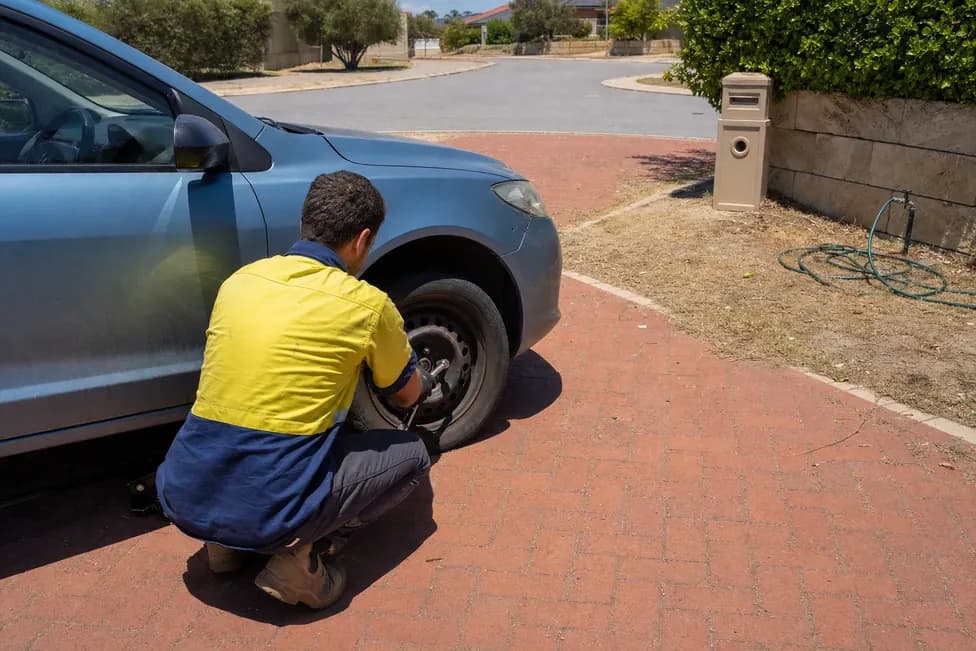
Tyre failures are among the most dangerous roadside car problems because they often occur at speed and with limited warning. Australian road conditions vary dramatically between urban areas, highways, and regional roads. Combined with extreme heat, these conditions place substantial stress on tyres.
Worn Tread
Tyres gradually lose grip as tread depth decreases, especially in wet conditions where water dispersion becomes critical.
Worn tyres:
- Increase stopping distances
- Reduce cornering stability
- Increase aquaplaning risk
- Struggle in emergency braking situations
Many drivers do not realise how compromised their traction has become until they experience the lack of grip. According to Transport WA vehicle safety standards, tread depth should be at least 1.5mm thick.
Incorrect Tyre Pressure
Incorrect tyre pressure is one of the most overlooked causes of tyre failure. Underinflated tyres generate excessive heat because the sidewalls flex more during driving. Over time, this weakens the tyre structure internally. Overinflated tyres create reduced road contact, uneven wear, and harsher impact loading.
Even small pressure variations can significantly affect:
- Tyre lifespan
- Fuel consumption
- Braking performance
- Vehicle stability
Sidewall & Impact Damage
Kerbs, potholes, and rough roads can damage tyre sidewalls without immediately causing a visible puncture.
This type of damage is dangerous because the tyre may appear normal externally while internal structural weakening develops. Under highway heat and speed, these weak points can eventually fail and cause sudden blowouts.
Engine Overheating & Cooling System Failures
Overheating is one of the most common car issues, and a quick way to cause severe engine damage. Modern engines operate within very tight temperature ranges, and even a relatively short overheating event can damage head gaskets, warp components, or lead to complete engine failure.
Australian heat places additional strain on cooling systems, particularly during long-distance travel or heavy traffic conditions.
Common Cooling System Failures
| Component | Common Problem | Result |
|---|---|---|
| Radiator | Blockage or leaks | Reduced cooling efficiency |
| Thermostat | Stuck closed | Rapid overheating |
| Water pump | Circulation failure | Coolant stops flowing properly |
| Cooling fans | Electrical failure | Poor cooling at low speeds |
| Hoses | Cracks or leaks | Coolant loss |
Why Overheating Happens
Cooling systems fail gradually more often than suddenly. Small coolant leaks, ageing hoses, blocked radiators, or worn water pumps may not create immediate symptoms. Over time, however, the system loses its ability to manage heat effectively.
Drivers often don’t pay attention to early signs such as:
- Rising temperature gauges
- Coolant smells
- Steam from the engine bay
- Heater performance changes
- Coolant loss between services
By the time severe overheating occurs, major damage may have already occurred internally. Overheating is often the result of a failing cooling system.
Fuel & Ignition Problems
Fuel and ignition faults often begin as drivability problems before progressing into full breakdowns.
Fuel-Related Issues
Running out of fuel remains surprisingly common, particularly with inaccurate range estimates during long-distance driving. Misfuelling is another major issue. Petrol in a diesel vehicle, or diesel in a petrol vehicle, can cause significant mechanical damage if the engine is started.
Contaminated fuel, blocked fuel filters, and failing fuel pumps can also cause:
- Hard starting
- Power loss
- Engine hesitation
- Stalling
Ignition System Faults
Ignition systems are responsible for starting combustion and maintaining smooth engine operation.
Worn spark plugs or failing ignition coils often begin as:
- Rough idle
- Misfires
- Reduced fuel efficiency
- Poor acceleration
If ignored, these problems place additional strain on the engine and catalytic converter, eventually increasing the likelihood of complete failure.
Transmission & Drivetrain Problems
Transmission faults are rarely sudden. Most develop progressively through heat, fluid degradation, or internal wear. Automatic transmissions rely heavily on clean fluid for lubrication, cooling, and hydraulic pressure. Low fluid levels or overdue servicing can accelerate internal wear significantly.
Drivers may notice:
- Delayed gear engagement
- Harsh shifting
- Slipping gears
- Shuddering during acceleration
- Burning smells
- Whining noises
Manual vehicles commonly experience clutch wear over time, particularly in heavy traffic conditions or towing applications. Once major transmission damage develops, repairs may become extremely expensive.
Problems Caused by Poor Maintenance
Many serious breakdowns begin as relatively minor issues that were not addressed.
Skipping scheduled servicing allows wear to accumulate gradually across multiple systems. Old fluids lose effectiveness, belts deteriorate, batteries weaken, and small leaks become larger failures. Modern vehicles are particularly sensitive to neglected maintenance because many systems depend on precise operating conditions and sensor readings.
How to Reduce the Risk of a Breakdown
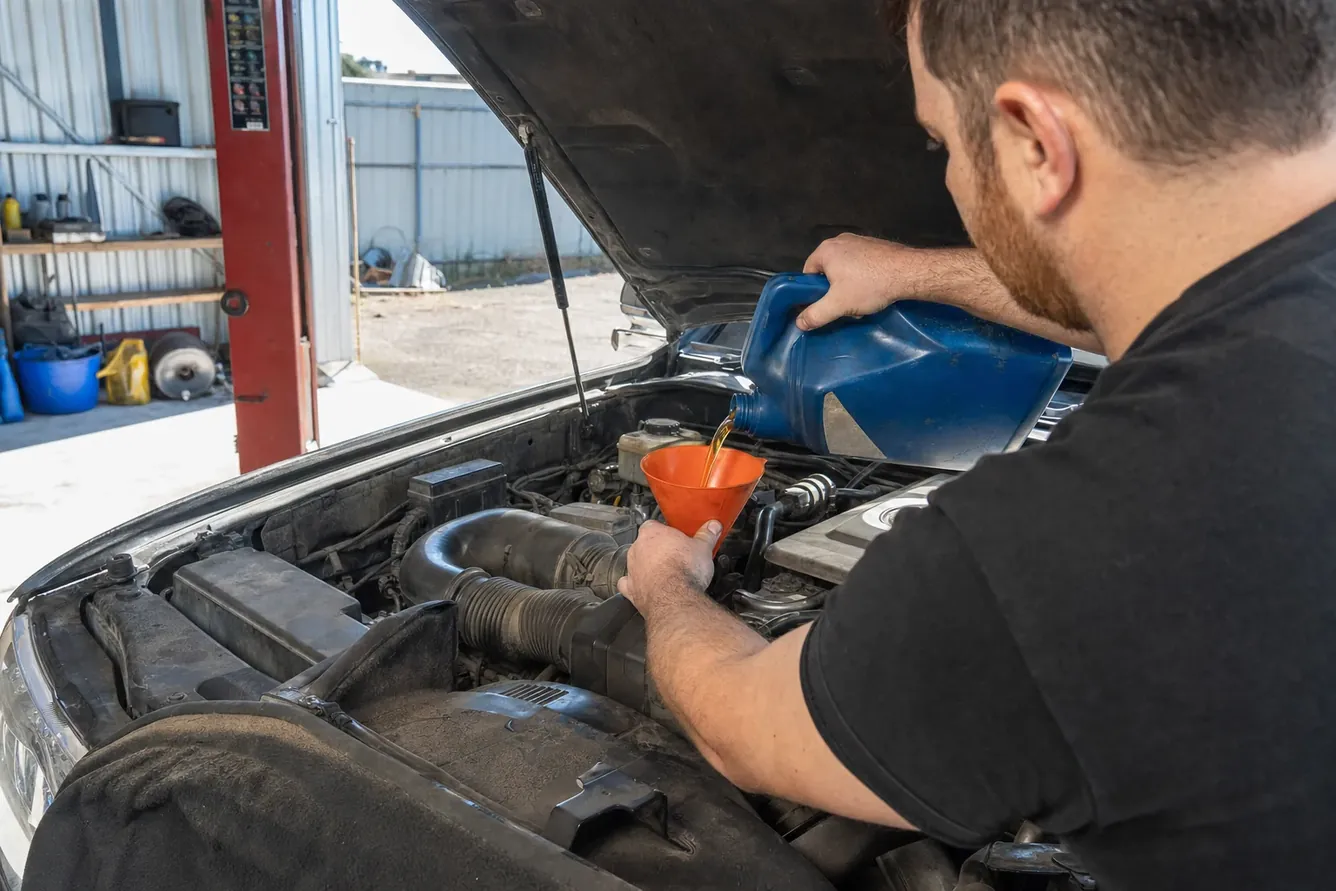
Reducing breakdown risk comes down to consistency rather than complicated mechanical knowledge. Drivers who regularly inspect their vehicles and respond early to warning signs are far less likely to experience major failures.
Simple preventative habits include:
- Checking tyre pressures monthly
- Monitoring coolant and oil levels
- Replacing ageing batteries proactively
- Paying attention to warning lights
- Servicing the vehicle on schedule
- Investigating unusual noises or vibrations early
Long-distance driving also requires additional preparation, particularly during summer or regional travel.
Frequently Asked Questions
Battery failure is the most common cause of common car problems. Heat and driving habits contribute significantly to battery wear and failure.
Yes, many common car breakdown problems can be prevented. Regular servicing and basic checks reduce the likelihood of major issues.
Warning signs include unusual noises, warning lights, and changes in performance. These are early indicators of developing common car issues.
Yes, heat and long distances increase stress on vehicles. These conditions contribute to many common car problems.
Why Early Action Matters
Most vehicle breakdowns are not random events. They are usually the result of heat, wear, neglected maintenance, or early warning signs being ignored for too long. Battery failures, tyre damage, overheating, and electrical faults continue to account for the majority of roadside callouts across Australia because these systems operate under constant stress.
The best way to avoid major repairs is to address smaller issues early. Regular servicing, preventative inspections, and paying attention to changes in vehicle behaviour can dramatically reduce the risk of unexpected breakdowns and expensive mechanical failures later on.
If you do find yourself stranded, having access to reliable roadside assistance and professional towing support can make the situation far less stressful. Our team responds across the region with fast, safe vehicle transport when you need it most. Give us a call.