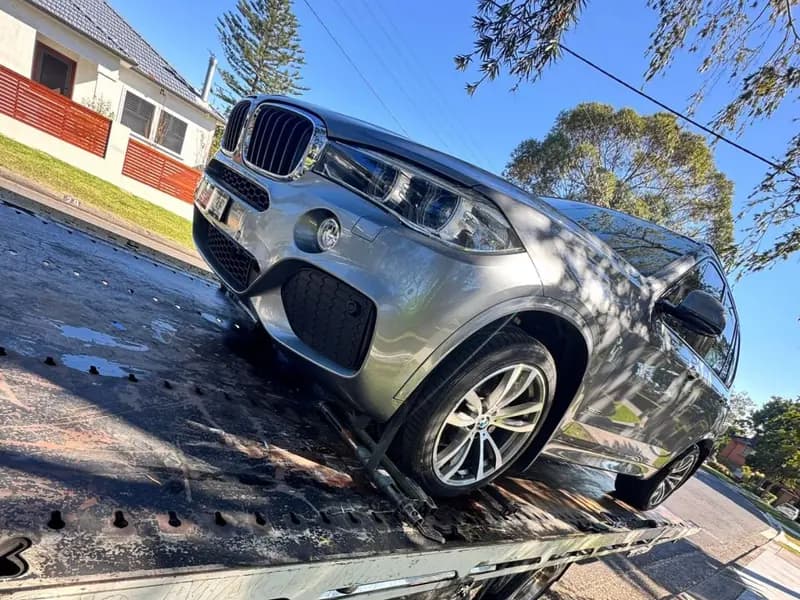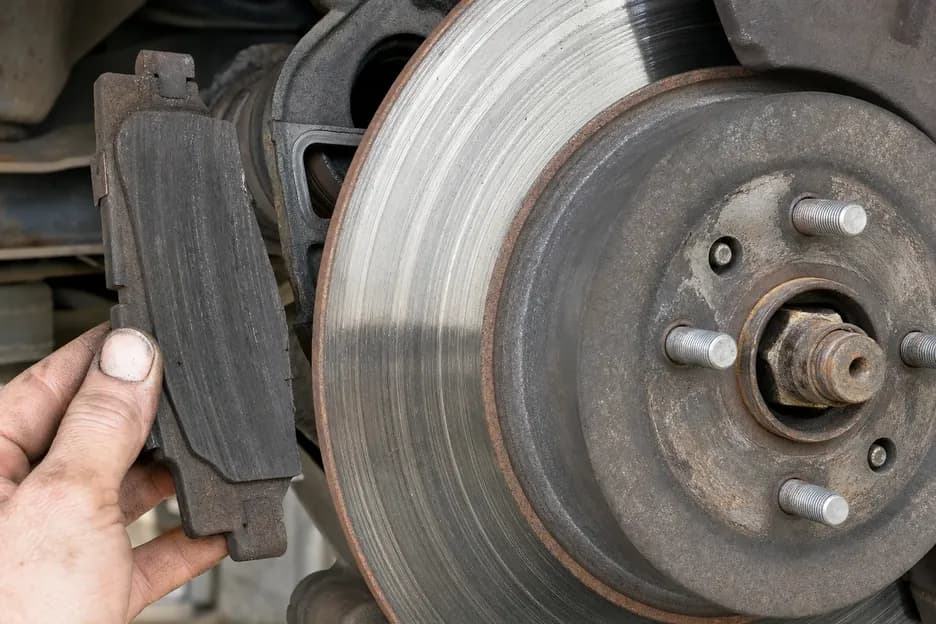
If you suspect faulty brakes, stop driving as soon as it is safe and have your vehicle inspected before getting back on the road. Even if your vehicle still stops, reduced braking performance can quickly become a serious safety risk if ignored.
Brake faults rarely improve on their own. Recognising the warning signs early and knowing how to respond can help you avoid an accident, reduce repair costs and protect everyone on the road. This guide explains how to identify braking faults, what to do if your brakes fail while driving and the steps you can take to reduce the risk of future problems.
Brake Safety At A Glance
Most braking faults develop gradually before they become dangerous. Paying attention to changes in the way your vehicle feels, sounds or responds allows you to act before a minor issue becomes a major safety concern.
- Faulty brakes should always be inspected before the vehicle is driven again.
- Warning signs often appear before complete brake failure.
- If your vehicle becomes difficult to stop, pull over somewhere safe as soon as possible.
- Professional repairs are safer than continuing to drive with suspected braking faults.
How Can You Tell If Your Brakes Are Faulty?
Your braking system is designed to provide smooth, predictable stopping power every time you press the pedal. When something changes, your vehicle will usually provide warning signs before braking performance deteriorates further.
Some faulty brake symptoms appear gradually, while others develop without warning. Understanding what these signs mean allows you to arrange repairs before your vehicle becomes unsafe to drive.
| Warning Sign | Possible Cause | What You Should Do |
|---|---|---|
| Brake warning light | Low brake fluid or hydraulic fault | Arrange an inspection immediately |
| Squealing or grinding | Worn braking components | Avoid driving if grinding is present |
| Soft brake pedal | Hydraulic pressure loss | Have the braking system checked |
| Vehicle pulls while braking | Uneven braking force | Book repairs before driving further |
| Longer stopping distance | Reduced braking efficiency | Stop driving if braking performance worsens |
When Should You Stop Driving Immediately?
Not every brake concern requires an emergency response, but some warning signs mean the vehicle should not be driven any further. If you’re unsure, it’s always safer to err on the side of caution.
| Situation | Should You Continue Driving? |
|---|---|
| Brake warning light with reduced braking | No |
| Grinding noise while braking | No |
| Soft or spongy brake pedal | No |
| Vehicle pulls heavily while braking | No |
| Light brake squeal only | Arrange an inspection as soon as possible. |
Common Warning Signs You Should Never Ignore
Many braking faults begin with subtle changes that are easy to overlook. Paying attention to these early warning signs can help prevent more serious damage and reduce the likelihood of brake failure.
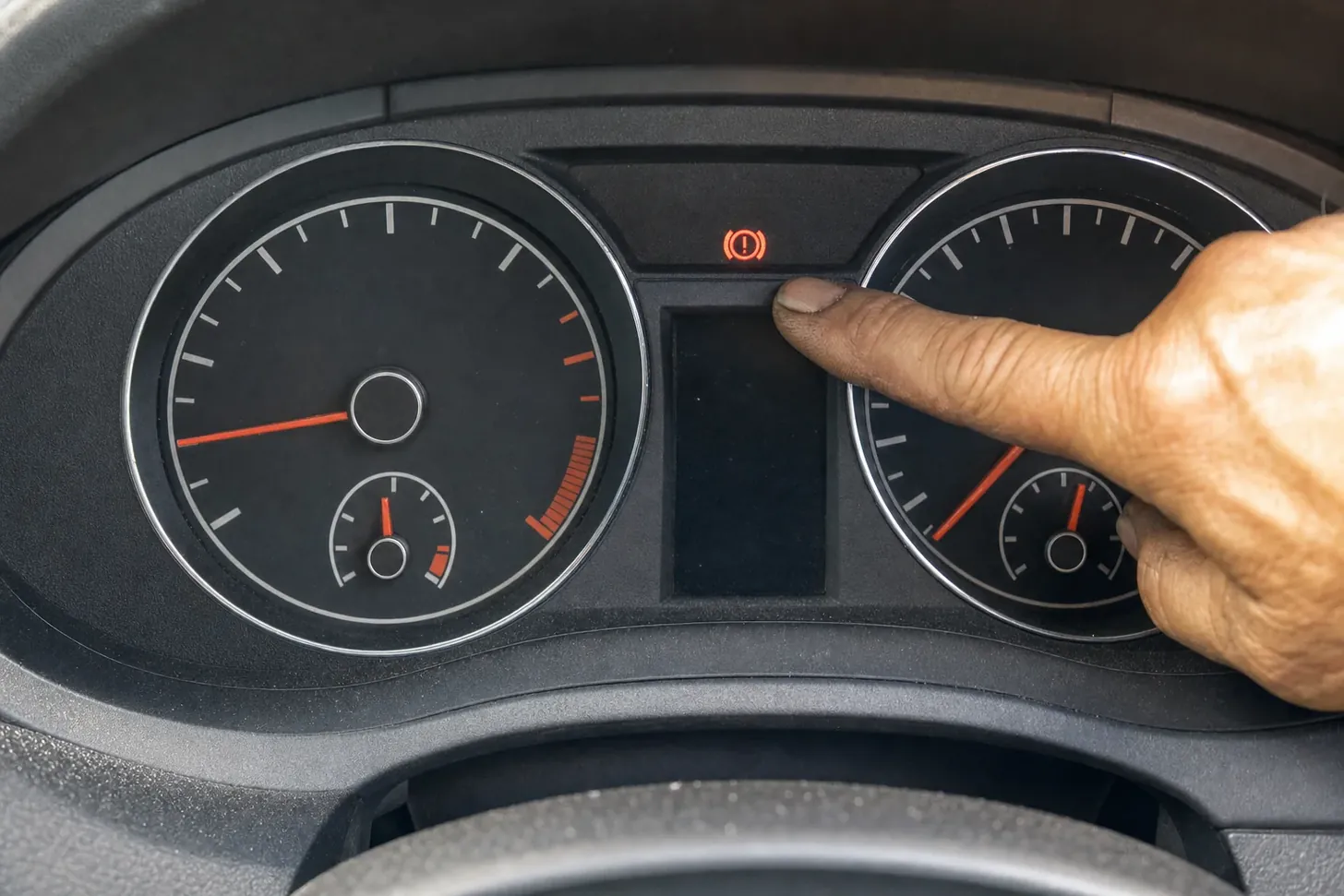
- Brake warning light: May indicate low brake fluid, a hydraulic fault or another issue affecting braking performance.
- Squealing or squeaking: Often caused by worn brake pads or light surface rust after the vehicle has been parked.
- Grinding noises: Usually means metal components are contacting the brake disc, and repairs are needed immediately.
- Soft or spongy brake pedal: Can indicate air in the brake lines or contaminated brake fluid, reducing stopping performance.
Ignoring these warning signs can lead to developing car brake problems that become more expensive and more dangerous over time. Even if the vehicle still stops, changes in braking performance should never be dismissed.
Changes In Vehicle Handling While Braking
Your vehicle should remain stable, predictable and easy to control every time you brake. If steering behaviour changes while slowing down, the braking system should be inspected before further driving.
| Driving Behaviour | Likely Cause |
|---|---|
| Vehicle pulls left or right | Faulty brake caliper |
| Steering wheel vibrates | Warped or uneven brake discs |
| Longer stopping distance | Reduced braking performance |
| Uneven braking feel | Faulty brake pads |
These changes often indicate common brake problems that require prompt attention. Continuing to drive with faulty brakes increases the risk of losing control during an emergency stop.
What Should You Do If You Suspect Faulty Brakes?
Responding quickly can prevent a minor fault from becoming a dangerous roadside emergency. Rather than hoping the problem disappears, take practical steps to protect yourself, your passengers and other road users.
Acting early also helps reduce repair costs because worn components can often be replaced before additional damage occurs.
Stop Driving Safely And Arrange A Professional Inspection
If your vehicle no longer feels safe to drive, avoid continuing your journey. Even a small change in braking performance can become much worse without warning.
- Reduce your speed gradually.
- Pull over somewhere safe.
- Avoid unnecessary driving.
- Arrange for a qualified mechanic to inspect the vehicle.
- If the vehicle feels unsafe, organise transport instead of driving it.
Many serious braking failures begin as relatively minor brake issues. If you believe you have faulty brakes, arranging professional repairs immediately is the safest decision.
What Should You Do If Your Brakes Fail While Driving?
Although complete brake failure is uncommon, every driver should know how to respond if it happens. Remaining calm and following the correct steps gives you the best chance of slowing the vehicle safely and avoiding a collision.
Your priority should be maintaining control while reducing speed gradually. Sudden steering movements or panic can make an already dangerous situation much worse.
| Step | Why It Matters |
|---|---|
| Stay calm | Helps you make safe decisions and maintain control. |
| Keep the engine running | Maintains power steering assistance. |
| Pump the brake pedal | May temporarily restore hydraulic pressure. |
| Use engine braking | Reduces speed without relying only on the brakes. |
| Apply the parking brake gradually | Helps slow the vehicle while maintaining stability. |
| Use hazard lights | Warns surrounding traffic that your vehicle has a problem. |
| Stop in a safe location | Reduces the risk of further danger. |
Steps To Bring Your Vehicle To A Safe Stop
If your brakes stop responding properly, avoid panicking. Staying calm allows you to think clearly and make safer decisions while bringing the vehicle under control.
- Keep both hands firmly on the steering wheel.
- Leave the engine running to maintain power steering assistance.
- Pump the brake pedal firmly several times if it suddenly feels soft.
- Shift into lower gears gradually to use engine braking.
- Apply the parking brake slowly and steadily if extra braking is required.
- Turn on your hazard lights to alert surrounding traffic.
- Move towards a safe stopping location away from moving vehicles.
- Once stopped, avoid driving the vehicle again until it has been repaired.
If braking does not improve and you suspect broken brakes, arrange for the vehicle to be transported rather than attempting to continue your journey. Driving with a broken brake can place everyone on the road at unnecessary risk.
What Causes Faulty Brakes?
Braking systems contain many components that work together every time you slow down. As these parts wear or become damaged, braking performance gradually declines and the likelihood of unexpected failures increases.
Understanding the most common causes makes it easier to recognise problems early and arrange repairs before they become a serious safety concern.
Mechanical Faults That Affect Braking Performance
| Cause | How It Affects Your Vehicle |
|---|---|
| Faulty brake pads | Reduce stopping power and can damage brake discs if left worn. |
| Brake fluid leaks | Reduce hydraulic pressure and make the brake pedal feel soft. |
| Air or moisture in the brake system | Reduce braking efficiency and increase stopping distances. |
| Overheated brakes | Can temporarily reduce braking performance during heavy use. |
| Corroded components | Cause uneven wear and reduce braking reliability over time. |
Regular servicing allows these problems to be identified before they affect your ability to stop safely. If left unresolved, these faults often develop into more serious brake problems that require extensive repairs.
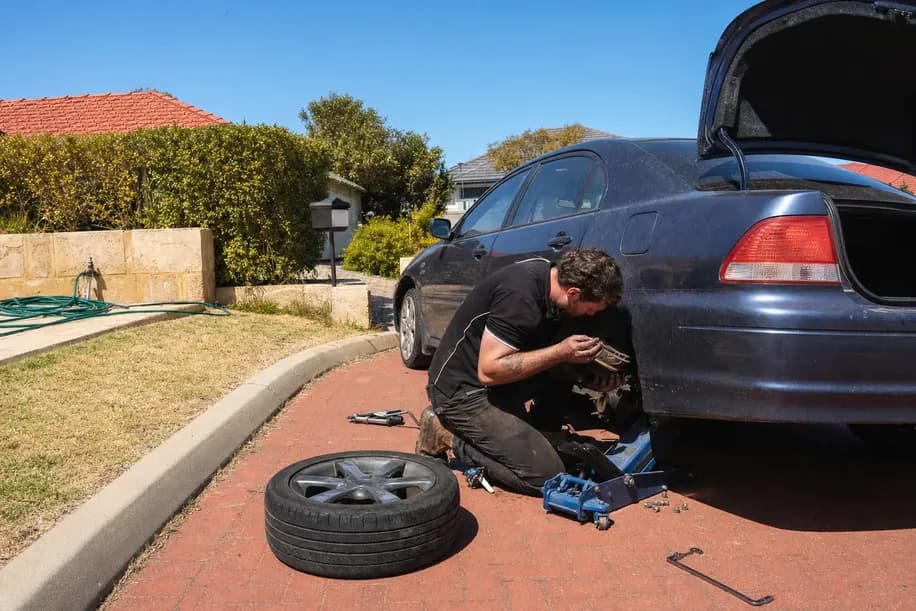
Driving with faulty brakes also increases wear on other braking components, which can make repairs more expensive than addressing the problem early.
How Can You Help Prevent Brake Problems?
While normal wear cannot be avoided completely, regular maintenance and sensible driving habits can significantly reduce the likelihood of unexpected brake failures. Transport WA lists brakes as first on the list of components that need to be checked regularly. Preventative maintenance also helps your braking system perform consistently in everyday driving.
Car routine checks and servicing often identify small issues before they become expensive repairs or safety concerns.
Simple Maintenance Habits That Improve Brake Safety
- Include a brake inspection during every scheduled vehicle service.
- Check brake fluid regularly and investigate any unexpected loss.
- Replace worn brake pads before they damage the brake discs.
- Leave a safe following distance to avoid unnecessary heavy braking.
- Use engine braking on long downhill roads where appropriate.
- Have unusual noises or vibrations inspected promptly.
These maintenance habits reduce unnecessary wear and help prevent a faulty brake from developing into a more serious safety issue. They also lower the likelihood of experiencing unexpected car brake problems during everyday driving.
Frequently Asked Questions
No. If you suspect faulty brakes, you should stop driving as soon as it is safe and arrange for the vehicle to be inspected. Even if the vehicle still stops, braking performance can deteriorate quickly without further warning.
The most common faulty brakes symptoms include a brake warning light, squealing or grinding noises, a soft brake pedal, vibration while braking, the vehicle pulling to one side and longer stopping distances. Any of these warning signs should be investigated promptly.
A faulty brake caliper is commonly caused by corrosion, seized pistons, damaged seals or general wear over time. A sticking caliper can cause uneven braking, increased brake pad wear and reduced vehicle control during braking.
Faulty brake pads often produce squealing or grinding noises and reduce braking performance. During routine servicing, a mechanic can measure the remaining pad material and recommend replacement before damage occurs to the brake discs.
If you suspect broken car brakes, reduce your speed carefully, pull over in a safe location and avoid driving any further. The safest option is to have the vehicle transported to a qualified repairer for inspection and repairs.
The repair cost depends on the cause of the fault. Some common brake problems, such as replacing worn brake pads, are relatively affordable, while repairs involving hydraulic components, calipers or brake discs may become more expensive if the problem is ignored.
Protect Yourself By Acting Early
Recognising the warning signs of faulty brakes and responding quickly can help prevent a minor issue from becoming a serious safety risk. Whether you notice unusual noises, a soft brake pedal, vibration or longer stopping distances, having the vehicle inspected promptly is always the safest decision.
Routine servicing, sensible driving habits and early repairs all help reduce the likelihood of unexpected brake issues. Addressing problems before they become more severe keeps your vehicle safer, improves braking performance and may reduce long-term repair costs.
At Quokka Towing, we’ve assisted many Perth drivers whose vehicles became unsafe because of braking faults. Whether you’ve noticed unusual noises, a soft brake pedal or a sudden loss of braking performance, we’ll safely transport your vehicle to your preferred repairer so it can be inspected without putting you or other road users at risk. We provide fast, reliable, and affordable towing services across Perth, available 24/7. Contact us today for immediate assistance or get a free, no-obligation quote.