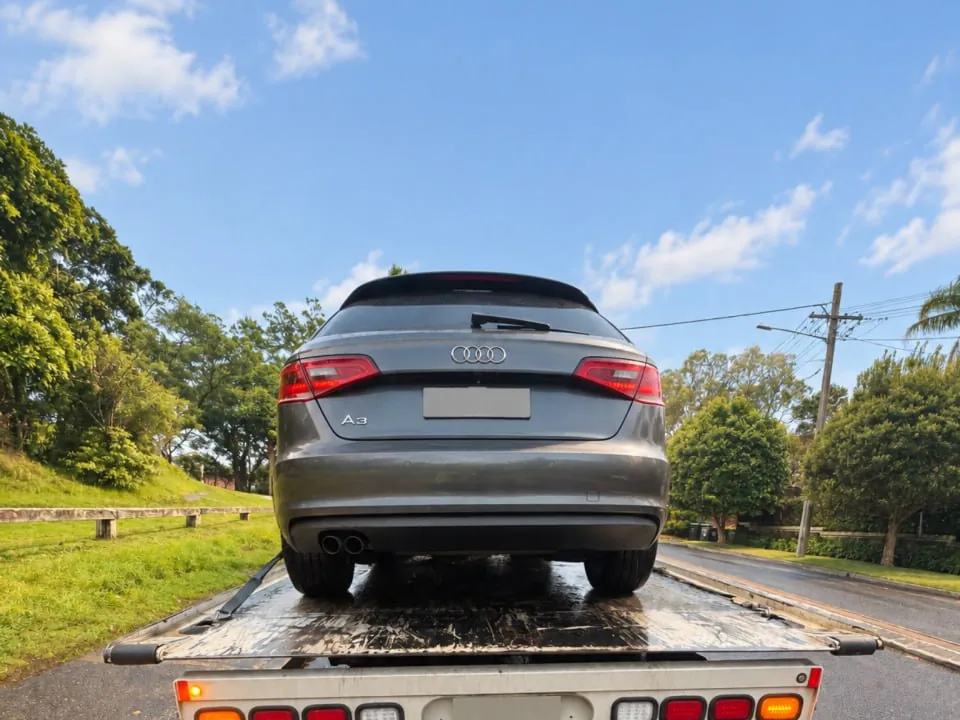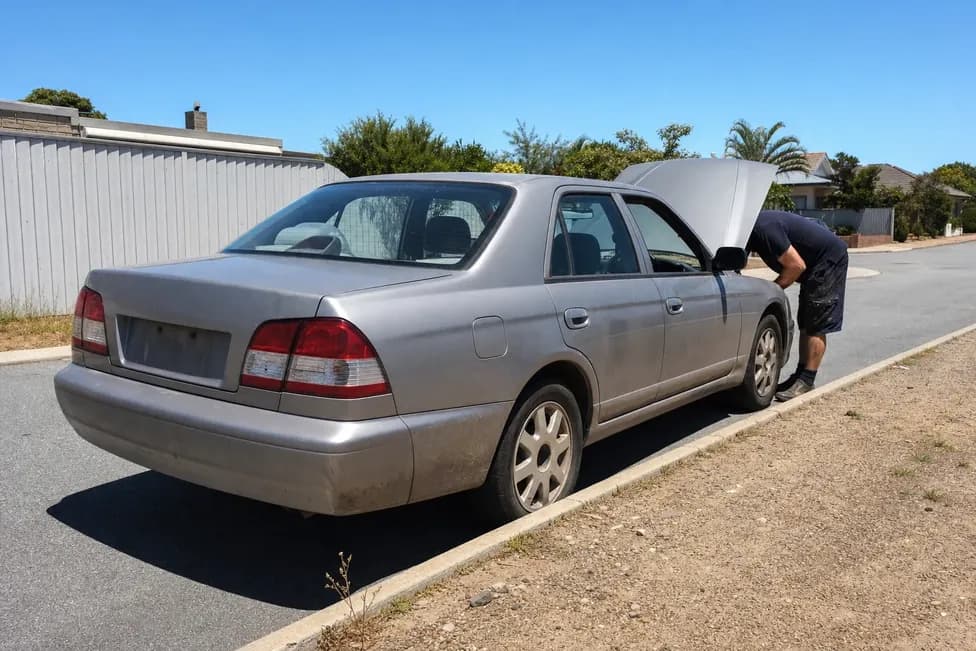
A car check before a long drive is one of the easiest ways to reduce the risk of unexpected breakdowns, avoid expensive repairs and make your journey safer. Checking your tyres, fluids, battery and other essential components before leaving allows you to identify small problems before they become major mechanical failures.
At Quokka Towing, we’ve assisted many motorists across Perth after preventable vehicle problems left them stranded. From flat batteries to overheating engines, we’ve seen how simple maintenance could have avoided many roadside emergencies. This guide explains what to inspect before travelling and why taking the time to prepare your vehicle can save both money and stress.
Your Pre-Trip Checklist
- Complete a car check before a long drive to reduce the risk of breakdowns.
- Make sure your vehicle is up to date with scheduled servicing.
- Inspect tyres, battery, brakes and essential fluids.
- Check the cooling system, lights and windscreen wipers.
- Carry emergency equipment and confirm your roadside assistance is current.
Why Is a Car Check Before a Long Drive So Important?
Long-distance driving places greater demands on your vehicle than everyday commuting. Continuous engine operation, highway speeds and changing weather conditions can expose problems that may not be noticeable during short trips around town.
Completing a car check before a long drive gives you the opportunity to identify worn or damaged components before they fail. It also helps improve safety, reduces the likelihood of expensive repairs and provides greater confidence when travelling through regional or remote parts of Australia where mechanical assistance may not be readily available.
Many breakdowns begin as relatively small issues. Low coolant, ageing batteries, worn tyres or leaking hoses often develop gradually, making them easy to overlook until they become serious enough to stop your journey. Identifying these problems early is almost always less expensive than arranging emergency repairs after a breakdown.
The Cost of Ignoring Small Problems
Preventative maintenance usually costs far less than repairing major mechanical failures. The table below highlights how simple inspections can help avoid larger expenses.
| Simple Check | Potential Consequence If Ignored |
|---|---|
| Tyre inspection | Punctures, blowouts or uneven tyre wear |
| Battery test | Flat battery and roadside assistance call-out |
| Coolant level | Engine overheating and costly repairs |
| Engine oil | Increased engine wear or engine damage |
| Brake inspection | Reduced braking performance and component wear |
Taking a proactive approach not only protects your vehicle but also helps prevent travel delays, missed bookings and the inconvenience of being stranded far from home.
Start With a Scheduled Vehicle Service
If your vehicle is approaching its next scheduled service, it’s worth having the work completed before leaving. Routine servicing allows qualified mechanics to identify developing mechanical problems that may not be obvious during a quick visual inspection.
A professional inspection becomes even more valuable if you’ve noticed warning lights, unusual noises, vibrations or changes in vehicle performance. Addressing these concerns before travelling reduces the chance of experiencing problems during your journey.
When Should You Book a Professional Inspection?
Even if your vehicle isn’t due for servicing, arranging an inspection is worthwhile if you notice fluid leaks, difficulty starting the engine, poor braking performance or steering that feels different from normal. These symptoms often indicate issues that should be repaired before undertaking a longer trip.
Check Your Tyres Before You Leave
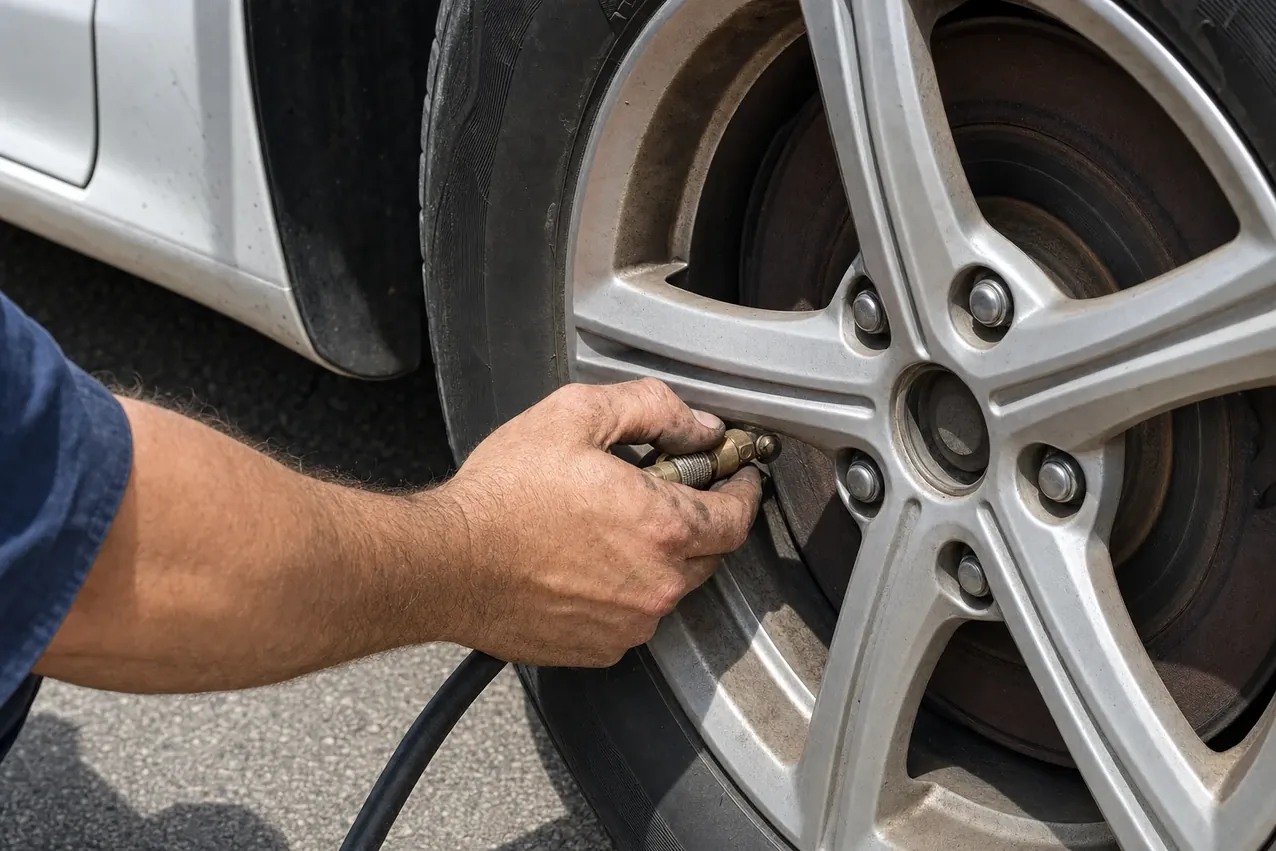
Your tyres are the only part of your vehicle that contacts the road, making them one of the most important components to inspect before travelling. A thorough car check for a long drive should always include checking tyre condition, tread depth and pressure.
Highway driving generates more heat than everyday commuting, placing additional stress on tyres. Worn tread, incorrect pressure or hidden damage can increase the likelihood of punctures or blowouts during extended trips.
Inspect Tread and Overall Condition
Inspect each tyre carefully for uneven tread wear, cuts, cracks, bulges or embedded objects. Australian law requires a minimum tread depth of 1.5 mm, although replacing tyres before they reach this limit generally provides better grip and wet-weather performance.
Uneven wear may also indicate wheel alignment or suspension problems that should be inspected before travelling.
Check Tyre Pressure
Inflate tyres according to your vehicle manufacturer’s recommended pressures and check them while they are cold. Correct tyre pressure improves fuel economy, braking performance, steering response and tyre life, making it an important part of any pre-trip inspection.
Inspect the Spare Tyre
Many drivers forget to inspect the spare tyre until they actually need it. Before leaving, make sure the spare is properly inflated and that the jack, wheel brace and any locking wheel nut key are stored safely in the vehicle.
Check All Essential Vehicle Fluids
Fluids protect your vehicle’s major mechanical systems by reducing friction, maintaining operating temperatures and supporting safe braking. Low or contaminated fluids can quickly develop into expensive mechanical failures during long-distance driving.
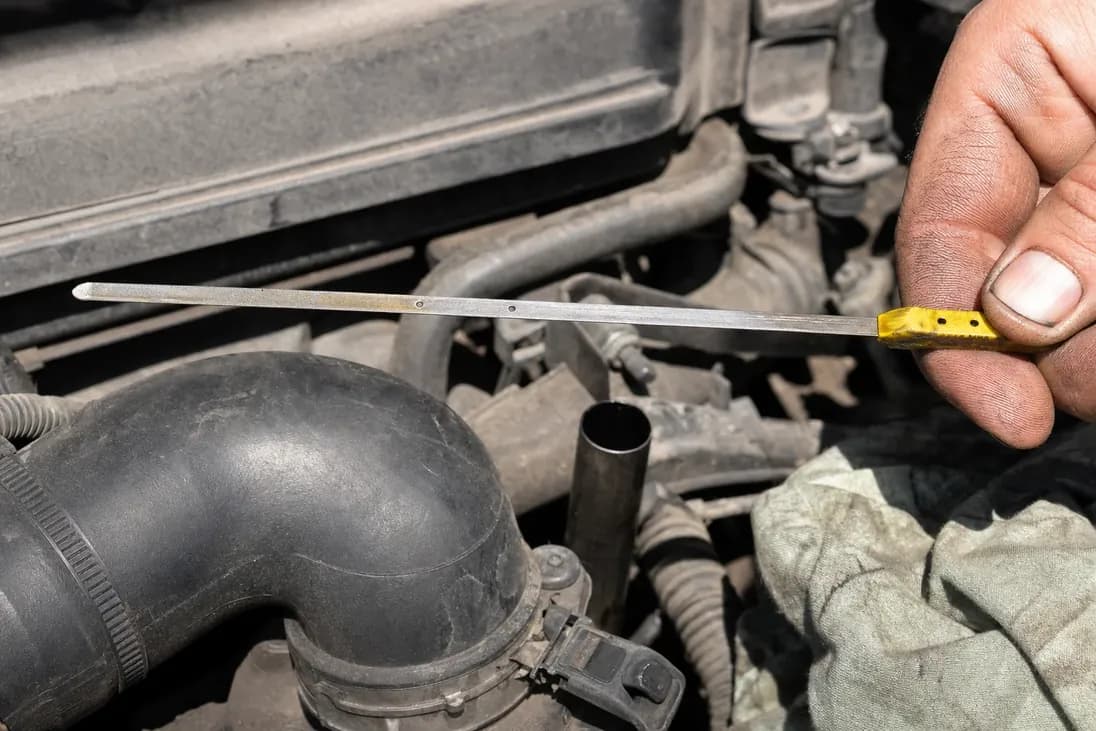
Before you check your car before a long drive, inspect the engine oil, coolant, brake fluid, transmission fluid where applicable, power steering fluid on hydraulic systems and windscreen washer fluid. Topping up or replacing fluids when required is one of the simplest ways to improve vehicle reliability.
| Fluid | Why It Matters |
|---|---|
| Engine Oil | Lubricates engine components and reduces wear. |
| Coolant | Helps prevent engine overheating. |
| Brake Fluid | Maintains braking performance. |
| Transmission Fluid | Supports smooth gear changes. |
| Power Steering Fluid | Maintains steering performance on hydraulic systems. |
| Washer Fluid | Keeps the windscreen clear for safe visibility. |
Test Your Battery Before Travelling
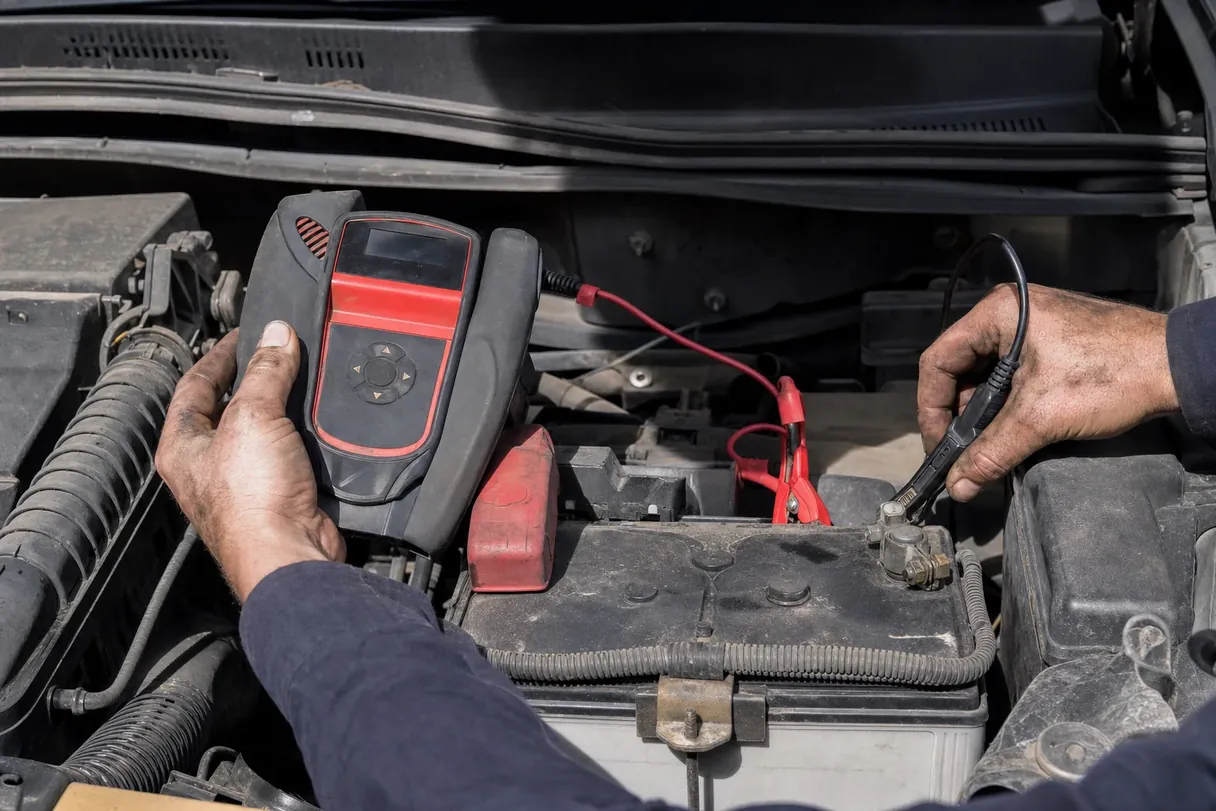
Your battery supplies the power needed to start the engine and operate many of your vehicle’s electrical systems. Although batteries often fail without much notice, there are usually warning signs that indicate declining performance. Including the battery in a car check before a long drive can help you avoid one of the most common causes of roadside assistance call-outs in Australia.
If your battery is more than a few years old or you’ve recently experienced slow engine cranking, it’s worth having it tested before you leave. Replacing a weak battery before it fails is usually much cheaper and more convenient than dealing with an unexpected breakdown during your trip.
Common Signs of a Weak Battery
- Slow engine cranking when starting.
- Dashboard battery warning light.
- Difficulty starting the vehicle.
- Dim headlights while starting.
- Electrical accessories behaving unusually.
If you notice any of these symptoms, arrange a professional battery test before setting off.
Inspect the Cooling System
The cooling system keeps your engine operating within its normal temperature range. During long highway drives, especially in warmer parts of Australia, this system works continuously to prevent overheating.
A proper car check before a long drive should include inspecting the radiator, coolant level and hoses for signs of wear or leaks. Even a small coolant leak can become a major problem after several hours behind the wheel.
Cooling System Components to Check
Before travelling, inspect the coolant reservoir, radiator hoses, hose clamps and the area beneath the vehicle for signs of leaking coolant. If coolant levels continue to drop or you notice staining around the radiator, have the system inspected before your trip.
Ignoring cooling system problems can lead to severe engine overheating, which is often one of the most expensive mechanical failures a driver can experience.
Make Sure Your Brakes Are Road Trip Ready
Your brakes are one of the most important safety systems on your vehicle. Whether you’re driving through city traffic, descending steep hills or travelling on country highways, reliable braking performance is essential.
When you check your car before a long drive, pay close attention to any changes in braking performance. Small problems often become worse with extended highway driving and should be addressed before you leave.
Signs Your Brakes Need Attention
Listen and feel for warning signs such as squealing, grinding, vibration through the brake pedal, increased stopping distance or the vehicle pulling to one side while braking. These symptoms may indicate worn brake pads, damaged rotors or hydraulic issues that require professional inspection.
If your vehicle is due for servicing, ask your mechanic to inspect the braking system before travelling. Reliable brakes improve both safety and driver confidence throughout your journey.
Check the Engine for Early Warning Signs
Your engine operates continuously throughout every trip, making it essential to identify any developing issues before travelling. Small mechanical problems can quickly become expensive repairs when the engine is placed under sustained load for several hours.
A thorough car check for a long drive should include a visual inspection around the engine bay as well as paying attention to how the vehicle performs during normal driving.
What to Look For
Inspect for oil leaks, damaged belts, cracked hoses, loose electrical connections and any warning lights on the dashboard. Also pay attention to unusual engine noises, rough idling or reduced performance, as these can indicate developing mechanical problems.
Repairing a small leak or replacing a worn belt before departure is generally far less expensive than repairing major engine damage following a roadside breakdown.
Inspect Suspension and Steering
Your suspension and steering systems help keep the vehicle stable, comfortable and predictable to drive. They also ensure the tyres maintain proper contact with the road, which improves braking and handling.
These components are sometimes overlooked during a car check before a long drive, yet worn suspension or steering parts can significantly affect vehicle control, particularly on uneven roads or during emergency manoeuvres.
Warning Signs to Watch For
Have your vehicle inspected if it pulls to one side, vibrates through the steering wheel, produces clunking noises over bumps or shows uneven tyre wear. These symptoms often indicate suspension or steering components that need attention.
Healthy suspension not only improves comfort but also helps reduce tyre wear and provides greater stability during long-distance travel.
Make Sure the Transmission Is Operating Smoothly
Your transmission should shift gears smoothly and consistently throughout your journey. Any hesitation, slipping or harsh gear changes may indicate a developing problem that should be inspected before travelling.
If your vehicle manufacturer recommends checking transmission fluid, include this as part of your car check before a long drive. Smooth transmission performance reduces unnecessary wear and helps your vehicle operate efficiently over long distances.
Check Your Windscreen, Wipers and Visibility
Clear visibility is essential for safe driving in all conditions. Dust, rain, insects and road grime can quickly reduce your ability to see hazards, particularly during long highway journeys or poor weather.
Before you complete a car check before a long drive, inspect your windscreen and wipers to ensure they provide a clear view of the road. Small issues that seem insignificant around town can become major safety concerns when travelling at higher speeds.
Inspect the Windscreen
Carefully examine the windscreen for chips, cracks or other damage. Small stone chips can often be repaired before they spread into larger cracks that require complete windscreen replacement. Also check that your mirrors are clean, securely mounted and correctly adjusted before setting off.
Test Wipers and Washer Fluid
Replace wiper blades if they streak, skip across the glass or leave areas uncleared. Fill the washer reservoir before travelling so you can remove dirt, insects and dust throughout your journey. Good visibility reduces driver fatigue and allows you to react more quickly to changing road conditions.
Test Every Exterior Light
Working lights help you see the road ahead while allowing other motorists to understand your intentions. They also help ensure your vehicle complies with Australian road rules.
A car check for a long drive should include testing every exterior light before you leave. A broken light is considered a significant safety hazard and traffic offence in Western Australia, which can warrant a defect notice from local police. Replacing a faulty globe takes only a few minutes and can significantly improve safety during early morning, night-time or wet-weather driving.
Check that the following lights are operating correctly:
- Low beam headlights.
- High beams.
- Brake lights.
- Tail lights.
- Indicators.
- Hazard lights.
- Reverse lights.
- Number plate lights.
If possible, ask someone to help you confirm the brake lights are working. Cleaning dirty light lenses will also improve brightness and visibility.
Pack Essential Safety Equipment
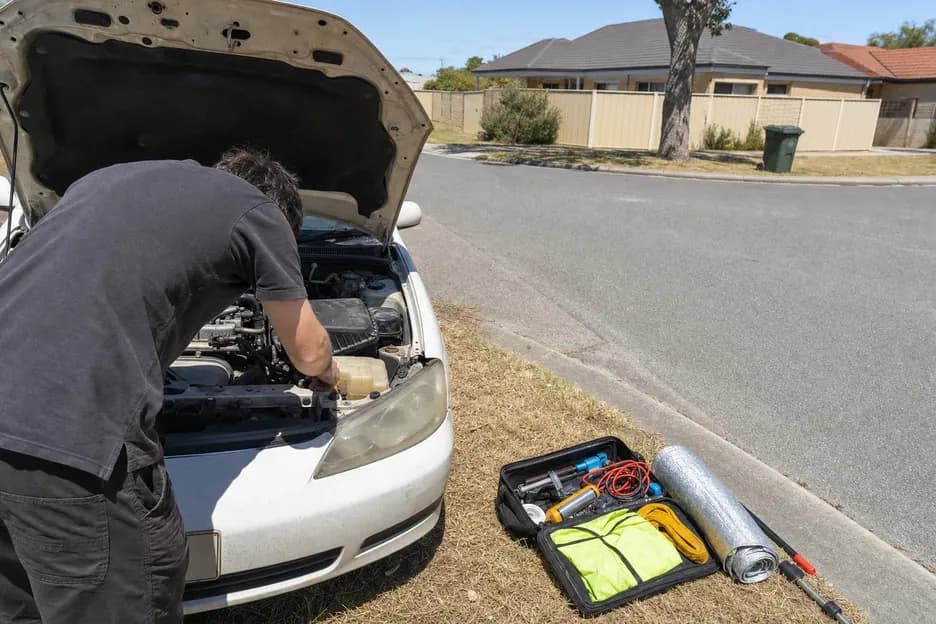
Even a well-maintained vehicle can experience unexpected problems. Carrying a small selection of emergency items can make waiting for assistance safer and more comfortable if your journey is interrupted.
Although these items may never be needed, having them available provides peace of mind, particularly when travelling through regional areas where help may take longer to arrive.
- First aid kit.
- High-visibility vest.
- Torch with spare batteries.
- Phone charger or power bank.
- Drinking water.
- Basic non-perishable snacks.
- Emergency blanket.
If you’re travelling with children or pets, consider packing any additional supplies they may need if your journey is unexpectedly delayed.
Review Your Roadside Assistance and Insurance
Preparing your vehicle is only one part of planning a successful trip. It’s equally important to understand what support is available if you experience an unexpected breakdown or accident.
As you check your car before a long drive, take a few minutes to review your roadside assistance membership and insurance policy. Knowing exactly what is covered before you leave can reduce stress if something unexpected happens.
Roadside Assistance
Confirm your membership is current and check whether your level of cover applies to the areas you intend to travel. If your journey includes regional or remote locations, make sure you understand any towing distance limits or exclusions that may apply.
Vehicle Insurance
Review your insurance policy to ensure it is active and that you understand your level of cover. Save important contact numbers on your phone before leaving so they are easy to access if you need assistance during your trip.
How a Car Check Before a Long Drive Can Save You Money
Many drivers think preventative maintenance is an unnecessary expense, but a few simple inspections often cost far less than repairing a vehicle after a breakdown. Spending time preparing your vehicle before travelling can help you avoid both financial costs and unnecessary delays.
The table below shows how preventative maintenance compares with the potential consequences of ignoring common vehicle checks.
| Preventative Maintenance | Potential Cost If Ignored |
|---|---|
| Replace worn tyres | Punctures, blowouts or suspension damage. |
| Test an ageing battery | Roadside breakdown and emergency battery replacement. |
| Top up coolant | Engine overheating and major repairs. |
| Inspect brakes | Brake component damage and reduced stopping performance. |
| Repair small leaks | Extensive engine or transmission damage. |
A thorough car check before a long drive helps reduce the likelihood of emergency towing, unexpected accommodation costs, missed travel plans and expensive mechanical repairs. Preventative maintenance protects both your vehicle and your travel budget.
Frequently Asked Questions
You should inspect your vehicle before every major road trip, even if it has recently been serviced. Tyre pressures, fluid levels, battery condition and lights can all change over time, making a quick inspection worthwhile before travelling.
There isn’t a single component that’s more important than the rest. Tyres, brakes, engine oil, coolant and the battery all play a significant role in keeping your vehicle safe and reliable during long-distance travel. Checking each of these systems provides the best protection against unexpected breakdowns.
Many basic inspections can be completed at home, including checking tyre pressures, fluid levels, lights and wiper blades. If you notice warning lights, fluid leaks, unusual noises or changes in vehicle performance, arrange a professional inspection before your trip.
Inspect your vehicle several days before you plan to leave. This gives you enough time to organise repairs or servicing if you discover any issues, rather than delaying your departure.
If it is safe to do so, move your vehicle off the road, switch on your hazard lights and keep yourself and your passengers away from moving traffic. Contact your roadside assistance provider or a professional towing company if the vehicle cannot be safely driven.
Before You Set Off
A car check before a long drive is one of the most effective ways to reduce the risk of breakdowns, improve safety and avoid unnecessary repair costs. Inspecting your tyres, battery, fluids, brakes, cooling system and other essential components before leaving gives you the best chance of enjoying a trouble-free journey.
Taking the time to complete a car check for a long drive also helps protect your travel plans. Identifying small issues before they become major mechanical failures can save money, reduce delays and provide greater confidence whether you’re travelling around Perth or exploring other parts of Australia.
If your vehicle does break down despite careful preparation, Quokka Towing is here to help. We provide fast, reliable and affordable towing services across Perth with safe and efficient transport whenever you need assistance. Our friendly and experienced team is available 24/7 to help get you and your vehicle to a safe destination. Contact us today if you require professional towing or roadside transport assistance.